

AN ACT TO AMEND TITLE 16 OF THE DELAWARE CODE RELATING TO THE DELAWARE LITTER CONTROL LAW.
Summary
This Act addresses the serious problem of individuals dumping large quantities of trash on public and private property, by: • Defining a “substantial quantity” of litter as being more than an amount contained in a standard garbage can. • Providing enhanced penalties for the unlawful dumping of a substantial quantity of litter. • Creating the Litter Investigation and Enforcement Fund (“LIEF”), funded through restitution paid by offenders of this chapter, to support investigations to identify those who violate this chapter. This Act clarifies that a public authority or agency is not required to provide litter receptacles in a park or recreation area that is designated as a carry-on and carry-out facility. This Act also makes technical corrections to conform existing law to the standards of the Delaware Legislative Drafting Manual. This Substitute to Senate Bill No. 5 makes the following changes: • Clearly labels “littering” as a category of unlawful activity distinct from “dumping.” • Adds State parks, State forestry areas, State fish and wildlife areas, federal wildlife refuges, and lands within the State that are administered by the U.S. Department of Interior, National Park Service, to the list of areas that trigger enhanced penalties. • Establishes LIEF as a subaccount to the already-existing Special Law Enforcement Assistance Fund (“SLEAF”) under Subchapter II, Chapter 41, Title 11. • Requires disbursement of LIEF funds to follow the disbursement procedures already established for SLEAF. • Clarifies that the voluntary assessment alternative applies only to littering offenses. The penalty for dumping includes a mandatory community service obligation, so voluntary assessment cannot apply to dumping. • Updates language to allow courts to accept methods other than check or money order to make payments under this Act.
Bill status
signed
all 5 stages cleared
Introduction
Mar 2019
Committee Review
Mar 2019
Senate Passage
Mar 2019
House Passage
Jun 2019
Signed into Law
Jul 2019
Introduced Mar 12, 2019
Signed Jul 29, 2019
Floor votes · House Jun 26, 2019
How they voted
This bill passed the Senate by voice vote (no roll call recorded).
Full legislative history
Actions timeline
Total actions
8
Key actions
5
Committee
1
Amendments
2
Jul 29, 2019
Signed into law
Signed by Governor
executive
Jun 26, 2019
Lower · Passed
Passed By House. Votes: 41 YES
lower
Mar 27, 2019
Lower · Passed
Reported Out of Committee (Natural Resources) in House with 1 Favorable, 5 On Its Merits
lower
Mar 19, 2019
Introduced
Assigned to Natural Resources Committee in House
lower
Mar 14, 2019
Upper · Passed
Passed By Senate. Votes: 17 YES 4 ABSENT
upper
Mar 14, 2019
Upper · Passed
Amendment SA 1 to SS 1 - Passed By Senate. Votes: 17 YES 4 ABSENT
upper
Mar 13, 2019
Introduced
Amendment SA 1 to SS 1 - Introduced and Placed With Bill
upper
Mar 12, 2019
Introduced
was introduced and adopted in lieu of SB 5
upper
2 primary · 13 co-sponsors
Sponsors
Role
Legislator
Party
State
District
P
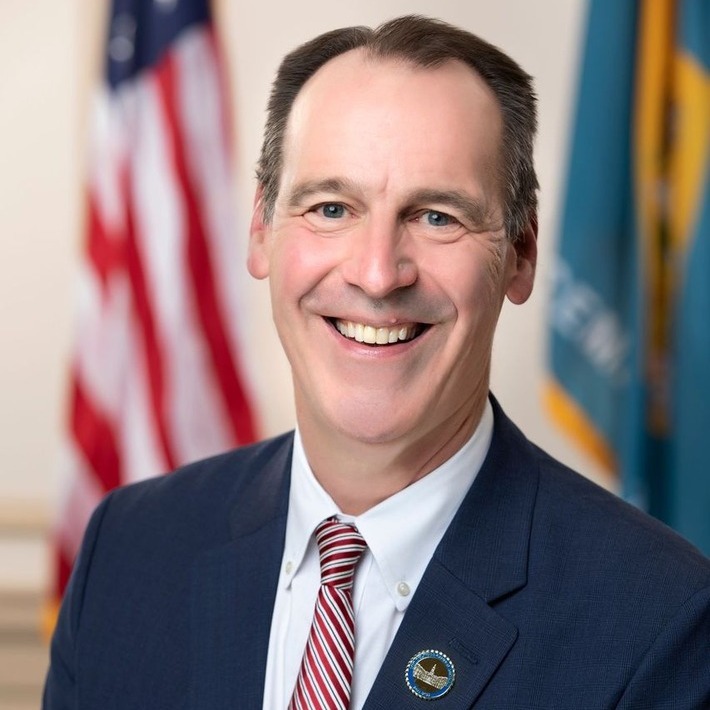
Kevin Hensley
RRepublican
P

Stephanie Hansen
DDemocratic
Co

Bryant Richardson
RRepublican
Co
CC
Catherine Cloutier
RRepublican
Co
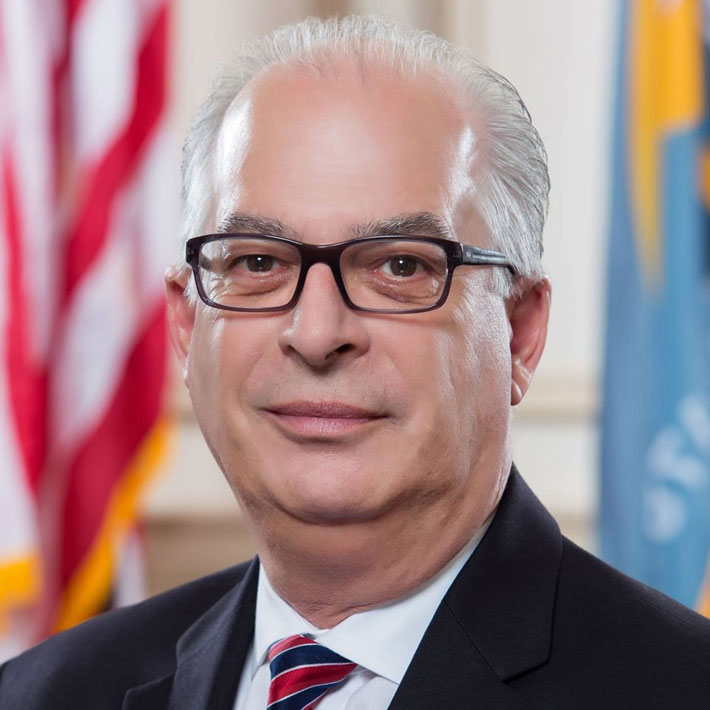
Danny Short
RRepublican
Co
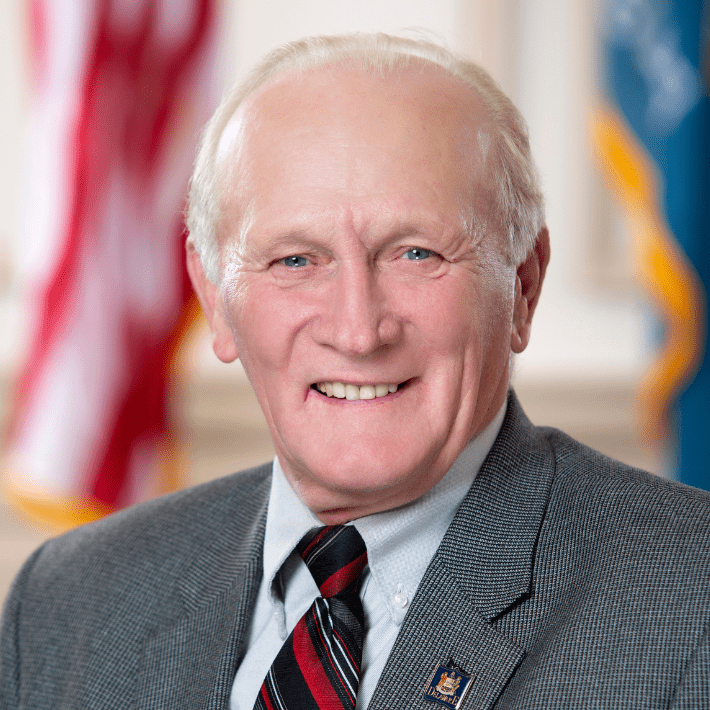
Dave Wilson
RRepublican
Co
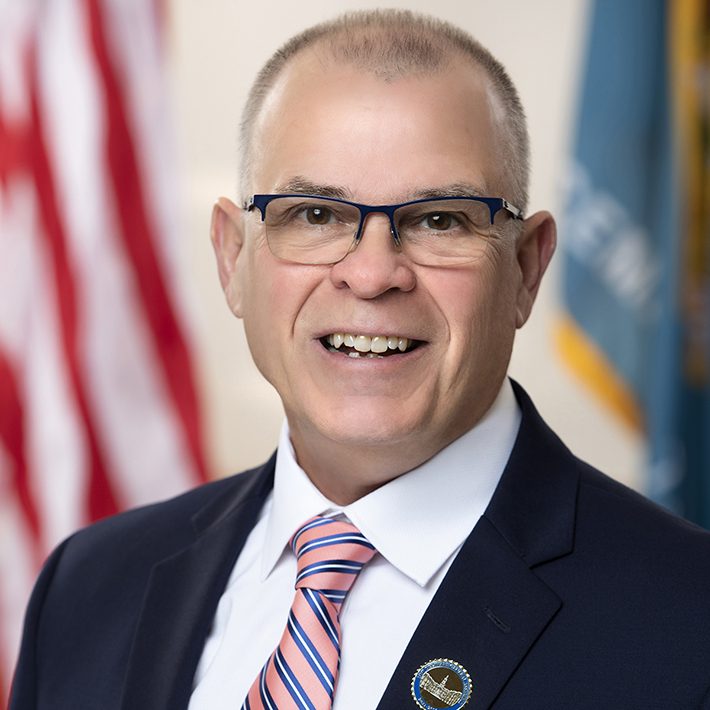
Ed Osienski
DDemocratic
Co
GL
Gerald L. Brady
DDemocratic
Co
Mike Smith
RRepublican
Co
Raymond Seigfried
DDemocratic
Co
Rich Collins
RRepublican
Co
Ron Gray
RRepublican

Ask Maddy
·
AI policy assistant
Ask Maddy about SB 5
Scope: DE
Hi! I can help you understand SB 5. What would you like to know?
Try one of these
i
Maddy answers using official bill text and legislative records. Always verify before sharing.
Sources cited inline