

AN ACT TO AMEND TITLE 11 OF THE DELAWARE CODE RELATING TO THE EGREGIOUS CRIMES ACCOUNTABILITY ACT.
Summary
This act will be known as the Egregious Crimes Accountability Act. This Act revises Delaware's death penalty statute to ensure its compliance with the United States Constitution, as interpreted by the United State Supreme Court in Hurst v. Florida, and by the Delaware Supreme Court in Rauf v. State. In accord with those cases, this Act will require that before a death sentence can be imposed, a jury (unless the Defendant waives their right to one) must first determine unanimously and beyond a reasonable doubt: that at least 1 statutory aggravating circumstance exists; which (if any) statutory and non-statutory aggravating circumstances alleged by the State exist; and whether all of the aggravating circumstances found to exist outweigh all of the mitigating circumstances found to exist. This Act also revises Delaware's death penalty statute to comply with the United State Supreme Court's holding in Hall v. Florida, interpreting standards set forth in Atkins v. Virginia. This Act adopts the term "intellectual disability" used by the United State Supreme Court. This Act recognizes developing trends in death penalty jurisprudence and the American Bar Association's Resolution 122A (2006), of August 8, 2006, by prohibiting the imposition of the death penalty upon a person who has been found "guilty, but mentally ill", as defined by Title 11 § 401. This Act also limits the statutory aggravating circumstances to four aggravating circumstances: 1. Mass Murder: The defendant’s course of conduct resulted in the deaths of 3 or more persons where the deaths occurred in a place of public use and the deaths are the probable consequence of the defendant’s conduct. The threshold number of 3 deaths is consistent with the federal definition. 28 U.S.C. § 530C. 2. Repeat Offender: The defendant was previously convicted of another murder. 3. Horribly Inhumane: The murder was outrageously or wantonly vile, horrible or inhuman in that it involved torture, depravity of mind, use of an explosive device, weapon of mass destruction, or poison or the defendant used such means on the victim prior to murdering the victim. 4. Hate Crimes: The murder was committed for the purpose of committing a hate crime. Hate crime is defined in Title 11, § 1304.
Bill status
in committee
1 of 4 stages cleared
Introduction
Mar 2020
Committee Review
Floor Vote
Governor
Introduced Mar 12, 2020
Last action Mar 12, 2020
Floor votes
How they voted
No floor votes recorded yet.
Full legislative history
Actions timeline
Total actions
1
Key actions
0
Committee
0
Mar 12, 2020
Introduced
Introduced and Assigned to Judiciary Committee in House
lower
3 primary · 9 co-sponsors
Sponsors
Role
Legislator
Party
State
District
P

Danny Short
RRepublican
P
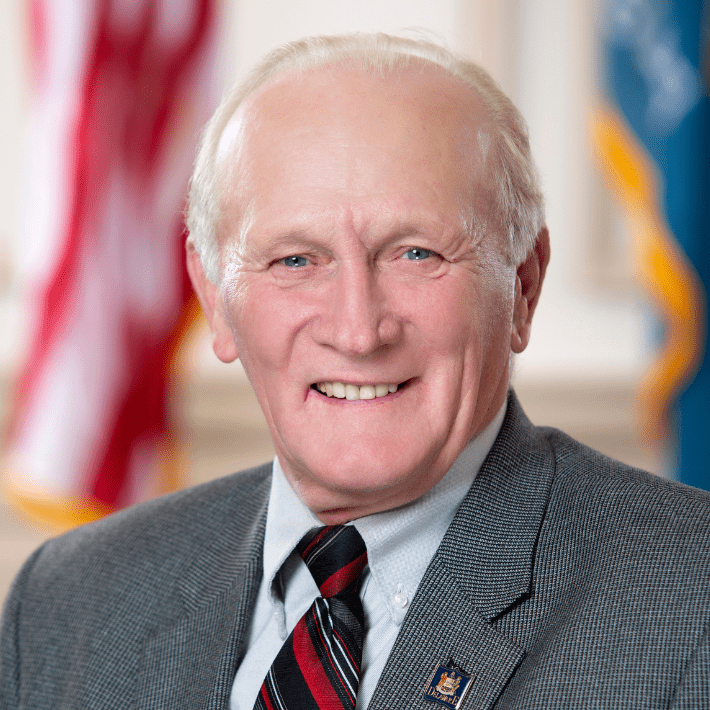
Dave Wilson
RRepublican
P
SS
Stephen Smyk
RRepublican
Co

Bill Carson
DDemocratic
Co

Brian Pettyjohn
RRepublican
Co
BC
Bruce C. Ennis
DDemocratic
Co

Jeff Spiegelman
RRepublican
Co

Jesse Vanderwende
RRepublican
Co

Lyndon Yearick
RRepublican
Co

Ron Gray
RRepublican
Co

Shannon Morris
RRepublican
Co

Tim Dukes
RRepublican
Ask Maddy
·
AI policy assistant
Ask Maddy about HB 299
Scope: DE
Hi! I can help you understand HB 299. What would you like to know?
Try one of these
i
Maddy answers using official bill text and legislative records. Always verify before sharing.
Sources cited inline