SB 9 Connecticut Senate · 2026 Regular Session

AN ACT SUPPORTING COMMUTERS AND MICROTRANSIT SERVICES AND CONCERNING PUBLIC TRANSPORTATION.

SB 9 provides a tax credit for Connecticut businesses with 100 or more employees in federally designated "severe nonattainment" air quality areas (as defined by the Clean Air Act). The credit covers 50% of eligible spending on commuting programs that reduce single-occupancy vehicle trips, including public transportation, carpooling, or microtransit services, up to $250 per employee annually, with a total annual cap of $1.5 million. Businesses must submit a plan to the state transportation department detailing how they will implement these programs to qualify for the credit.
Bill status signed all 5 stages cleared
Introduction
Feb 2026
Committee Review
Apr 2026
Senate Passage
May 2026
House Passage
May 2026
Signed into Law
May 2026
Introduced Feb 4, 2026 Signed May 27, 2026
Maddy AI version diff · 2 comparisons

What changed between versions

Committee Bill TRA Joint Favorable Substitute · 8 edits
MODERATE
The bill was rewritten to modernize the commuter tax credit program, shifting from a credit based on total spending to one based on the *increase* in spending year-over-year. It also updated the program's effective date to January 1, 2027, and added a new three-year pilot program for microtransit services in rural areas with dedicated funding.
Scope change
The bill's scope expanded to include a new microtransit pilot program and updated eligibility criteria for the commuter tax credit to require employers to provide specific qualified benefits.
TIMELINE

The effective date for the commuter tax credit was moved from January 1, 2026, to January 1, 2027.

ELIGIBILITY

Tax credit eligibility now requires employers to provide specific qualified commuter benefits (like transit passes or carpooling) rather than just participating in a general traffic reduction program.

REQUIREMENT

The tax credit calculation changed from 50% of total spending to 50% of the *increase* in spending compared to the previous year, preventing credits for maintaining existing benefit levels.

Older requirements tied to the Clean Air Act and specific 'severe nonattainment areas' were removed from the commuter tax credit section.

SCOPE

A new three-year pilot program was added to test microtransit services in rural areas not currently served by public transportation.

FISCAL

New funding of $10.5 million was appropriated for the new microtransit pilot program.

DEFINITION

New definitions were added for 'eligible employer,' 'qualified commuter transportation benefit,' and 'participating employee' to clarify who qualifies for the tax credit.

The definition of an 'employee' for the commuter tax credit was updated to require at least 20 hours per week of work in the state.

Floor votes · Senate May 1, 2026 · House May 4, 2026

How they voted

350
Passed · 1 other
Total votes 36
May 1, 2026
D Democratic25
24 Yea 1
96% Yea
R Republican11
11 Yea
100% Yea
Vote distribution
All Yea All Nay Mixed No data
Full legislative history

Actions timeline

Total actions
40
Key actions
12
Committee
8
Amendments
3
May 27, 2026
Signed into law
SIGNED BY GOVERNOR
upper
May 4, 2026
Lower · Passed
HOUSE PASSED, SEN. AMEND. SCH. A,B
lower
May 4, 2026
Lower · Passed
HOUSE ADOPTED SEN. AMEND. SCH. A,B
lower
May 1, 2026
Upper · Passed
SEN. PASSED, SEN. AMEND. SCH. A,B
upper
May 1, 2026
Upper · Passed
SEN. ADOPTED SEN. AMEND. SCH. B
upper
Apr 27, 2026
Upper · Passed
Joint Favorable
upper
Apr 21, 2026
Upper · Passed
IMMEDIATE TRANSMITTAL TO COMMITTEE
upper
Apr 17, 2026
Upper · Passed
Joint Favorable
upper
Apr 15, 2026
Upper · Passed
IMMEDIATE TRANSMITTAL TO COMMITTEE
upper
Apr 15, 2026
Upper · Passed
SEN. ADOPTED SEN. AMEND. SCH. A
upper
Mar 16, 2026
Upper · Passed
Joint Favorable Substitute
upper
Feb 18, 2026
Committee
REF. TO JOINT COMM. ON Transportation
upper
Feb 17, 2026
Upper · Passed
DRAFTED BY COMMITTEE
upper
Feb 4, 2026
Committee
REF. TO JOINT COMM. ON Transportation
upper
40 primary · 0 co-sponsors

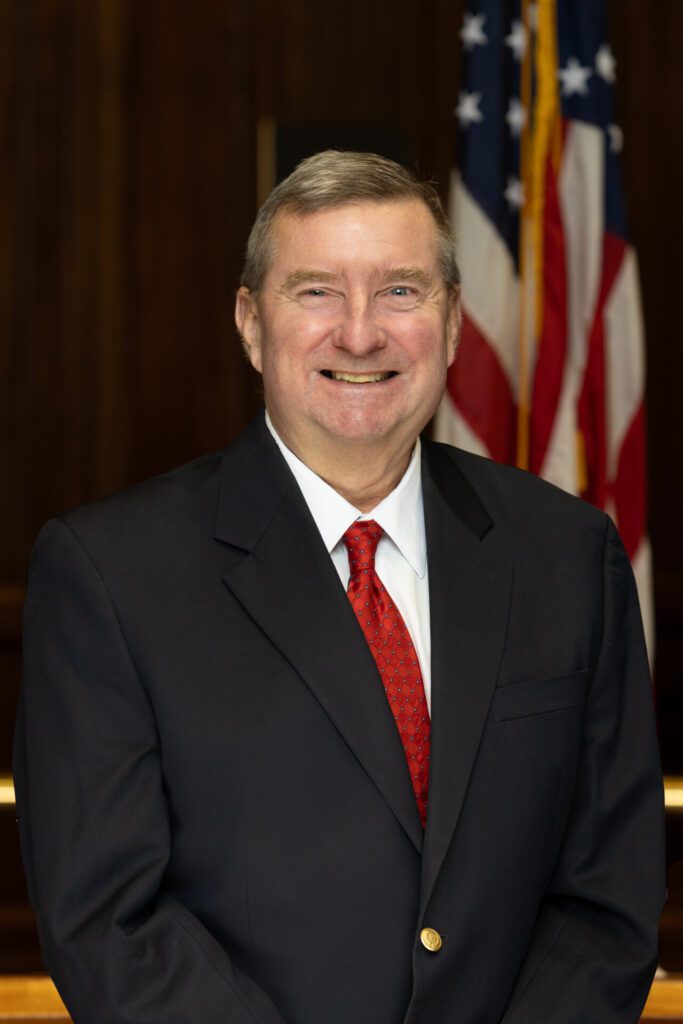
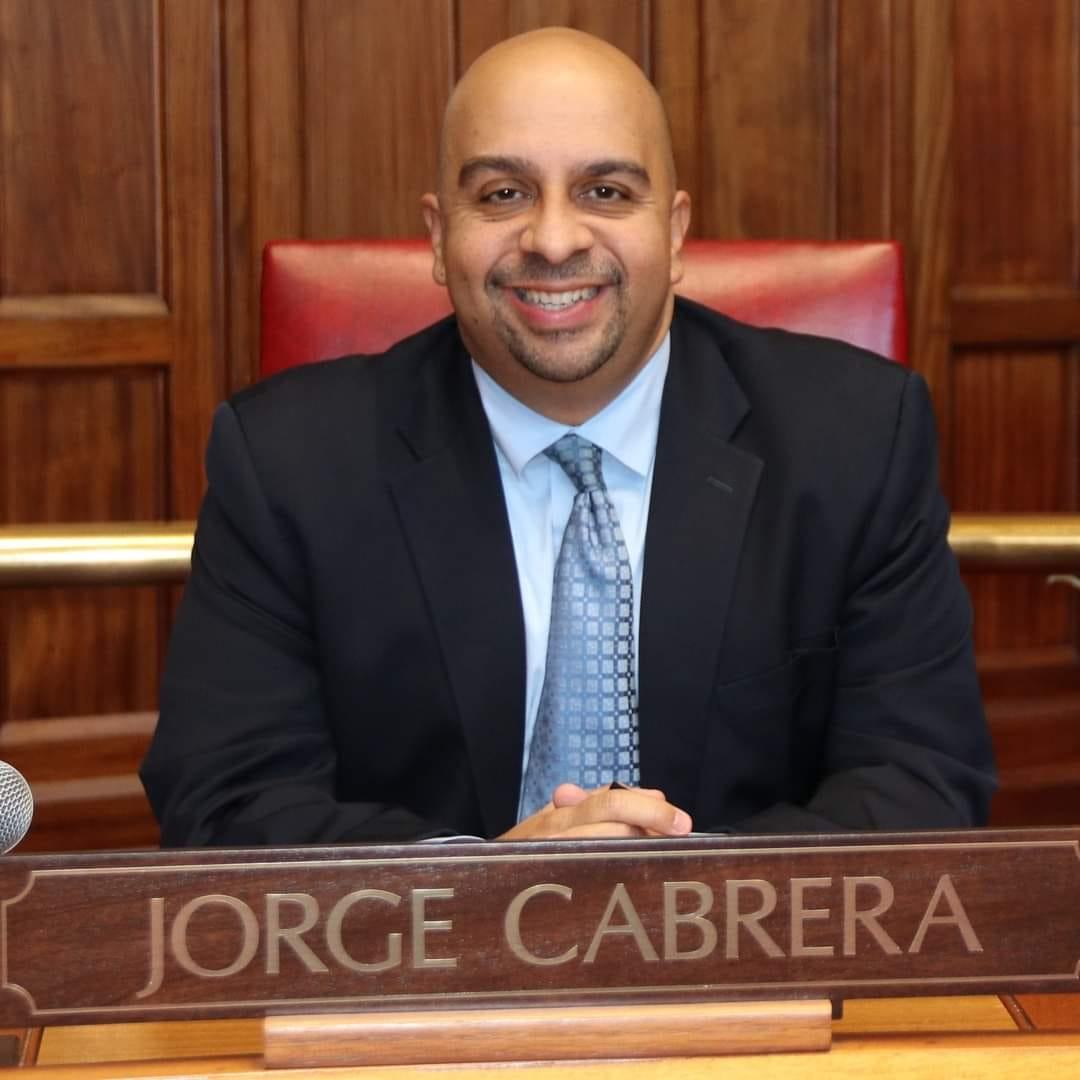
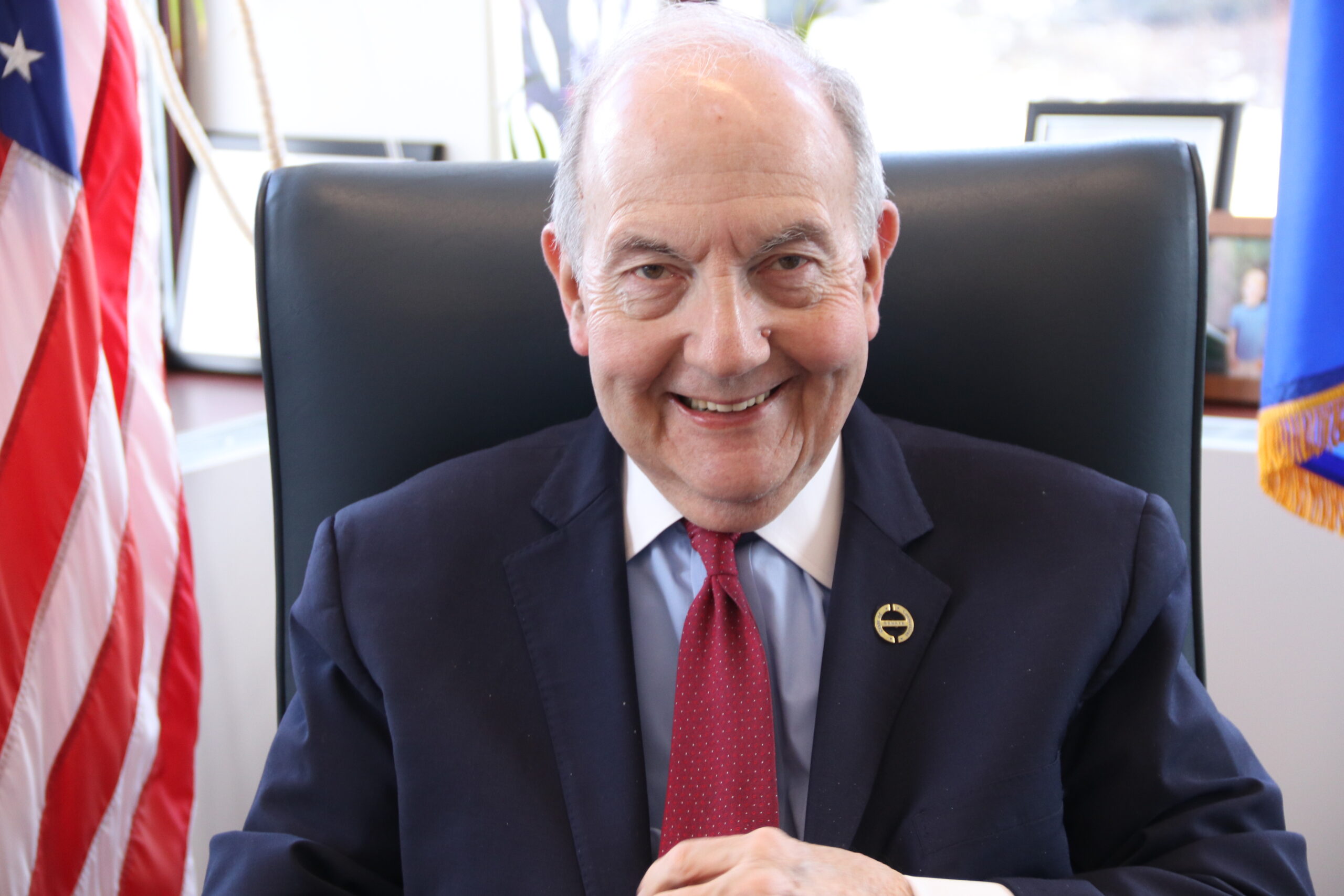
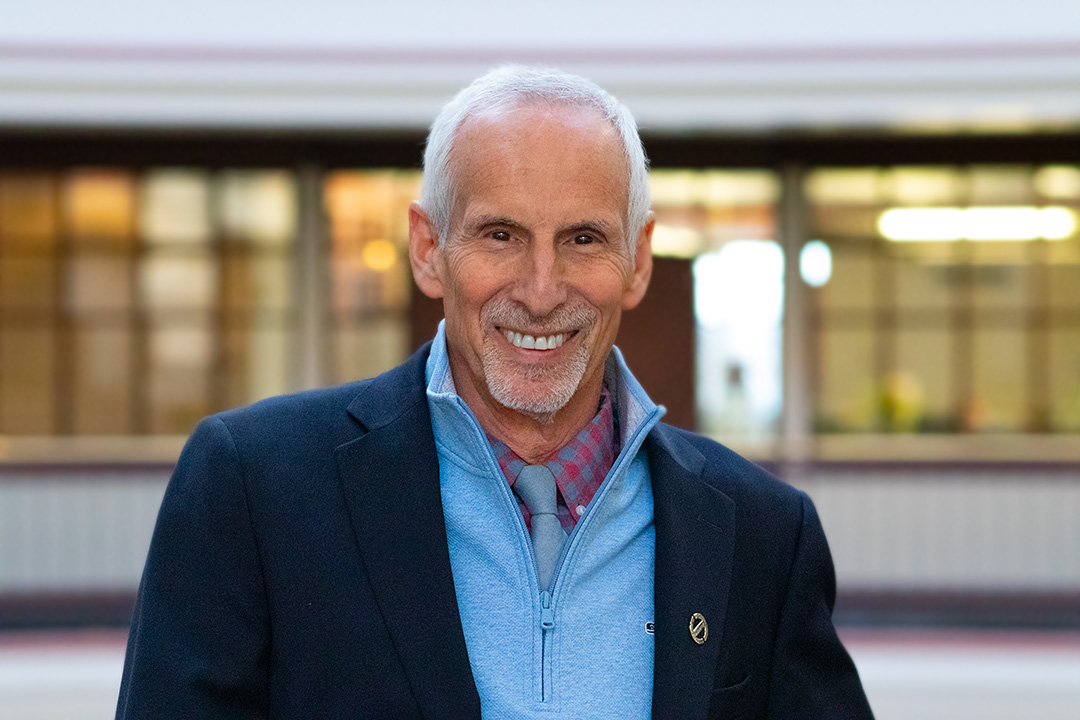
Sponsors