SB 40 Colorado Senate · 2026 Regular Session

Affordable Home Ownership Program

Summary
The division of housing in the department of local affairs (division) administers an affordable home ownership program (program) that makes grants to nonprofit organizations, local governments, community development financial institutions, and community land trusts (eligible organizations) and tribal governments to support affordable home ownership, including the development of residential housing units that are described in an eligible organization's funding request (project). Current law specifies that only a household with an income less than or equal to 120% of the area median income is eligible for assistance through the program, but it is unclear whether this requirement applies to housing units constructed by an eligible organization through one of its projects. The act clarifies that only a household with an income less than or equal to either 120% of the area median income of households of that size in the jurisdiction of a local government in which the households are located, or 120% of the statewide area median income of households of that size, is eligible for housing constructed by an eligible organization through one of its projects.     In addition, the act requires the program to offer housing that costs not more than 38% of a household's monthly income unless the ownership program is providing a homeowner with assistance for home rehabilitation.     The act also requires the program to offer grants and loans to groups or associations of mobile home owners and their assignees to support affordable homeownership for households with income less than or equal to 120% of the area median income of households of that size in the territory or jurisdiction of the local government in which the households are located, and specifies that the monthly housing payment must not cost more than 35% of the monthly household income. The act allows the division to modify the maximum percentage of income that a household may allocate pursuant to the program as applied to a residential unit constructed by an eligible organization as part of an affordable housing project pursuant to a waiver process initiated by an eligible organization if a substantial need for housing the project's target population exists, the unit has been adequately marketed to eligible buyers for purchase for at least 6 months after final completion of the unit, and the unit has not been purchased by an eligible buyer within that 6-month period.     For grants from the program to support tribal government programs, the tribe is responsible for establishing limitations on household income and maximum percentage of income that a household may allocate for monthly housing costs and a tribal affordability mechanism in lieu of any state-prescribed use covenant. The tribe shall submit evidence to the division that it has satisfied these requirements but is not required to disclose confidential tribal data, including the specific limitations or mechanisms it sets.     The division also administers a land banking program (land banking program) that makes grants to local and tribal governments and loans to nonprofits to acquire and preserve land for the development of affordable housing. For grants made to local governments or loans to nonprofits, the development of affordable housing includes rental housing projects with an imputed income limit by household size not to exceed 60% of area median income. Regulated units in the project must have a gross rent limit that does not exceed 30% of the imputed income limitation applicable to the units. Current law requires that a project provide for-sale housing that may be purchased by a household with an annual income of 100% of area median income. The act changes the income limit to 120% of area median income. For land banking program grants to support tribal government programs, the tribe is required to establish income limits by household size and gross rent limits and is not required to use the limits otherwise required for eligible organizations. The tribal government is required to submit evidence that it has established income and gross rent limits but is not required to disclose confidential tribal data, including what the specific limitations are.     The division may issue a waiver with housing cost limits that are different from those requested by an eligible organization if different housing cost limits would better serve needs identified in the community, the project remains financially feasible, and there are eligible buyers that meet the division's requirements. Alternatively, the division may modify the total amount of funding to account for an increase in the sales price of the unit. In lieu of this process, the division may approve an eligible organization's process for determining when to exceed the maximum monthly household income for a unit funded by the program, which shall not require a 6-month marketing period.     The division may allow an eligible organization to rent residential units constructed as part of the project. On or before December 31, 2026, the division is required to issue guidance for when units within a project may be rented and develop a process by which rented units may return to the for-sale market. A homeowner may rent a unit funded by the ownership program as long as the unit remains their primary residence.(Note: This summary applies to this bill as enacted.)
Bill status signed all 5 stages cleared
Introduction
Jan 2026
Committee Review
Apr 2026
Senate Passage
Apr 2026
House Passage
Apr 2026
Signed into Law
May 2026
Introduced Jan 27, 2026 Signed May 6, 2026
Maddy AI version diff · 5 comparisons

What changed between versions

Rerevised Final Act · 6 edits · Apr 27, 2026
MODERATE
The bill was reorganized to include a 'Final Act' signature page and updated sponsor lists. Substantively, the text was restructured to clarify the creation of a new 'affordable housing support fund' and to define specific rules for land banking programs, including income limits, rent caps, and loan forgiveness timelines for tribal and local governments.
Scope change
The bill's scope was clarified to explicitly separate the administration of funds between the division of housing and the division of local government, and to establish specific requirements for tribal governments participating in land banking programs.
FISCAL

Added explicit language creating a new 'affordable housing support fund' in the state treasury and defining how money within it is continuously appropriated.

ELIGIBILITY

Clarified that housing units must be affordable to households earning at or below 120% of the area median income.

REQUIREMENT

Added specific requirements for tribal governments to establish their own income and rent limits for land banking grants while protecting confidential tribal data.

Established a timeline for loan forgiveness in land banking programs, requiring loans to be forgiven if land is developed within 5 years or 10 years respectively.

DEFINITION

Added a definition for 'affordable housing' in the context of land banking, specifying it includes rental housing with designated income and rent limits.

TECHNICAL

Removed the original bill summary and introductory text that explained the bill's purpose, as this information is now embedded in the statutory text.

Floor votes

How they voted

This bill passed the Senate by voice vote (no roll call recorded).
Full legislative history

Actions timeline

Total actions
33
Key actions
7
Committee
2
Amendments
1
May 6, 2026
Signed into law
Governor Signed
executive
Apr 27, 2026
Lower · Passed
Signed by the Speaker of the House
lower
Apr 27, 2026
Upper · Passed
Signed by the President of the Senate
upper
Apr 23, 2026
Introduced
Senate Considered House Amendments - Result was to Concur - Repass
upper
Apr 21, 2026
Lower · Passed
House Third Reading Passed with Amendments - Floor
lower
Apr 14, 2026
Lower · Passed
House Committee on Transportation, Housing & Local Government Refer Amended to House Committee of the Whole
lower
Mar 31, 2026
Introduced
Introduced In House - Assigned to Transportation, Housing & Local Government
lower
Mar 31, 2026
Upper · Passed
Senate Third Reading Passed - No Amendments
upper
Feb 26, 2026
Upper · Passed
Senate Committee on Local Government & Housing Refer Amended to Senate Committee of the Whole
upper
Jan 27, 2026
Introduced
Introduced In Senate - Assigned to Local Government & Housing
upper
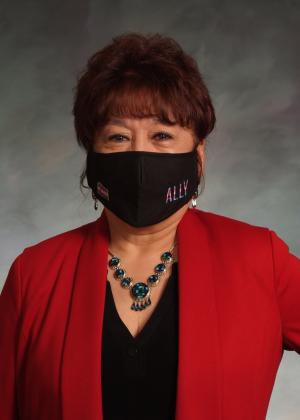
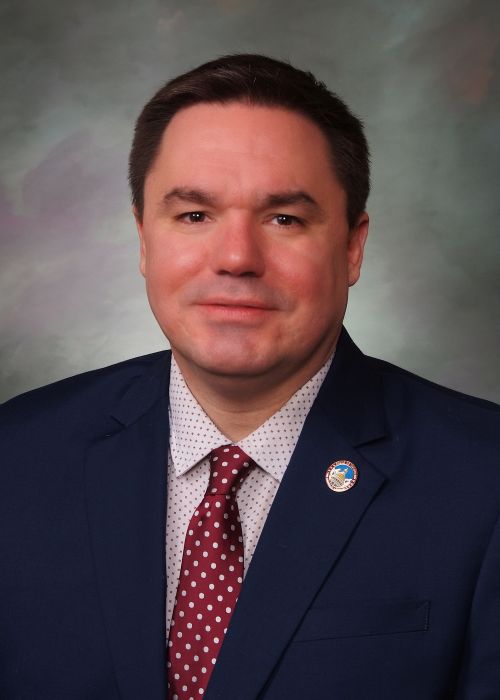
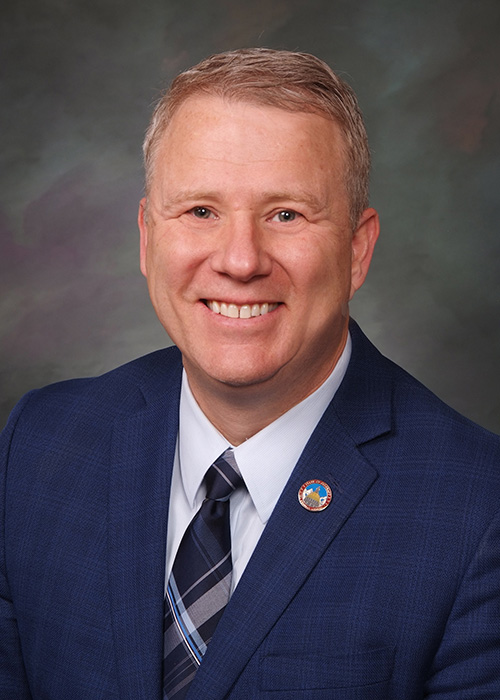
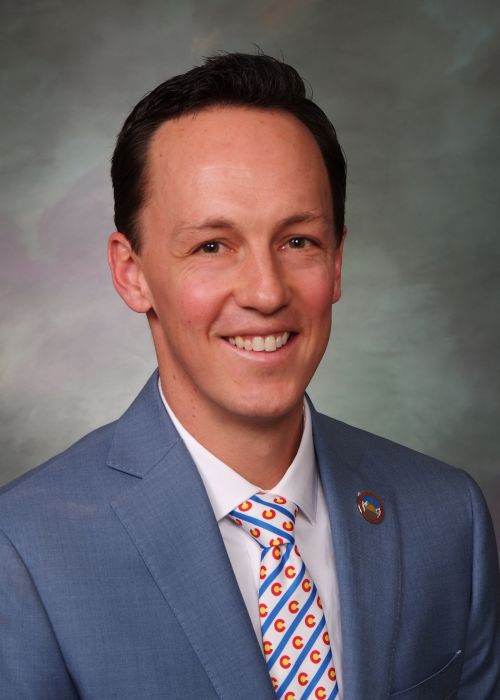
4 primary · 45 co-sponsors

Sponsors