SB 190 Colorado Senate · 2026 Regular Session

Release Information About Peace Officer Use of Force

Summary
The act clarifies that video and audio recordings (recordings) depicting an incident of a peace officer's use of force that resulted in death (incident) must be provided to the decedent's immediate family within 21 days after the incident regardless of whether there is a complaint of peace officer misconduct for the incident.     The act requires the multi-agency team investigating the incident or the law enforcement agency that employs the peace officer who used force in the incident to notify the decedent's immediate family about the multi-agency team investigation into the incident within 24 hours after the scene of the incident is cleared. The notification must include the names of the law enforcement agencies that comprise the multi-agency investigating team and the status of the investigation.     The act prohibits a peace officer participating in the investigation of a criminal matter involving an incident from making an extrajudicial statement on behalf of a law enforcement agency that the peace officer knows or reasonably should know will be disseminated by means of public communication and will have a substantial likelihood of materially prejudicing an adjudicative proceeding on the matter. Video of an incident produced for purposes of a community or critical incident briefing must include certain disclaimers, and narration or commentary must be limited to the facts of the incident.(Note: This summary applies to this bill as enacted.)
Bill status signed all 5 stages cleared
Introduction
May 2026
Committee Review
May 2026
Senate Passage
May 2026
House Passage
May 2026
Signed into Law
Jun 2026
Introduced May 4, 2026 Signed Jun 3, 2026
Maddy AI version diff · 5 comparisons

What changed between versions

Rerevised Final Act · 6 edits · May 21, 2026
MODERATE
The bill was amended to expand the definition of 'immediate family' to include stepparents, siblings, legal guardians, significant others, and lawful representatives, ensuring a broader group of loved ones can access incident recordings. The text clarifies that recordings must be released to the public after a 21-day hold period, but explicitly exempts the release of recordings depicting a death to the immediate family once an internal investigation, multi-agency team review, and criminal case are complete. The bill also updates the legislative declaration to emphasize the family's compelling interest in timely information while maintaining transparency.
Scope change
The bill's applicability was broadened by redefining who qualifies as 'immediate family' to include a wider range of relationships beyond just spouses and children, and by clarifying the specific conditions under which recordings of fatal incidents are released to that family versus the general public.
DEFINITION

Expanded the definition of 'Decedent's Immediate Family' to include stepparents, siblings, legal guardians, significant others, and lawful representatives, whereas the previous version only listed spouse, child, stepchild, parent, and lawful representative.

Added a specific definition for 'Significant Other' as a person in a family-type living arrangement who would be considered a spouse if married.

Added a specific definition for 'Lawful Representative' as a person designated by the decedent or appointed by the court to act in their best interests.

REQUIREMENT

Clarified that video and audio recordings of incidents resulting in death must be released to the decedent's immediate family and their designated representative only after the completion of an internal investigation, a multi-agency team review, and any associated criminal case, overriding previous public release requirements for these specific records.

Reaffirmed that for incidents not resulting in death, recordings must be released to the public upon request within 21 days, but for incidents resulting in death, the release to the public is delayed until the 21-day period expires and all investigations are complete.

TECHNICAL

Corrected formatting and numbering inconsistencies in the definitions section and legislative declaration to align with standard statutory structure.

Floor votes · House May 13, 2026

How they voted

This bill passed the Senate by voice vote (no roll call recorded).
Full legislative history

Actions timeline

Total actions
13
Key actions
7
Committee
2
Jun 3, 2026
Signed into law
Governor Signed
executive
May 22, 2026
Lower · Passed
Signed by the Speaker of the House
lower
May 22, 2026
Upper · Passed
Signed by the President of the Senate
upper
May 13, 2026
Lower · Passed
House Third Reading Passed - No Amendments
lower
May 11, 2026
Lower · Passed
House Committee on Judiciary Refer Unamended to House Committee of the Whole
lower
May 11, 2026
Introduced
Introduced In House - Assigned to Judiciary
lower
May 11, 2026
Upper · Passed
Senate Third Reading Passed with Amendments - Floor
upper
May 5, 2026
Upper · Passed
Senate Committee on State, Veterans, & Military Affairs Refer Amended to Senate Committee of the Whole
upper
May 4, 2026
Introduced
Introduced In Senate - Assigned to State, Veterans, & Military Affairs
upper
4 primary · 22 co-sponsors

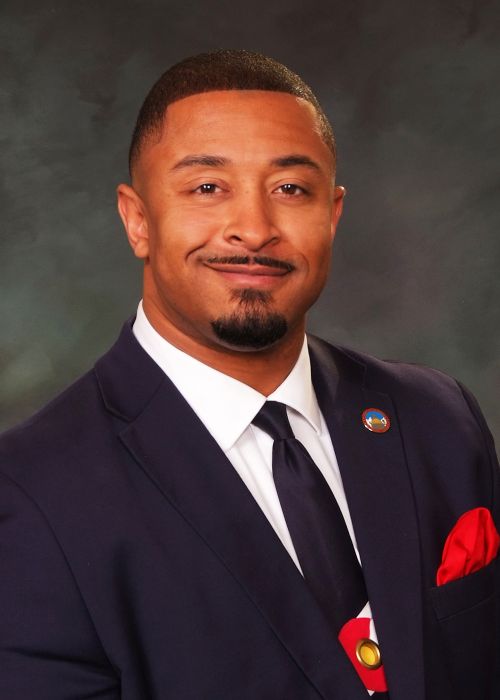
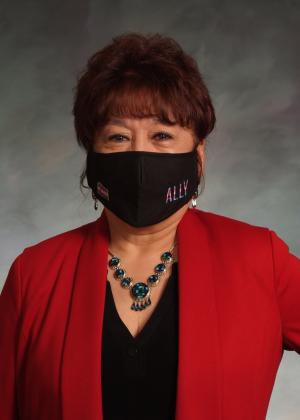
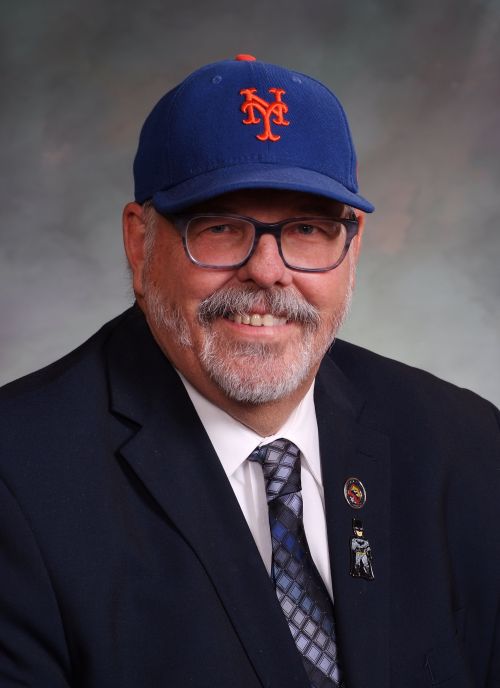
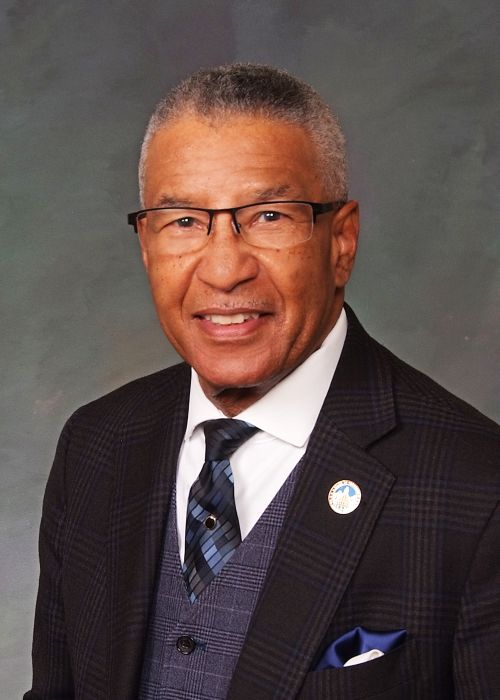
Sponsors