

Wildlife Collision Prevention
Summary
Beginning on January 1, 2027, the act authorizes an optional collision prevention fee (fee), which is collected at the time of registration of a passenger motor vehicle, light-weight truck, motorcycle, or recreational vehicle (motor vehicle). An individual may decline to pay the fee when registering a motor vehicle, and nonpayment of the fee does not affect the individual's ability to register the motor vehicle. In connection with imposing the fee, the statewide bridge and tunnel enterprise (enterprise) within the department of transportation (department) is required to collaborate with:The department of revenue and county clerks to develop language to notify individuals about the fee, including explicit language regarding the ability to decline to pay the fee and the fact that nonpayment of the fee will not affect an individual's ability to register a motor vehicle; andThe department of revenue, the department, county clerks, the division of parks and wildlife, and other impacted stakeholders to conduct a public outreach campaign to educate the public about the fee and what benefits the fee will provide. The enterprise is required to initiate the public outreach campaign as soon as practicable and must develop and deliver customer-facing educational materials to county clerks on or before December 1, 2026.The fee amount is set at $5 and, beginning in state fiscal year 2028-29, the enterprise is allowed to adjust this fee amount upward for inflation. 75% of the revenue from the fee is credited to the newly created collision prevention fund (fund), which is continuously appropriated to the enterprise for use in the following ways:To fund wildlife safe passage projects, defined as one or more projects that reduce wildlife-vehicle collisions and improve habitat connectivity by providing wildlife road crossings;To provide matching money as required by federal grant programs relating to wildlife safe passage projects; To expend for administrative and personnel expenses related to those purposes; andTo promote the fee and fund to maximize participation in the optional fee, in collaboration with the department of revenue, impacted stakeholders, and interested organizations.In determining which wildlife safe passage projects the enterprise will undertake, the enterprise is required to:Consult with the division of parks and wildlife (division) and the Colorado wildlife and transportation alliance;Consult with the tribal government if the project is on or adjacent to tribal land;Consult with relevant local governments with jurisdiction over the area of the proposed project and any relevant local organizations engaging in work to reduce vehicle collisions;Consider studies concerning the prioritization of wildlife within the state;Consider whether the wildlife safe passage project is related to a bridge or tunnel project undertaken by the enterprise; andIn consultation with the division, consider opportunities for landowner agreements or additional conservation efforts that may be necessary to ensure the continued functionality of infrastructure associated with a proposed wildlife safe passage project. 25% of the revenue from the fee is credited to the wildlife cash fund and continuously appropriated to the division to provide services related to wildlife connectivity and wildlife crossing-related conservation efforts. The act also modifies the process for the keep Colorado wild pass fee, which is an existing optional fee paid at the time an individual registers a motor vehicle, to align with the process for the collision prevention fee by removing the presumption that an individual who declines to pay the keep Colorado wild pass fee is presumed to decline to pay that fee in subsequent years with respect to registration of the same motor vehicle. With this change, an individual must affirmatively opt out of the payment of both the keep Colorado wild pass fee and the collision prevention fee each year that the individual registers the motor vehicle. For the 2026-27 state fiscal year:$53,516 is appropriated from the DRIVES cash fund to the department of revenue for use by the division of motor vehicles; Of funds appropriated from the parks and outdoor recreation cash fund to the department of natural resources for use by the division, $778 is reappropriated to the department of revenue for use by the division of motor vehicles; and$19,940 is appropriated from the legal services cash fund, from revenue received from the department from the collision prevention fund, to the department of law to provide legal services for the department.(Note: This summary applies to this bill as enacted.)
Bill status
signed
all 5 stages cleared
Introduction
Mar 2026
Committee Review
May 2026
Senate Passage
May 2026
House Passage
May 2026
Signed into Law
May 2026
Introduced Mar 16, 2026
Signed May 27, 2026
Maddy AI version diff · 5 comparisons
What changed between versions
Rerevised
→
Final Act
·
4 edits
·
May 18, 2026
MODERATE
The bill was reorganized from a standard legislative format into a 'Final Act' ready for the Governor's signature, removing reading dates and committee assignments. The substantive content was significantly expanded to include detailed legislative findings that justify the new fee, citing specific statistics on wildlife collisions, economic costs, and the success of previous funding models. The core policy of a $5 optional fee to fund wildlife crossings remains, but the text now provides a stronger rationale for why the fee is necessary and how it will be used.
Scope change
The bill's scope of applicability remains the same (Colorado motor vehicle registration), but the text now explicitly defines the problem and solution with detailed background information previously absent.
REQUIREMENT
Added extensive legislative findings detailing the history of wildlife collisions, economic costs, and the effectiveness of wildlife crossings to justify the bill.
TECHNICAL
Removed reading dates, committee assignments, and the 'Bill Summary' section, replacing them with a note indicating the bill is ready for signature.
Reformatted the bill title and sponsorship section to match the final act style, listing sponsors in a continuous block rather than separate house and senate lines.
FISCAL
Included specific data points regarding the success of the previous Wildlife Safe Passages Fund and federal leverage ratios to support the new funding request.
Floor votes · House May 4, 2026
How they voted
This bill passed the Senate by voice vote (no roll call recorded).
Full legislative history
Actions timeline
Total actions
15
Key actions
7
Committee
5
May 27, 2026
Signed into law
Governor Signed
executive
May 20, 2026
Lower · Passed
Signed by the Speaker of the House
lower
May 20, 2026
Upper · Passed
Signed by the President of the Senate
upper
May 4, 2026
Lower · Passed
House Third Reading Passed - No Amendments
lower
May 1, 2026
Lower · Passed
House Committee on Appropriations Refer Unamended to House Committee of the Whole
lower
Apr 20, 2026
Committee
House Committee on Finance Refer Unamended to Appropriations
lower
Apr 13, 2026
Introduced
Introduced In House - Assigned to Finance
lower
Apr 13, 2026
Upper · Passed
Senate Third Reading Passed - No Amendments
upper
Apr 10, 2026
Upper · Passed
Senate Committee on Appropriations Refer Amended to Senate Committee of the Whole
upper
Mar 31, 2026
Committee
Senate Committee on Finance Refer Amended to Appropriations
upper
Mar 25, 2026
Committee
Senate Committee on Transportation & Energy Refer Amended to Finance
upper
Mar 16, 2026
Introduced
Introduced In Senate - Assigned to Transportation & Energy
upper
26 primary · 27 co-sponsors
Sponsors
Role
Legislator
Party
State
District
P
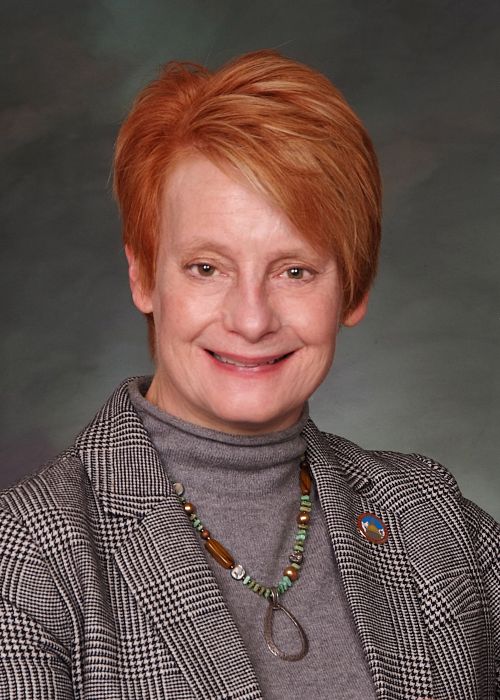
Amy Paschal
DDemocratic
P
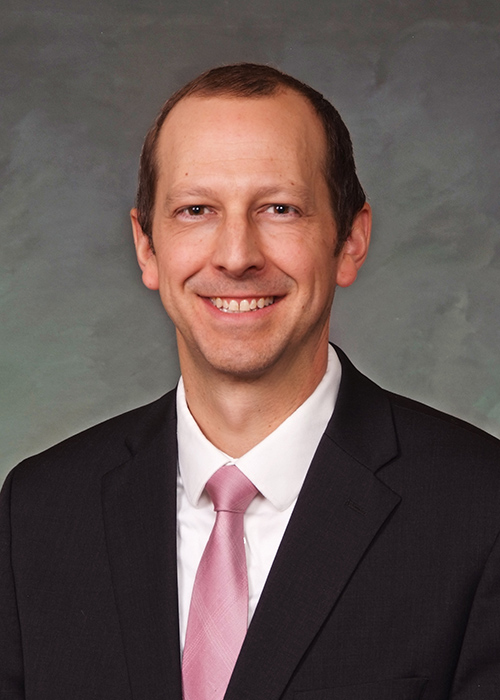
Andy Boesenecker
DDemocratic
P
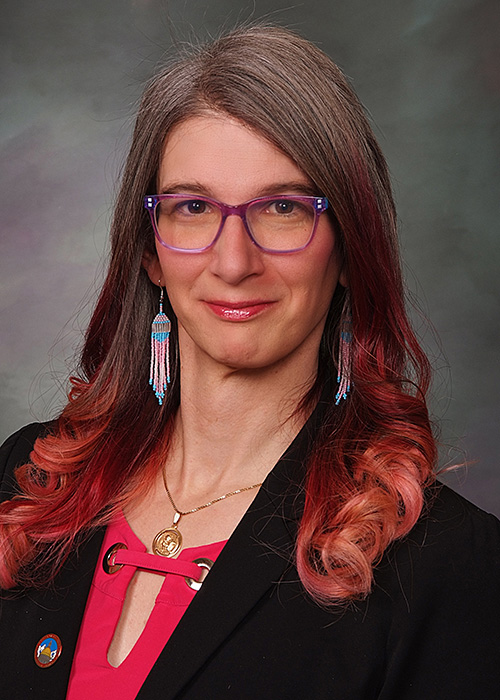
Brianna Titone
DDemocratic
P
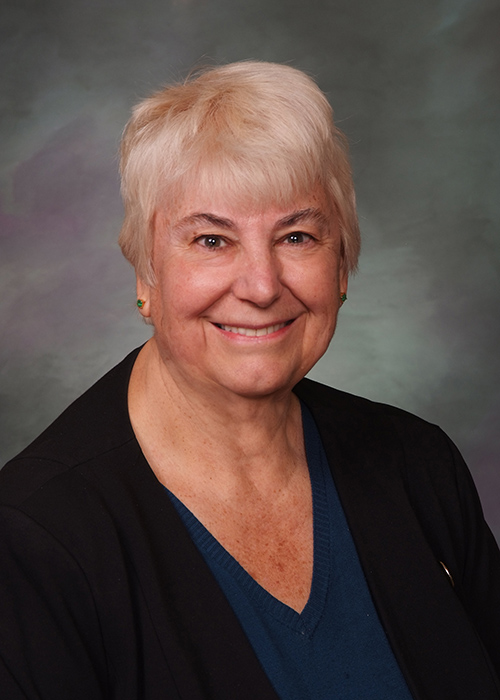
Cathy Kipp
DDemocratic
P
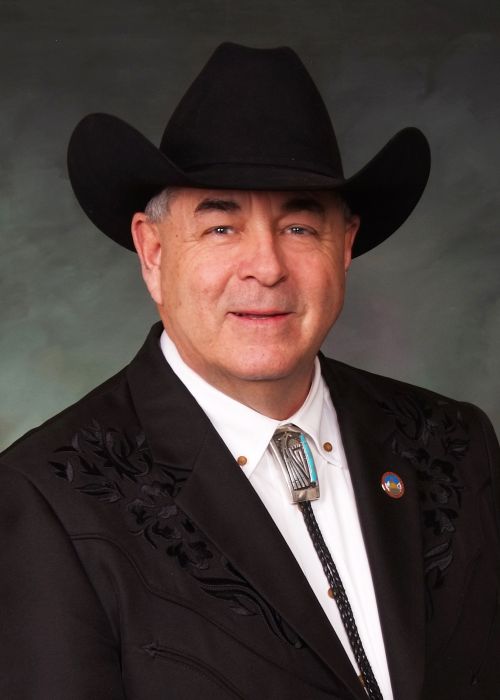
Cleave Simpson
RRepublican
P
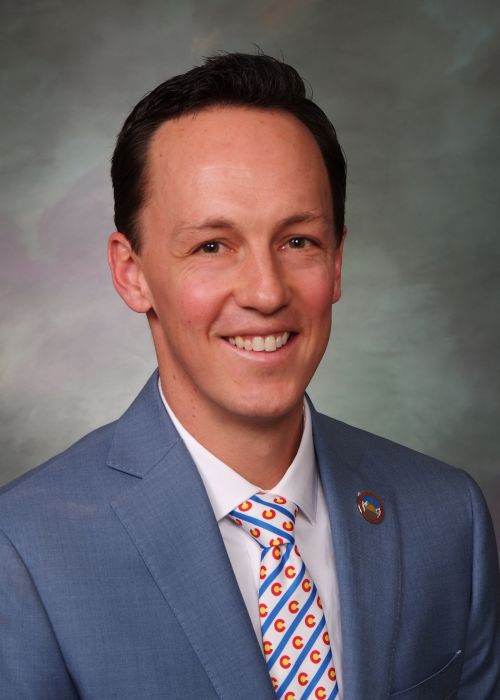
Dylan Roberts
DDemocratic
P
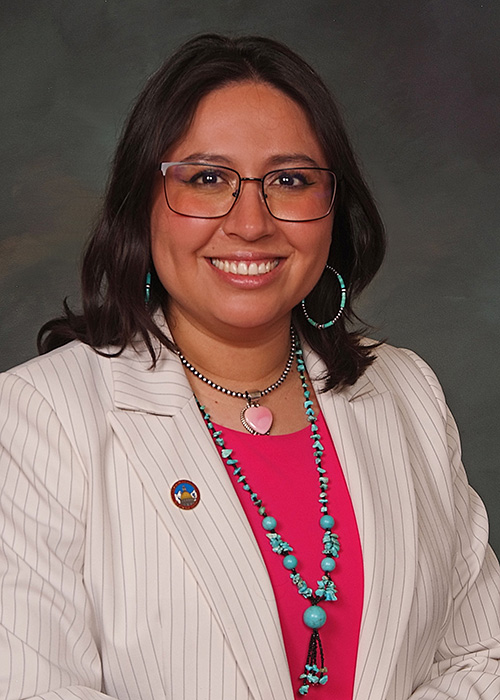
Elizabeth Velasco
DDemocratic
P
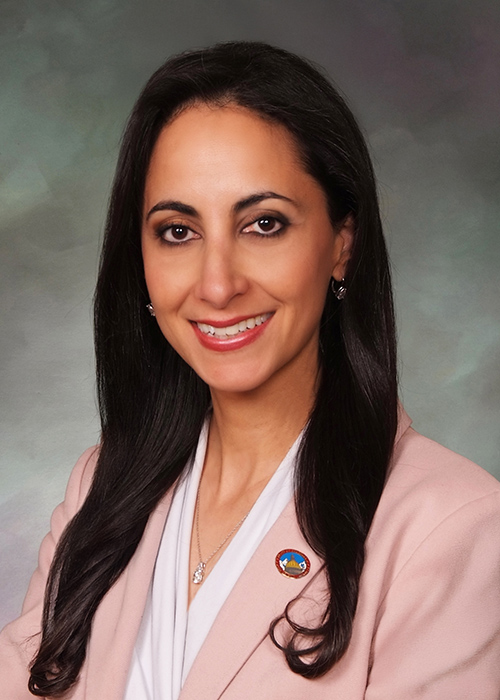
Iman Jodeh
DDemocratic
P
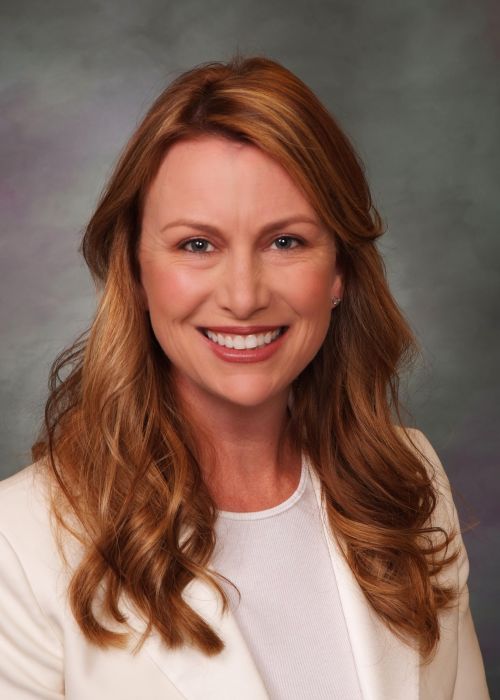
Jessie Danielson
DDemocratic
P
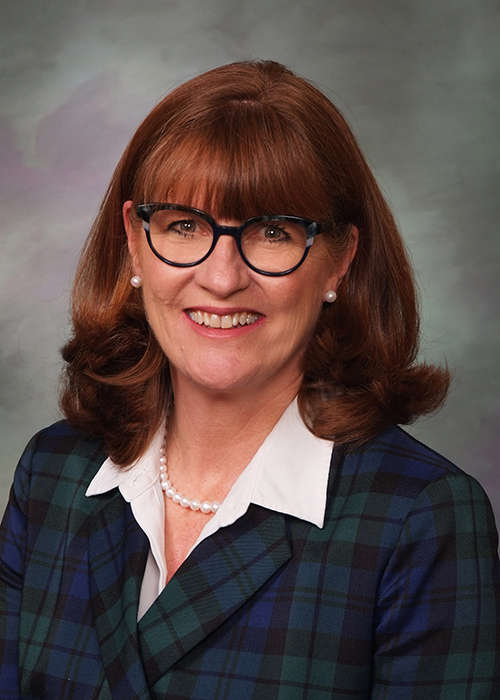
Julie McCluskie
DDemocratic
P
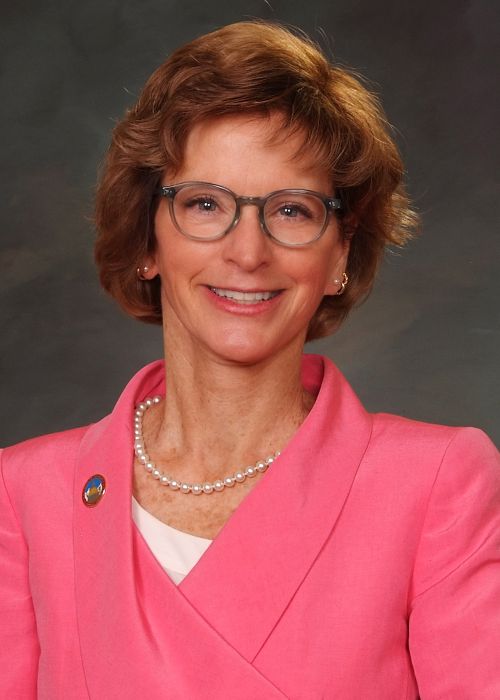
Karen McCormick
DDemocratic
P
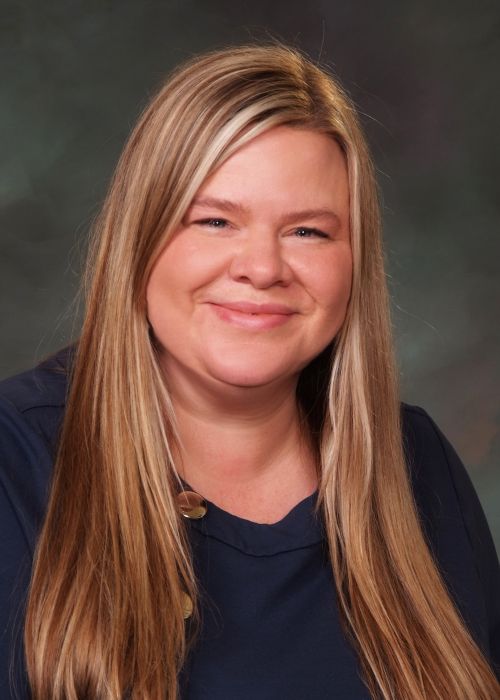
Katie Stewart
DDemocratic
P
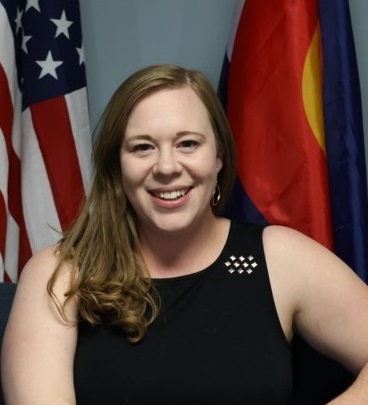
Katie Wallace
DDemocratic
P
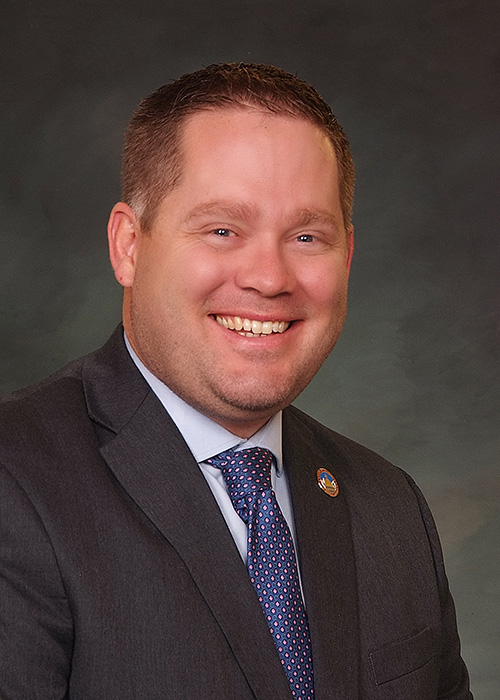
Kyle Mullica
DDemocratic
P
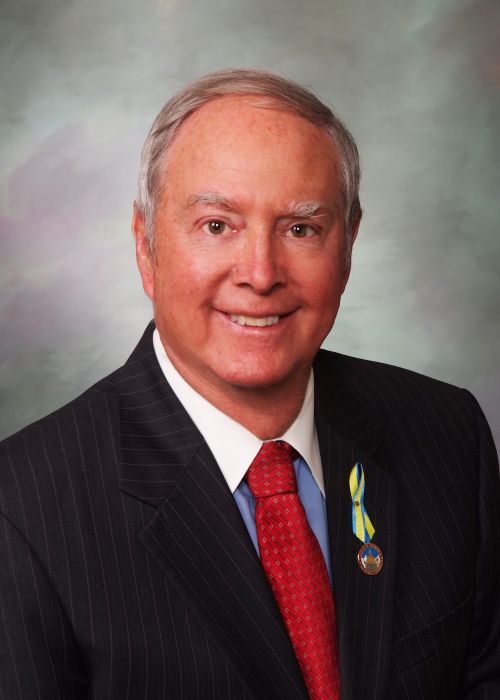
Larry Liston
RRepublican
P
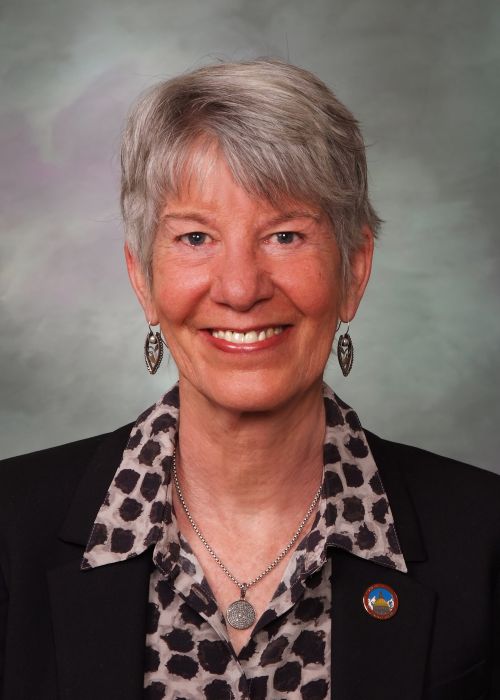
Lesley Smith
DDemocratic
P
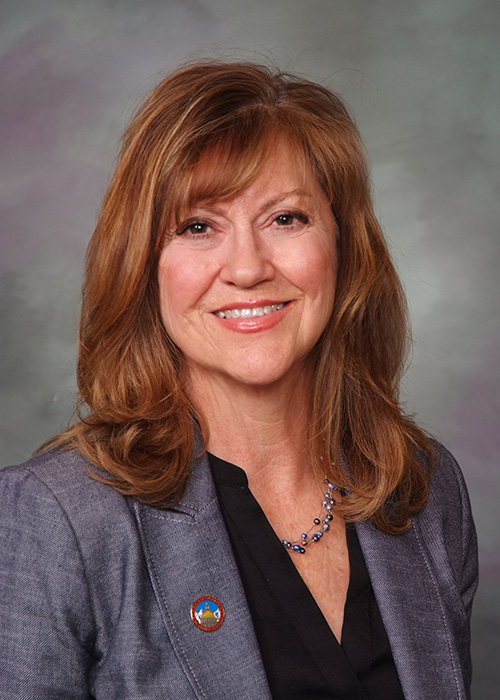
Lisa Cutter
DDemocratic
P
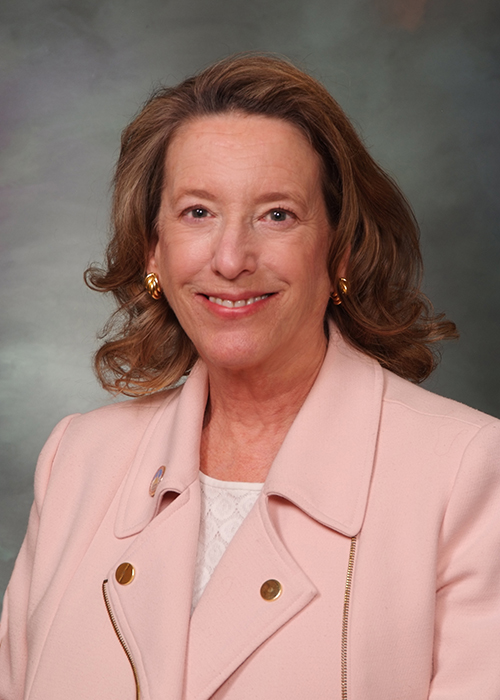
Lisa Frizell
RRepublican
P
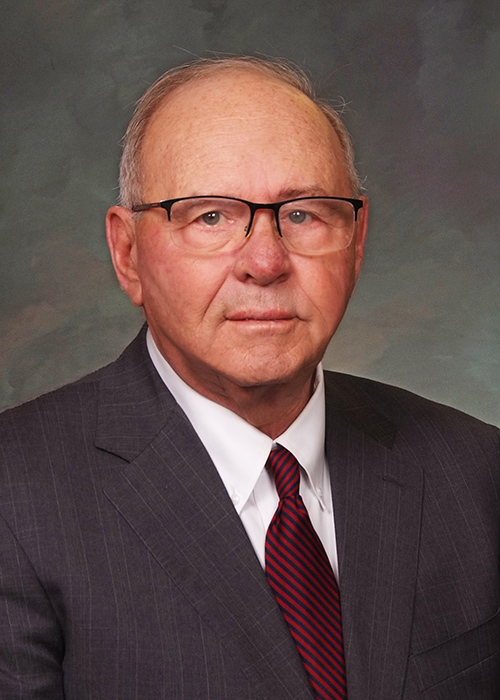
Marc Catlin
RRepublican
P
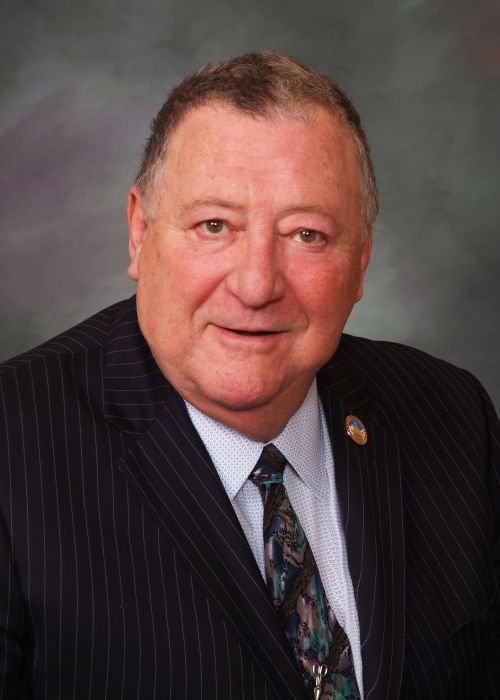
Marc Snyder
DDemocratic
P
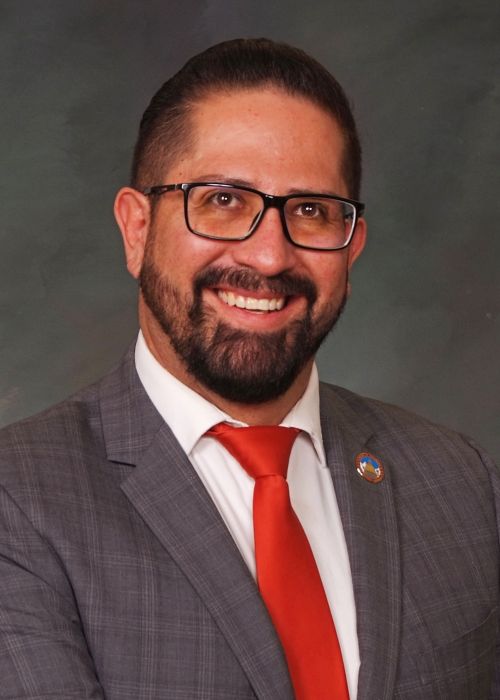
Matt Martinez
DDemocratic
P
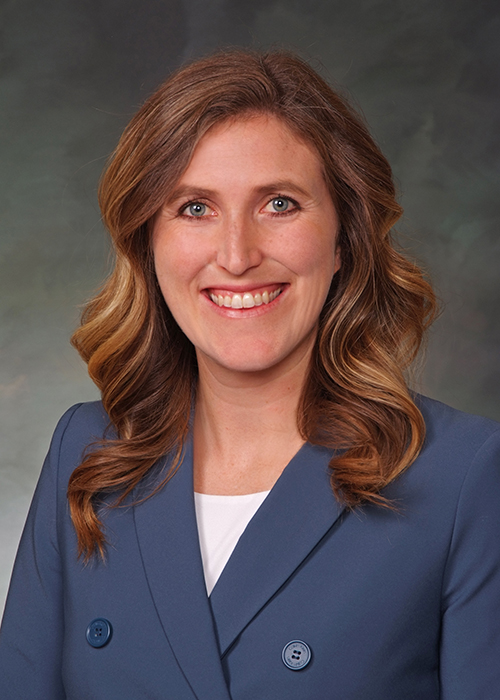
Meghan Lukens
DDemocratic
P
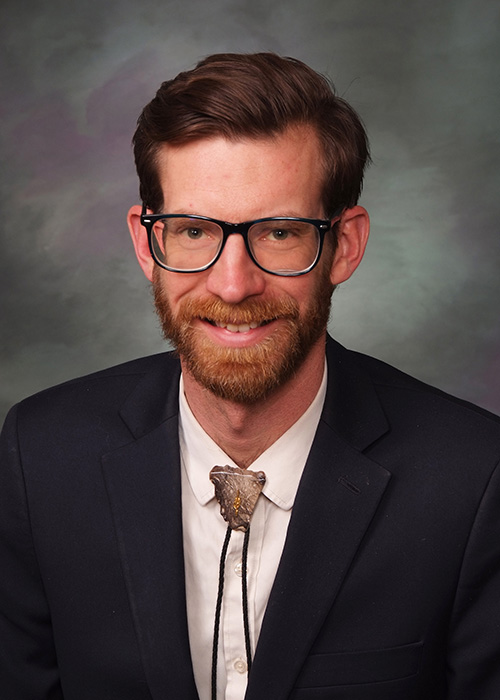
Nick Hinrichsen
DDemocratic
P
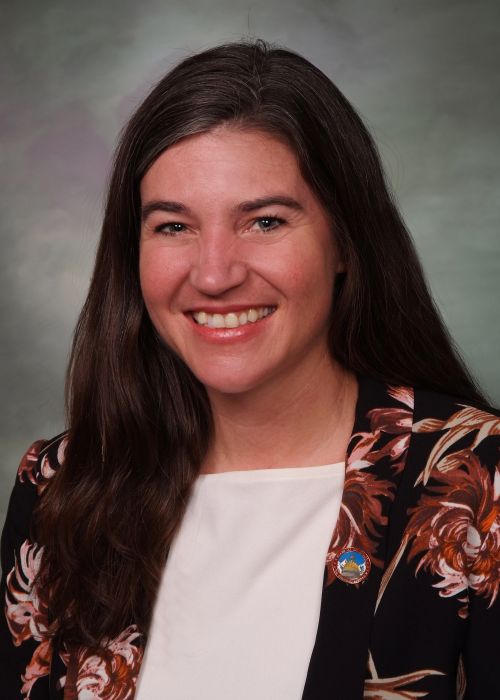
Rebekah Stewart
DDemocratic
P
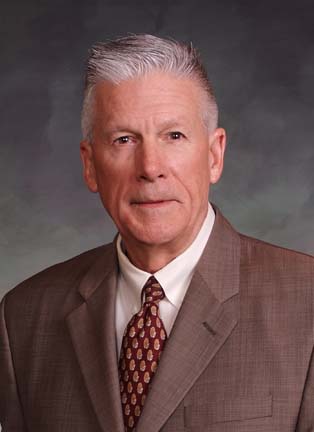
Rick Taggart
RRepublican
P
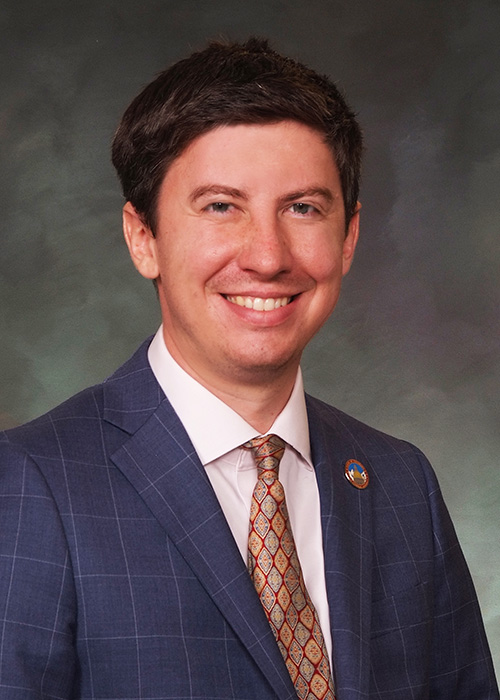
William Lindstedt
DDemocratic
Co
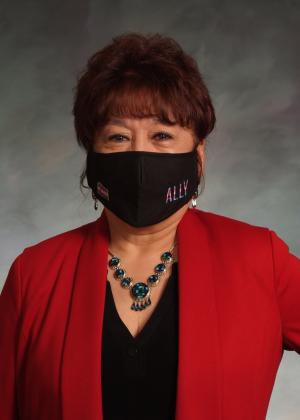
Adrienne Benavidez
DDemocratic
Co
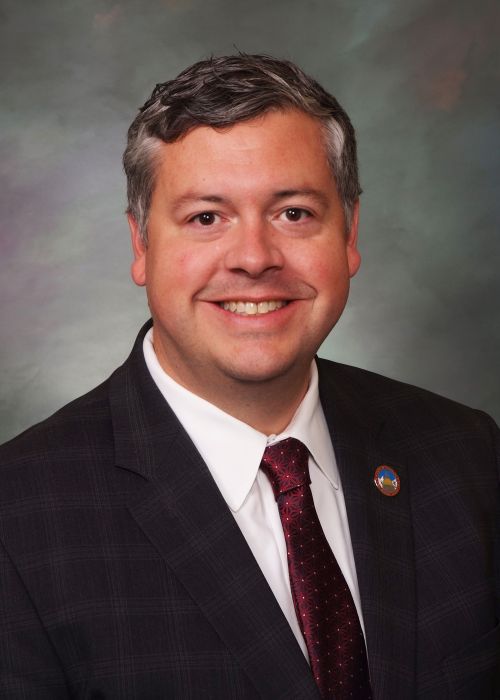
Alex Valdez
DDemocratic
Co
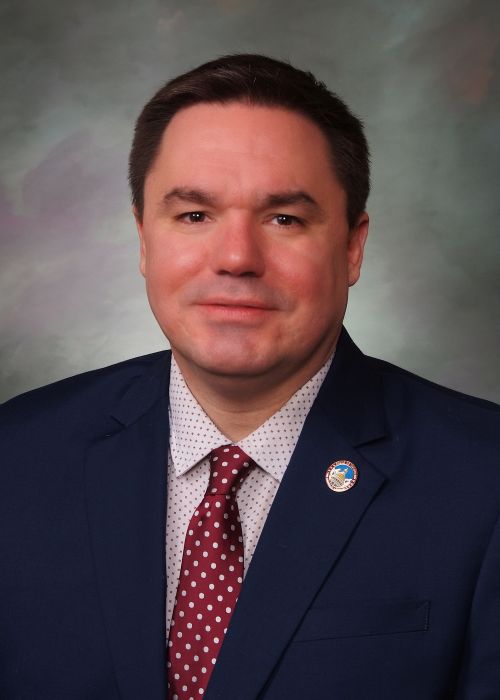
Chad Clifford
DDemocratic
Co
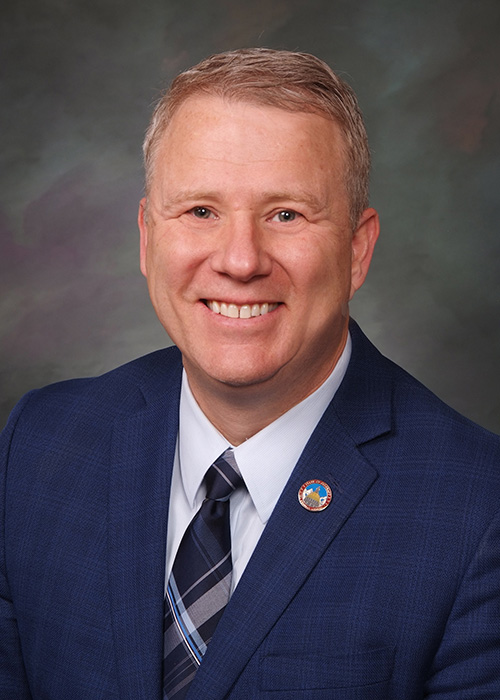
Chris Kolker
DDemocratic
Co
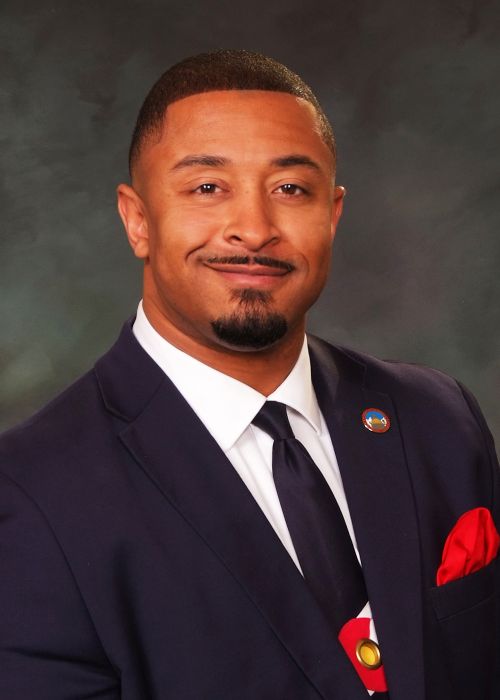
James Coleman
DDemocratic
Co
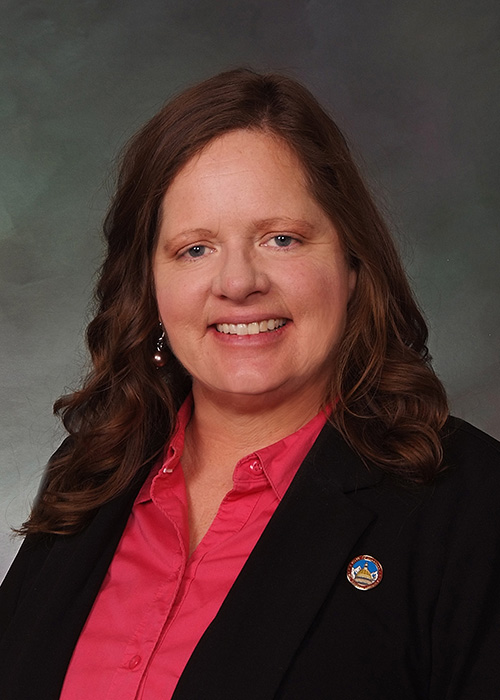
Janice Marchman
DDemocratic
Co
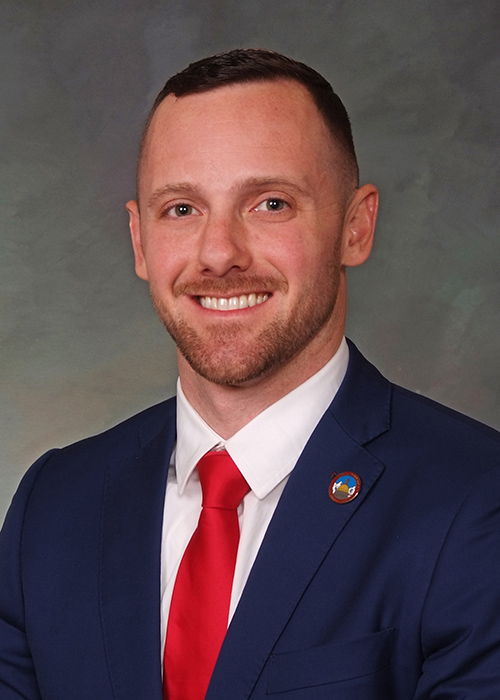
Jarvis Caldwell
RRepublican
Co
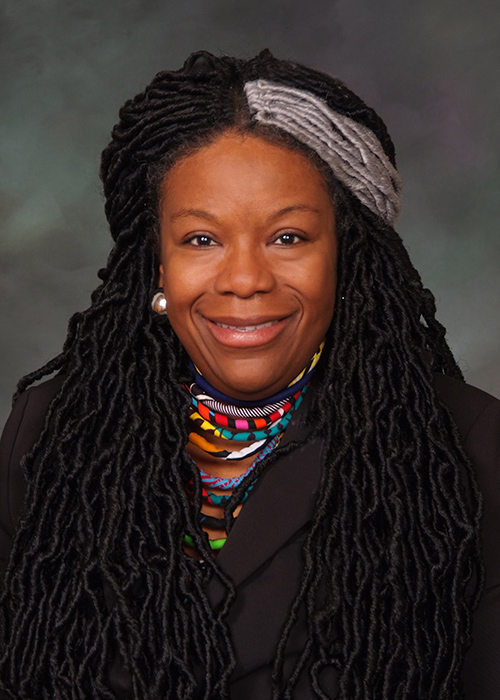
Jennifer Bacon
DDemocratic
Co
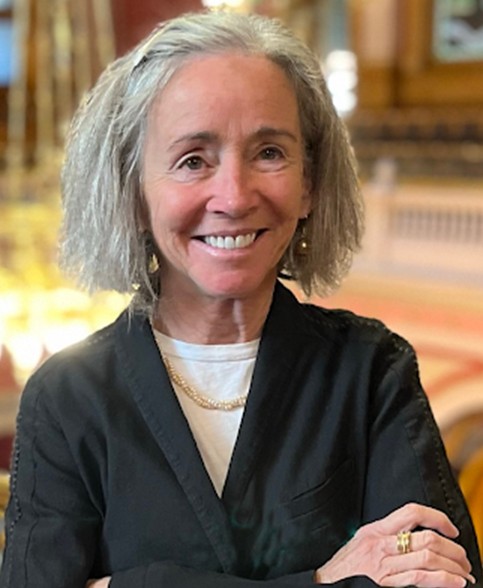
Judy Amabile
DDemocratic
Co
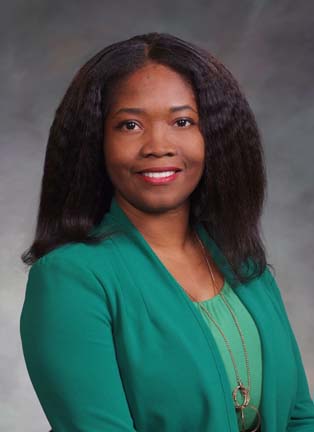
Junie Joseph
DDemocratic
Ask Maddy
·
AI policy assistant
Ask Maddy about SB 141
Scope: CO
Hi! I can help you understand SB 141. What would you like to know?
Try one of these
i
Maddy answers using official bill text and legislative records. Always verify before sharing.
Sources cited inline