

Wind Energy Facilities Light-Mitigating Technology
Summary
In 2022, the general assembly enacted Senate Bill 22-110, concerning a requirement that a wind-powered energy generation facility be equipped with light mitigating technology (technology), to require an owner or operator of a new wind-powered energy generation facility (facility) to install technology at the facility and to obtain federal aviation administration (FAA) approval before installing the technology. An owner or operator of a facility can request from the governing body of the local government in which the facility is located an extension of up to 24 months to install the technology. The act requires the owner or operator of a facility to also obtain federal communications commission (FCC) approval for installation of the technology and requires that a governing body of a local government grant an owner or operator of a facility an extension of time to install the technology if FAA, FCC, or other federal agency approval is delayed. The act also requires that an extension of time granted by the governing body of a local government is at least 24 months in duration.(Note: This summary applies to this bill as enacted.)
Bill status
signed
all 5 stages cleared
Introduction
Apr 2026
Committee Review
May 2026
House Passage
Jun 2026
Senate Passage
Jun 2026
Signed into Law
Jun 2026
Introduced Apr 21, 2026
Signed Jun 4, 2026
Maddy AI version diff · 6 comparisons
What changed between versions
Final Act
→
Signed Act
·
3 edits
·
Jun 4, 2026
MINOR
The bill was finalized and signed into law, removing administrative notices about the signing process and correcting formatting errors in the text. The core legislative requirements regarding light-mitigating technology for wind facilities remain substantively unchanged, though minor text corrections were applied throughout the statute.
TECHNICAL
Removed preliminary notes indicating the bill was awaiting the Governor's signature and removed blank lines.
Corrected formatting inconsistencies, such as adjusting indentation levels and fixing typos in the statutory text.
Adjusted the layout of signature lines and official titles to reflect the final signed state.
Floor votes
How they voted
This bill passed the Senate by voice vote (no roll call recorded).
Full legislative history
Actions timeline
Total actions
12
Key actions
7
Committee
2
Jun 4, 2026
Signed into law
Governor Signed
executive
Jun 3, 2026
Upper · Passed
Signed by the President of the Senate
upper
Jun 3, 2026
Lower · Passed
Signed by the Speaker of the House
lower
May 7, 2026
Upper · Passed
Senate Third Reading Passed - No Amendments
upper
May 4, 2026
Upper · Passed
Senate Committee on Transportation & Energy Refer Unamended - Consent Calendar to Senate Committee of the Whole
upper
May 1, 2026
Introduced
Introduced In Senate - Assigned to Transportation & Energy
upper
Apr 30, 2026
Lower · Passed
House Third Reading Passed - No Amendments
lower
Apr 28, 2026
Lower · Passed
House Committee on Transportation, Housing & Local Government Refer Unamended to House Committee of the Whole
lower
Apr 21, 2026
Introduced
Introduced In House - Assigned to Transportation, Housing & Local Government
lower
4 primary · 14 co-sponsors
Sponsors
Role
Legislator
Party
State
District
P

Amy Paschal
DDemocratic
P
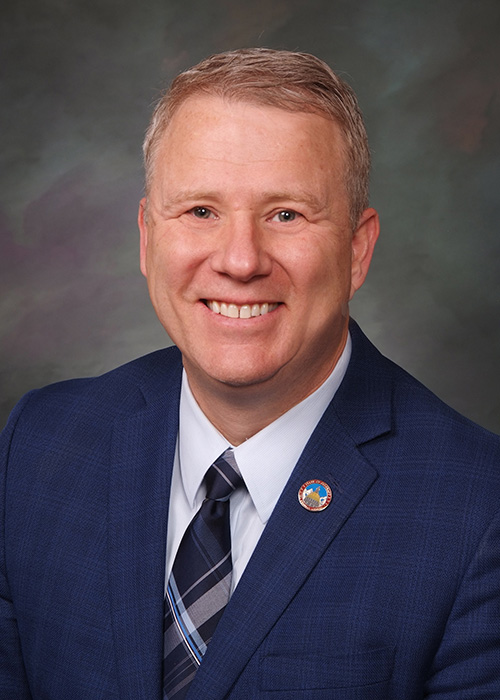
Chris Kolker
DDemocratic
P
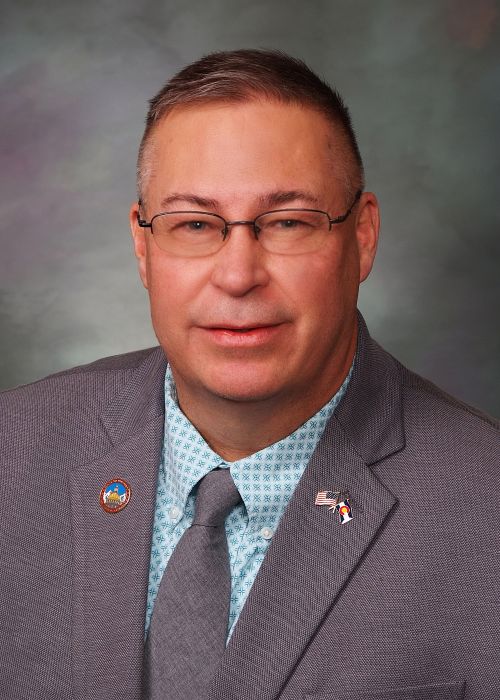
Chris Richardson
RRepublican
P

Rod Pelton
RRepublican
Co

Ava Flanell
RRepublican
Co
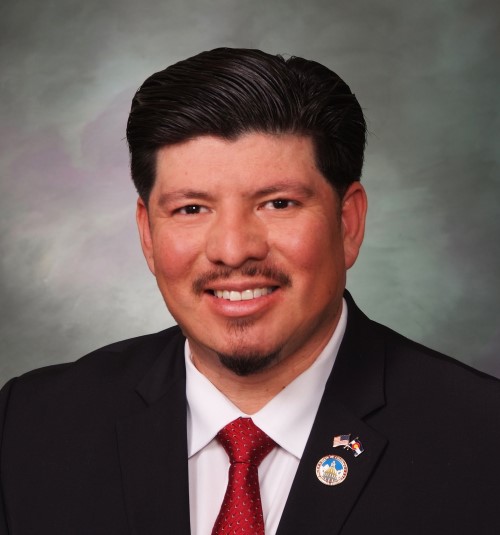
Carlos Barron
RRepublican
Co

Chad Clifford
DDemocratic
Co

Dan Woog
RRepublican
Co

Dusty Johnson
RRepublican
Co

James Coleman
DDemocratic
Co

Jamie Jackson
DDemocratic
Co

Jarvis Caldwell
RRepublican
Co

Karen McCormick
DDemocratic
Co

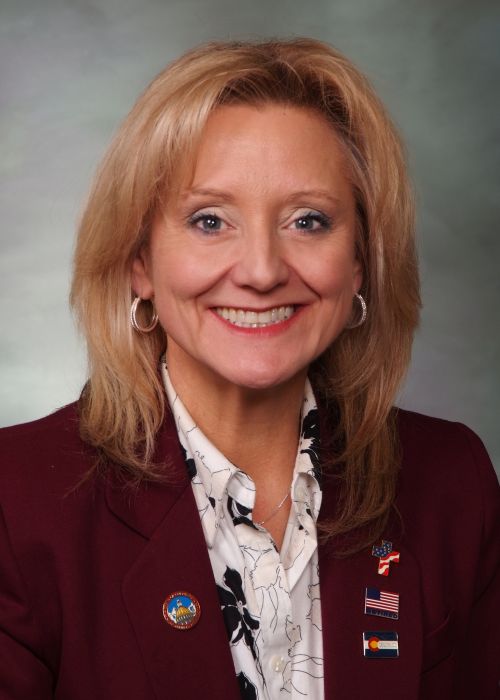
Lesley Smith
DDemocratic


Ask Maddy
·
AI policy assistant
Ask Maddy about HB 1420
Scope: CO
Hi! I can help you understand HB 1420. What would you like to know?
Try one of these
i
Maddy answers using official bill text and legislative records. Always verify before sharing.
Sources cited inline