HB 1325 Colorado House · 2026 Regular Session

Natural Medicine

Summary
The act establishes the ibogaine research pilot program (pilot program) in the behavioral health administration (BHA) to research the safety and effectiveness of using ibogaine to treat mental health conditions and substance use disorders. The act requires the BHA to establish a committee to review pilot program site applications and make recommendations to the BHA on which applicants to accept. The BHA may select up to 5 ibogaine pilot sites. The act allows the BHA to seek, accept, and expend gifts, grants, and donations and establishes the ibogaine research pilot program cash fund. The pilot program is contingent on the BHA receiving sufficient gifts, grants, and donations to administer the pilot program and award grants to the selected ibogaine pilot sites to help with financing needs.     Under current law, the division of natural medicine advisory board consists of 15 voting members, 8 of whom must have general expertise and experience related to natural medicine and 7 of whom must have specialized expertise and experience in various areas of natural medicine. The act amends the expertise and experience requirements to apply equally to all 15 voting members.     The act adds that a facilitator of natural medicine services is not liable for a physical or psychological injury that a participant may experience as a result of the facilitator's performance or supervision of the natural medicine services that a participant receives, unless the injury is the result of the facilitator's intentional misconduct, gross negligence, or a deviation from the recognized standard of care.     The act authorizes the state licensing authority for natural medicine or natural medicine product (state licensing authority) to adopt rules related to the administration, manufacturing, and use of ibogaine.     The act sets requirements for how the state licensing authority must prioritize reviewing applications for licensure to facilitate natural medicine services and allows the state licensing authority to set different licensing fees depending on the type of natural medicine the applicant is seeking licensure for.     The act allows the state licensing authority to accept gifts, grants, and donations from public or private sources and requires gifts, grants, or donations received to be deposited in the regulated natural medicine division cash fund.     The act requires the BHA to work to secure federal research and development funding available through the advanced research projects agency for health within the federal department of health and human services, or other available funding, in order to advance research on the use of ibogaine for the treatment of serious mental illness.     The act updates the powers and duties of the director of the division of professions and occupations to include adopting rules that guide the use and administration of ibogaine.     A licensee seeking to cultivate, manufacture, dispense, or administer ibogaine shall, in consultation with Indigenous communities, establish a benefit-sharing plan that directly benefits those Indigenous communities.     The act:Updates definition of 'administration session' to include the use of regulated natural medicine and regulated natural medicine product that the participant purchases to consume during the administration session;Prohibits a person from advertising bona fide harm reduction services or bona fide support services offered for remuneration, advertising natural medicine or natural medicine products, or using harm reduction services or support services to conduct sales of natural medicine;Clarifies that the state licensing authority is not required to conduct routine, periodic, or pre-operational inspections as a condition of licensure unless expressly required;Requires state licensing authority to adopt rules regarding licensing privileges and restrictions of a limited regulated natural medicine sales license and eligibility requirements for an applicant to obtain a limited regulated natural medicine sales license;Allows the state licensing authority to adopt rules regarding the application procedures and license requirement for a healing center to operate a temporary premises; and requirements for cultivation, manufacture, testing, or dispensing of ibogaine;Allows the department of public health and environment to issue a temporary premises permit to a licensed natural medicine healing center if certain conditions are met and allows a healing center to apply for a temporary premises permit;Prohibits a healing center licensee from selling regulated natural medicine or regulated natural medicine product unless a co-located limited regulated natural medicine sales licensee conducts the transaction in accordance with certain requirements; andAllows the director of the natural medicine division to issue an order to cease and desist if the director determines that a person is acting or has acted without a license to operate a natural medicine business or to own, grow, harvest, transfer, manufacture, supervise, provide, or administer natural medicine.(Note: This summary applies to this bill as enacted.)
Bill status signed all 5 stages cleared
Introduction
Mar 2026
Committee Review
May 2026
House Passage
Jun 2026
Senate Passage
Jun 2026
Signed into Law
Jun 2026
Introduced Mar 6, 2026 Signed Jun 4, 2026
Maddy AI version diff · 5 comparisons

What changed between versions

Rerevised Final Act · 6 edits · May 29, 2026
MODERATE
The bill was transitioned from a draft version to a final act ready for signature, incorporating specific amendments that define the Ibogaine Research Pilot Program. The changes clarify the program's purpose, establish a committee to review site applications, and mandate a 'benefit-sharing plan' to ensure Indigenous communities connected to the plant's origins receive fair compensation or support. The text also adds detailed operational requirements for the Behavioral Health Administration, including seeking federal research authorization and assisting sites with grant applications.
Scope change
The bill's scope remains focused on creating a regulated pilot program for Ibogaine research, but the final act adds specific mandates for federal compliance, Indigenous benefit-sharing, and a formal review committee, narrowing the discretion previously implied in the draft.
DEFINITION

Added a specific definition for 'Benefit-Sharing Plan,' requiring arrangements with Indigenous communities to share in benefits from research or commercialization.

REQUIREMENT

Established a mandatory Pilot Proposal Review Committee within the Behavioral Health Administration to evaluate and recommend on site applications.

Required the program to seek federal authorization under 21 U.S.C. Sec. 872(e) or other applicable laws to expand Ibogaine research efforts.

Mandated that applicants for pilot sites must establish a benefit-sharing plan that includes documentation of the Ibogaine sourcing.

SCOPE

Expanded the Behavioral Health Administration's duties to include negotiating memorandums of understanding with federal agencies like the DEA and FDA to ensure compliance.

TECHNICAL

Updated the header and metadata to reflect the bill's status as a Final Act prepared for signatures, including updated reading dates and committee lists.

Floor votes

How they voted

This bill passed the Senate by voice vote (no roll call recorded).
Full legislative history

Actions timeline

Total actions
16
Key actions
7
Committee
4
Amendments
1
Jun 4, 2026
Signed into law
Governor Signed
executive
Jun 1, 2026
Lower · Passed
Signed by the Speaker of the House
lower
Jun 1, 2026
Upper · Passed
Signed by the President of the Senate
upper
May 13, 2026
Introduced
House Considered Senate Amendments - Result was to Concur - Repass
lower
May 13, 2026
Upper · Passed
Senate Third Reading Passed - No Amendments
upper
May 11, 2026
Upper · Passed
Senate Committee on Appropriations Refer Unamended to Senate Committee of the Whole
upper
May 11, 2026
Committee
Senate Committee on Health & Human Services Refer Amended to Appropriations
upper
May 11, 2026
Introduced
Introduced In Senate - Assigned to Health & Human Services
upper
May 9, 2026
Lower · Passed
House Third Reading Passed - No Amendments
lower
May 7, 2026
Lower · Passed
House Committee on Appropriations Refer Amended to House Committee of the Whole
lower
Mar 24, 2026
Committee
House Committee on Health & Human Services Refer Amended to Appropriations
lower
Mar 6, 2026
Introduced
Introduced In House - Assigned to Health & Human Services
lower
4 primary · 30 co-sponsors
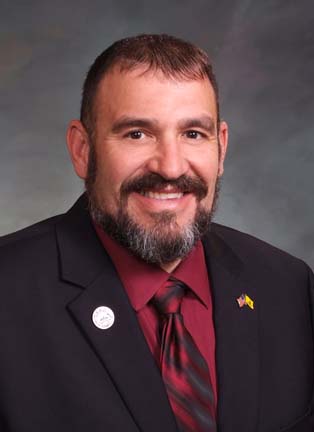
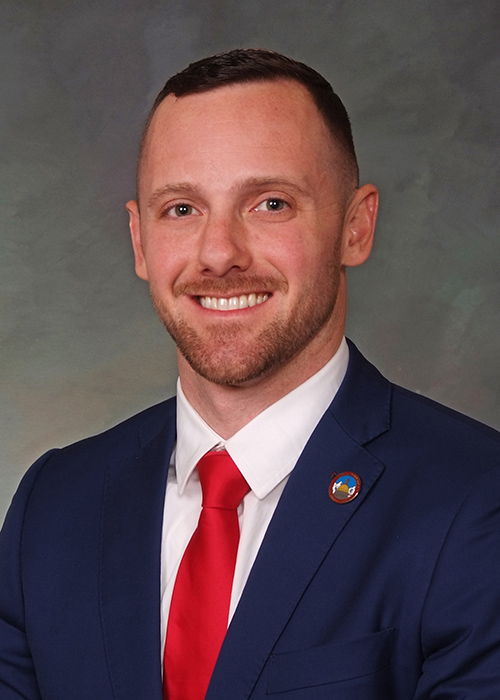
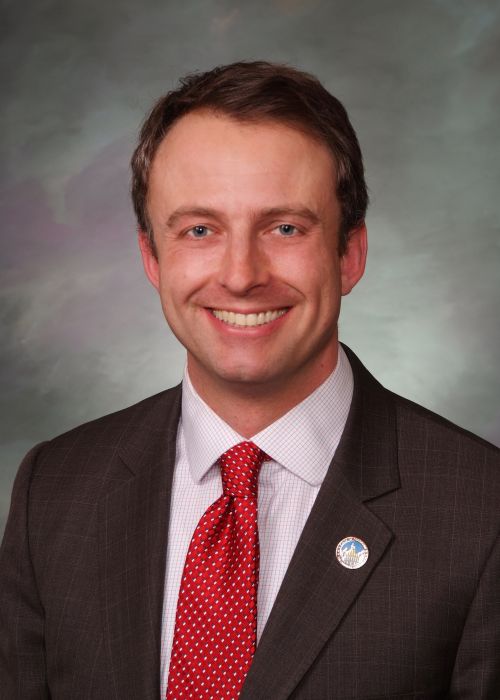
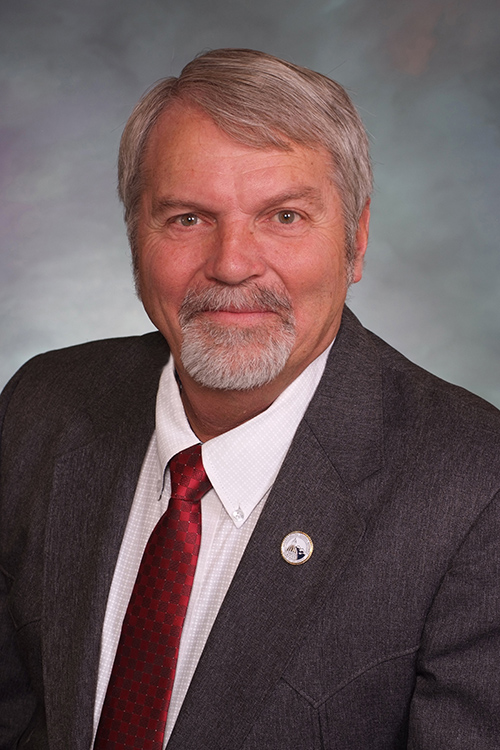
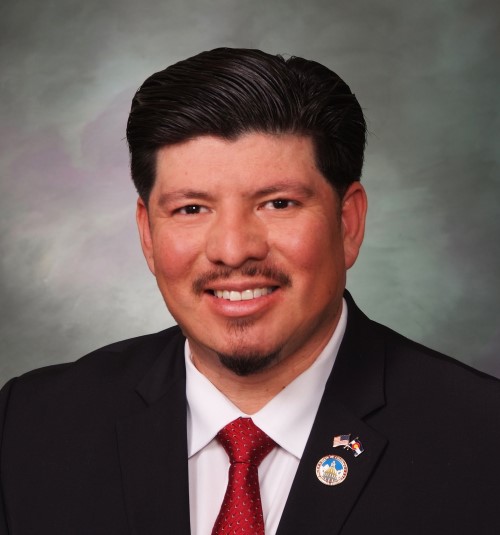
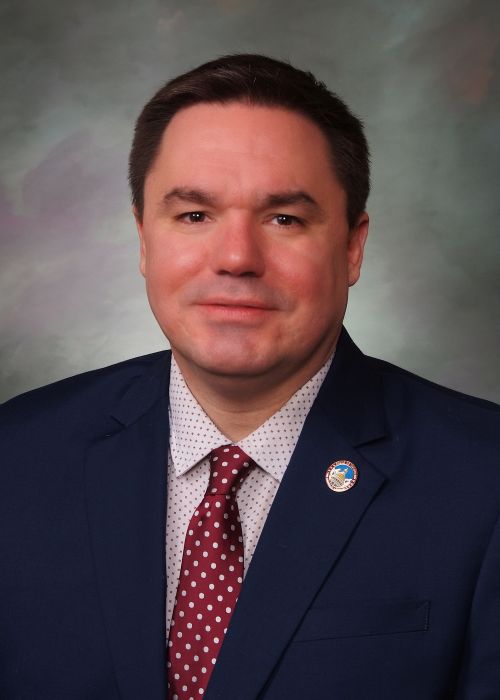
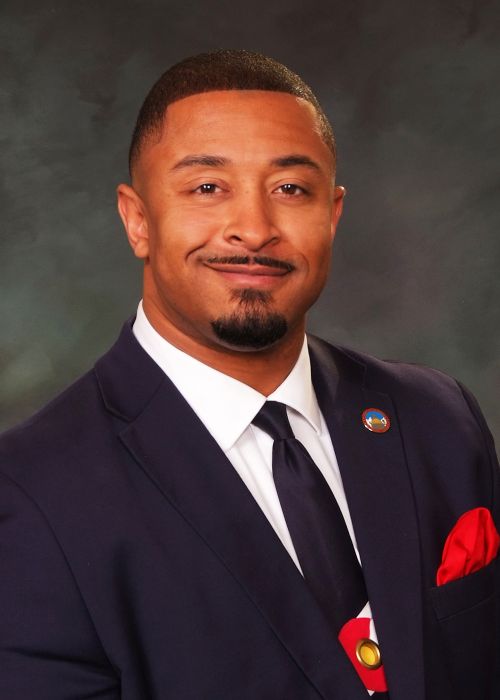
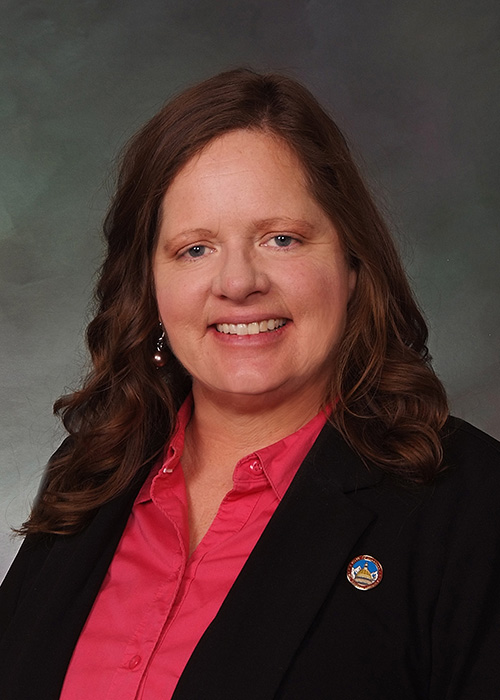
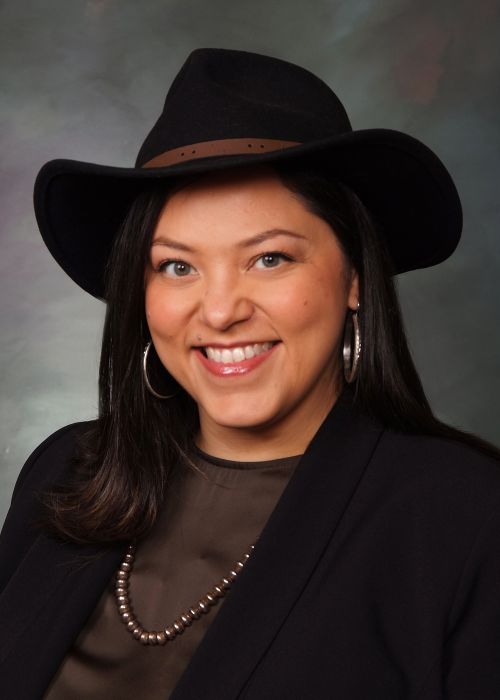
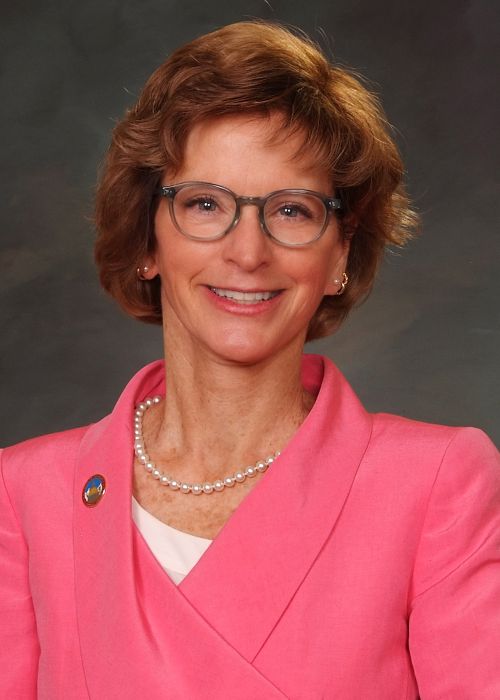
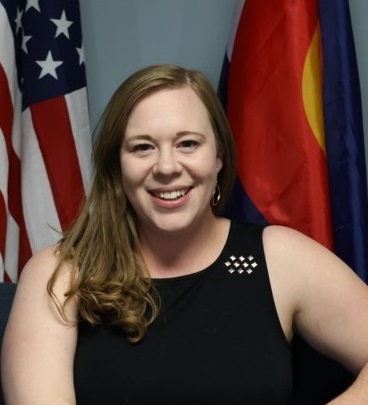
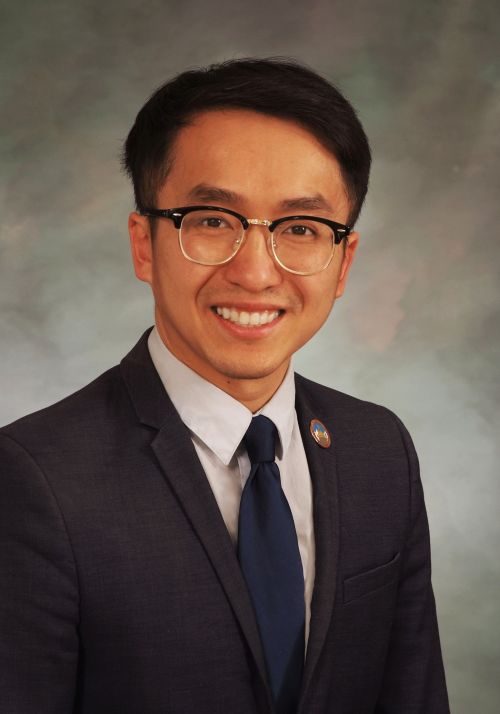
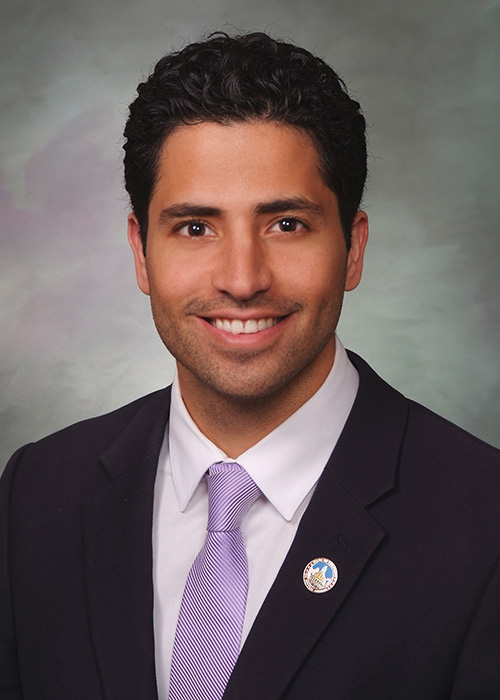
Sponsors