

Accessible Language Statutory Ballot Title Requirements
Summary
Under current law, the title board must set a ballot title for an initiative petition that is brief, does not conflict with another title for an initiative petition filed for the same election, and is in the form of a question that may be answered 'yes/for' or 'no/against' and that unambiguously states the principle of the provision sought to be added, amended, or repealed by the initiative. The act adds a requirement that the title board write a ballot title using accessible language, which means plain language that is understood by the widest possible audience. In determining whether a ballot title is written using accessible language, the title board may consider whether the title:Avoids using legal, technical, or specialized terminology when possible;Clearly identifies the principal change in law or policy proposed by the proposed statutory or constitutional amendment;Avoids unnecessary qualifiers, double negatives, and overly complex phrasing;Organizes clauses so that the effect of a 'yes/for' or 'no/against' vote is readily understood; andPresents necessary information within the ballot title in a logical and readable order. In addition, current law requires that specific language appear in the ballot title for certain initiatives that increase or reduce tax revenue. For initiatives that reduce state tax revenue or local district property tax revenue through a tax change, this required language must appear at the beginning of the ballot title. For initiatives that increase tax revenue for any district through a tax change, this required language must appear directly after language required by the Taxpayer's Bill of Rights. The act modifies these statutory provisions so that the required ballot title language must only be substantially similar to the specific statutory language and may appear anywhere in the ballot title. The act applies to initiative petitions submitted to the secretary of state for title setting on or after the effective date of the act.(Note: This summary applies to this bill as enacted.)
Bill status
signed
all 5 stages cleared
Introduction
Mar 2026
Committee Review
Apr 2026
House Passage
May 2026
Senate Passage
May 2026
Signed into Law
May 2026
Introduced Mar 4, 2026
Signed May 29, 2026
Maddy AI version diff · 5 comparisons
What changed between versions
Rerevised
→
Final Act
·
4 edits
·
May 21, 2026
MODERATE
This bill modifies the rules for creating ballot titles in Colorado to make them clearer and more accessible to voters. It allows required language about tax changes to appear anywhere in the ballot title rather than being forced to the beginning, and it adds specific criteria for what constitutes 'accessible language' to ensure titles are easy to understand.
Scope change
The bill expands the scope of ballot title requirements by adding new criteria for accessibility and modifying where specific tax-related language must appear.
REQUIREMENT
Changed the requirement for tax reduction ballot titles so the mandatory language can appear anywhere in the title instead of being required at the very beginning.
Added new criteria for 'accessible language' that titles must meet, such as avoiding legal jargon, clearly identifying the principal change, and organizing clauses logically.
Added a new subsection allowing the title board to consider specific factors like avoiding double negatives and complex phrasing when determining if a title uses accessible language.
Updated the statute to reference a related bill (HB 26-1084) regarding tax increase language, indicating a coordination of rules for different types of tax measures.
Floor votes · Senate May 4, 2026 · House Mar 27, 2026
How they voted
52–12
Passed
Total votes 64
May 4, 2026
D
Democratic42
100% Yea
R
Republican22
54% Nay
Vote distribution
All Yea
All Nay
Mixed
No data
Full legislative history
Actions timeline
Total actions
16
Key actions
8
Committee
2
Amendments
2
May 29, 2026
Signed into law
Governor Signed
executive
May 21, 2026
Upper · Passed
Signed by the President of the Senate
upper
May 21, 2026
Lower · Passed
Signed by the Speaker of the House
lower
May 4, 2026
Introduced
House Considered Senate Amendments - Result was to Concur - Repass
lower
May 4, 2026
Senate · Passed
Senate Vote: pass (52-12)
senate
Apr 28, 2026
Introduced
House Considered Senate Amendments - Result was to Laid Over Daily
lower
Apr 27, 2026
Upper · Passed
Senate Third Reading Passed - No Amendments
upper
Apr 21, 2026
Upper · Passed
Senate Committee on State, Veterans, & Military Affairs Refer Amended to Senate Committee of the Whole
upper
Mar 31, 2026
Introduced
Introduced In Senate - Assigned to State, Veterans, & Military Affairs
upper
Mar 27, 2026
Lower · Passed
House Third Reading Passed - No Amendments
lower
Mar 23, 2026
Lower · Passed
House Committee on State, Civic, Military, & Veterans Affairs Refer Amended to House Committee of the Whole
lower
Mar 4, 2026
Introduced
Introduced In House - Assigned to State, Civic, Military, & Veterans Affairs
lower
3 primary · 30 co-sponsors
Sponsors
Role
Legislator
Party
State
District
P
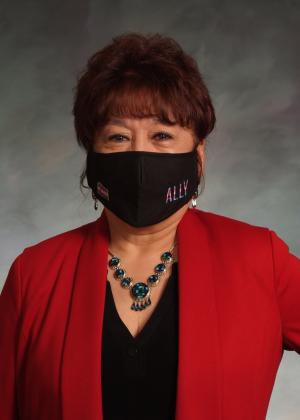
Adrienne Benavidez
DDemocratic
P

Kenny Nguyen
DDemocratic
P
LG
Lorena García
DDemocratic
Co

Andy Boesenecker
DDemocratic
Co

Brianna Titone
DDemocratic
Co

Cathy Kipp
DDemocratic
Co

Chad Clifford
DDemocratic
Co

Chris Kolker
DDemocratic
Co

Elizabeth Velasco
DDemocratic
Co

Emily Sirota
DDemocratic
Co

Iman Jodeh
DDemocratic
Co

James Coleman
DDemocratic
Co

Jamie Jackson
DDemocratic


















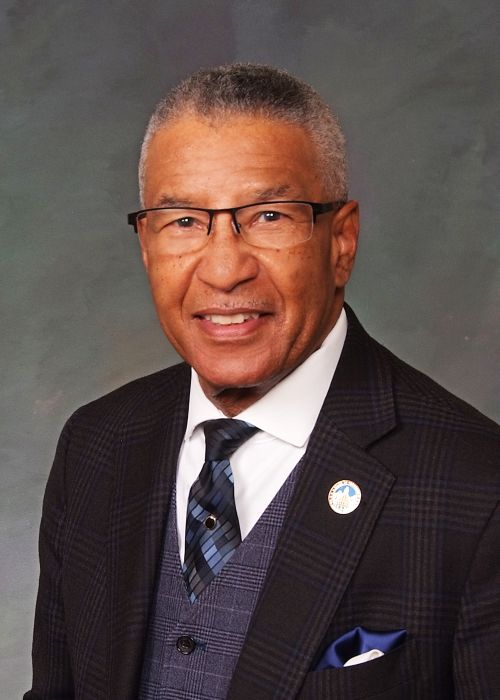

Ask Maddy
·
AI policy assistant
Ask Maddy about HB 1320
Scope: CO
Hi! I can help you understand HB 1320. What would you like to know?
Try one of these
i
Maddy answers using official bill text and legislative records. Always verify before sharing.
Sources cited inline