

Traffic Safety Near Schools
Summary
The act defines school zones as all roadways within at least 1,000 feet of a school property boundary, except state highways unless they are designated as part of a school zone with the written approval of the Colorado department of transportation, and including school zones established before August 12, 2026, that are 200 feet or more from a school property boundary. A school zone must have appropriate signs posted indicating it is a school zone and that the penalties and surcharges within the school zone will be doubled. The act allows a local government that has jurisdiction over a school zone to reduce the size of a school zone after first holding a public hearing, but the act does not allow a school zone to be reduced to less than 200 feet from a school property boundary. Additionally, the act does not prohibit local governments from expanding school zones to beyond 1,000 feet from a school property boundary. The act limits requirements the state, a county, a city and county, or a municipality must complete regarding placing and using an automated vehicle identification system along a safe route to school. The act allows a local government to designate a portion of a roadway immediately adjacent to a school property boundary as a school street and requires the local government to post signs indicating it is a school street if the local government has jurisdiction to do so. The local government may close a school street to traffic. If there is traffic on the school street, the maximum speed limit is 10 miles per hour and vehicles must yield the right-of-way to pedestrians, bicyclists, or micromobility users. The local government may suspend additional traffic provisions on the school street that endanger pedestrians, bicyclists, or micromobility users.(Note: This summary applies to this bill as enacted.)
Bill status
signed
all 5 stages cleared
Introduction
Mar 2026
Committee Review
Apr 2026
House Passage
May 2026
Senate Passage
May 2026
Signed into Law
May 2026
Introduced Mar 4, 2026
Signed May 29, 2026
Maddy AI version diff · 5 comparisons
What changed between versions
Rerevised
→
Final Act
·
5 edits
·
May 21, 2026
MODERATE
This bill expands the definition of 'school zones' to include all roadways within 1,000 feet of a school, rather than the previous limit of 200 feet, significantly increasing the area where traffic penalties are doubled. It also adds new rules allowing counties to reduce these zones to a minimum of 200 feet but requiring public hearings before doing so. Additionally, the bill introduces a new 'safe route to school' definition and clarifies how automated vehicle identification systems can be used to enforce traffic laws near schools.
Scope change
The scope of the bill was expanded from covering only roadways within 200 feet of a school to covering all roadways within 1,000 feet of a school property boundary, unless specific exceptions apply.
DEFINITION
Changed the definition of 'school zone' to include all roadways within at least 1,000 feet of a school property boundary, up from the previous 200-foot limit.
Added a new definition for 'safe route to school' as a roadway designated by local governments to increase pedestrian and bicyclist safety.
REQUIREMENT
Added a requirement that local governments must hold a public hearing before reducing the size of a school zone below 1,000 feet.
ENFORCEMENT
Clarified that automated vehicle identification systems can be used to detect moving traffic violations along a 'safe route to school'.
FISCAL
Explicitly allowed counties to raise revenue through bonding to finance increased school zone signage in collaboration with local school boards.
Floor votes · Senate May 4, 2026 · House Apr 2, 2026
How they voted
57–7
Passed
Total votes 64
May 4, 2026
D
Democratic42
100% Yea
R
Republican22
68% Yea
Vote distribution
All Yea
All Nay
Mixed
No data
Full legislative history
Actions timeline
Total actions
18
Key actions
8
Committee
2
Amendments
2
May 29, 2026
Signed into law
Governor Signed
executive
May 22, 2026
Upper · Passed
Signed by the President of the Senate
upper
May 22, 2026
Lower · Passed
Signed by the Speaker of the House
lower
May 4, 2026
Introduced
House Considered Senate Amendments - Result was to Concur - Repass
lower
May 4, 2026
Senate · Passed
Senate Vote: pass (57-7)
senate
Apr 30, 2026
Introduced
House Considered Senate Amendments - Result was to Laid Over Daily
lower
Apr 29, 2026
Upper · Passed
Senate Third Reading Passed with Amendments - Floor
upper
Apr 22, 2026
Upper · Passed
Senate Committee on Transportation & Energy Refer Amended - Consent Calendar to Senate Committee of the Whole
upper
Apr 6, 2026
Introduced
Introduced In Senate - Assigned to Transportation & Energy
upper
Apr 2, 2026
Lower · Passed
House Third Reading Passed - No Amendments
lower
Mar 24, 2026
Lower · Passed
House Committee on Transportation, Housing & Local Government Refer Amended to House Committee of the Whole
lower
Mar 4, 2026
Introduced
Introduced In House - Assigned to Transportation, Housing & Local Government
lower
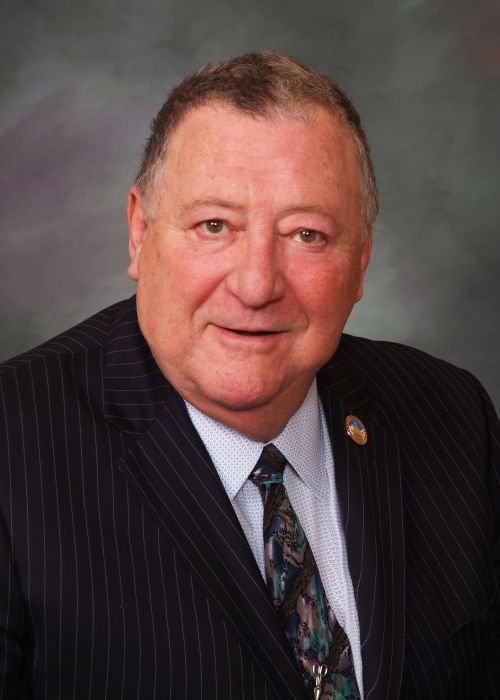
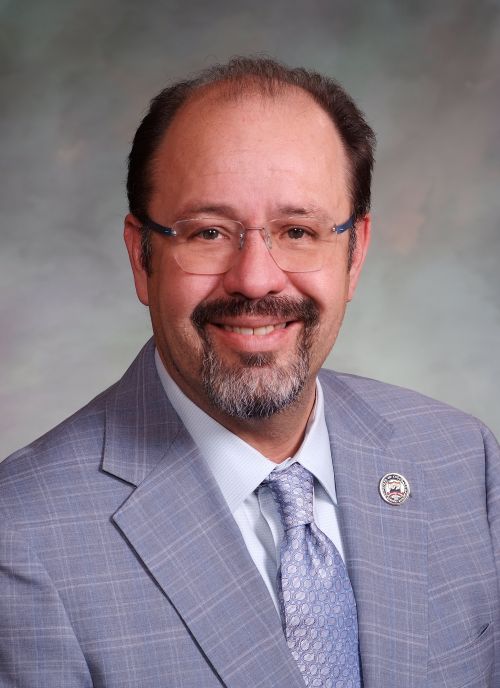
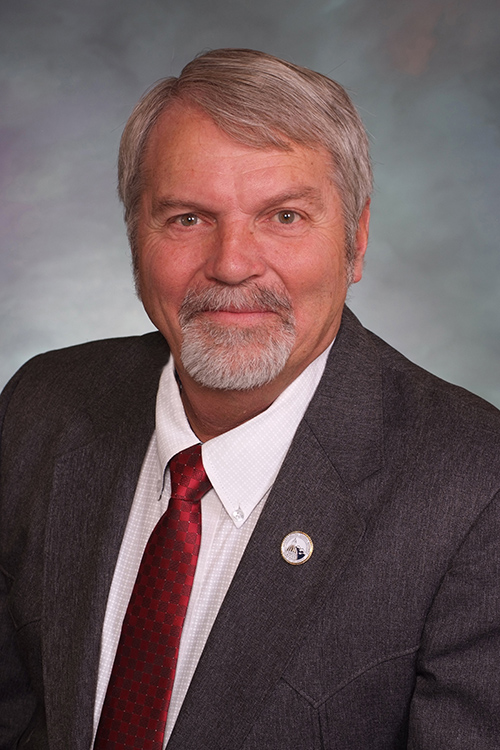
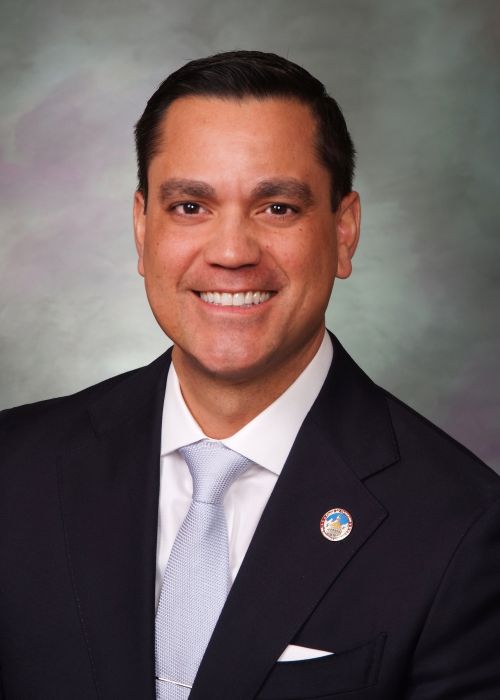
3 primary · 53 co-sponsors
Sponsors
Role
Legislator
Party
State
District
P

Kenny Nguyen
DDemocratic
P

Lisa Cutter
DDemocratic
P

Meg Froelich
DDemocratic
Co
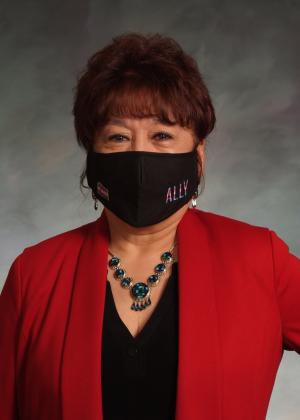
Adrienne Benavidez
DDemocratic
Co

Alex Valdez
DDemocratic
Co

Amy Paschal
DDemocratic
Co

Andy Boesenecker
DDemocratic
Co

Barbara Kirkmeyer
RRepublican
Co

Brianna Titone
DDemocratic
Co

Cathy Kipp
DDemocratic
Co

Chad Clifford
DDemocratic
Co

Chris Kolker
DDemocratic
Co
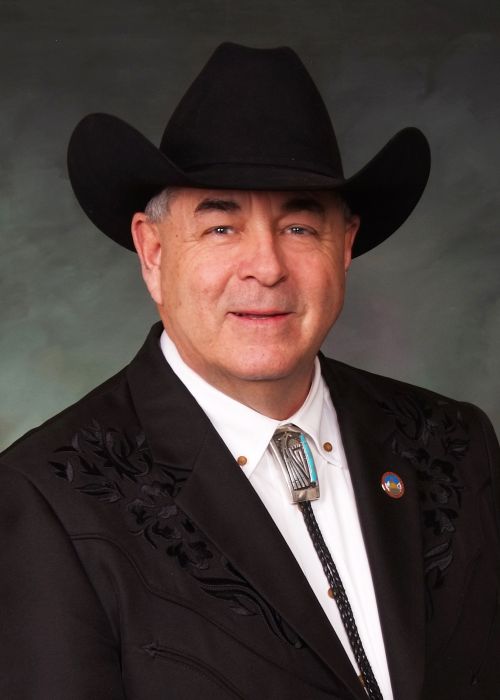
Cleave Simpson
RRepublican

































Ask Maddy
·
AI policy assistant
Ask Maddy about HB 1318
Scope: CO
Hi! I can help you understand HB 1318. What would you like to know?
Try one of these
i
Maddy answers using official bill text and legislative records. Always verify before sharing.
Sources cited inline