

Extreme Temperatures Worker Protections
Summary
The act requires the division of labor standards and statistics (division) in the department of labor and employment (CDLE), on or before January 15, 2027, to begin collecting data concerning temperature-related injury or illness or temperature-related emergencies at worksites and to:Develop a platform on CDLE's website where users can provide information about occurrences of temperature-related injury or illness or temperature-related emergencies;Obtain from the department of public health and environment (CDPHE) data that CDPHE has collected through its syndromic surveillance program regarding occurrences of heat-related injury or illness or heat-related emergencies; andCollect similar data from the division of workers' compensation and the Center for Improving Value in Health Care. On or before July 1, 2028, the act requires the division to develop a model temperature-related injury and illness prevention plan (TRIIPP) that thereafter must be made available on CDLE's website. Additionally, the act requires the division to review and update the model TRIIPP at least every 5 years and grants the division authority to adopt rules necessary to implement the act. $76,651 is appropriated from the general fund to the department for use by the division.(Note: This summary applies to this bill as enacted.)
Bill status
signed
all 5 stages cleared
Introduction
Feb 2026
Committee Review
May 2026
House Passage
Jun 2026
Senate Passage
Jun 2026
Signed into Law
Jun 2026
Introduced Feb 19, 2026
Signed Jun 4, 2026
Maddy AI version diff · 6 comparisons
What changed between versions
Final Act
→
Signed Act
·
4 edits
·
Jun 4, 2026
MODERATE
This bill updates the definitions of temperature-related injuries to explicitly include cold-related conditions alongside heat-related ones, ensuring workers face protections for both extremes. It expands the legislative declaration to highlight climate change impacts and the state's history of tracking these injuries. The text also clarifies that 'principal' employers include the state and local governments, extending protections to public sector workers.
Scope change
The bill's scope is broadened to cover cold-related injuries and illnesses in addition to heat-related ones, and it explicitly includes state and local government employees under the definition of 'principal'.
DEFINITION
The definition of 'temperature-related injury or illness' was updated to explicitly include both cold-related and heat-related conditions, whereas the previous text focused primarily on heat.
The definition of 'principal' was expanded to include the state of Colorado, local governments, and their political subdivisions, ensuring public sector workers are covered.
The definition of 'shade' was slightly modified to clarify that objects must not cast a shadow in the blocked sunlight area, refining the standard for what constitutes adequate shade.
REQUIREMENT
New legislative findings were added stating that climate change is exacerbating extreme weather events and that existing protections are inadequate for workers exposed to both extreme heat and cold.
Floor votes
How they voted
This bill passed the Senate by voice vote (no roll call recorded).
Full legislative history
Actions timeline
Total actions
16
Key actions
7
Committee
4
Amendments
1
Jun 4, 2026
Signed into law
Governor Signed
executive
Jun 3, 2026
Upper · Passed
Signed by the President of the Senate
upper
Jun 3, 2026
Lower · Passed
Signed by the Speaker of the House
lower
May 13, 2026
Introduced
House Considered Senate Amendments - Result was to Concur - Repass
lower
May 13, 2026
Upper · Passed
Senate Third Reading Passed - No Amendments
upper
May 11, 2026
Upper · Passed
Senate Committee on Appropriations Refer Amended to Senate Committee of the Whole
upper
May 7, 2026
Committee
Senate Committee on State, Veterans, & Military Affairs Refer Unamended to Appropriations
upper
May 5, 2026
Introduced
Introduced In Senate - Assigned to State, Veterans, & Military Affairs
upper
May 5, 2026
Lower · Passed
House Third Reading Passed - No Amendments
lower
May 4, 2026
Lower · Passed
House Committee on Appropriations Refer Amended to House Committee of the Whole
lower
Mar 18, 2026
Committee
House Committee on Health & Human Services Refer Amended to Appropriations
lower
Feb 19, 2026
Introduced
Introduced In House - Assigned to Health & Human Services
lower
4 primary · 34 co-sponsors
Sponsors
Role
Legislator
Party
State
District
P
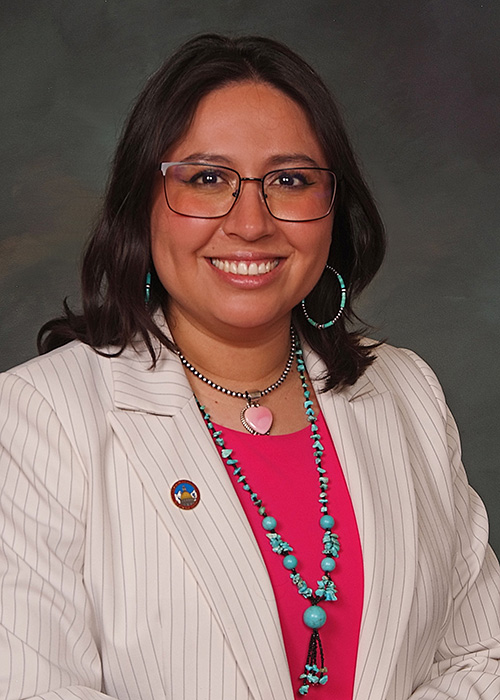
Elizabeth Velasco
DDemocratic
P
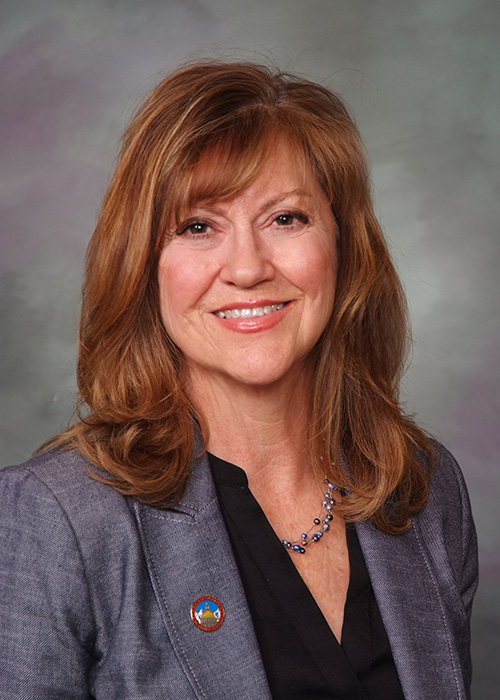
Lisa Cutter
DDemocratic
P
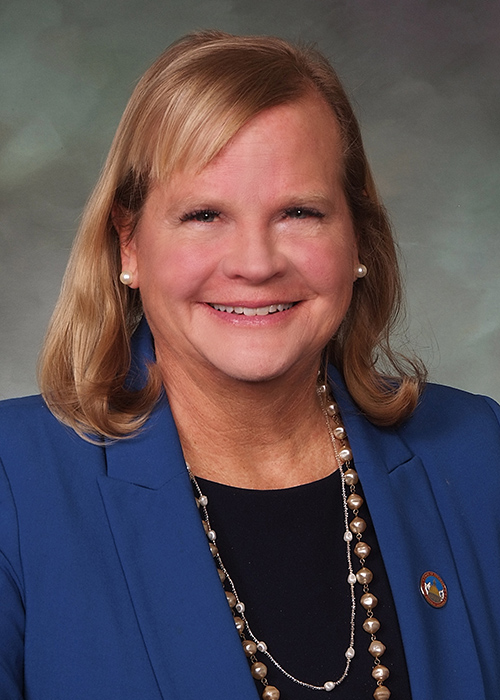
Meg Froelich
DDemocratic
P
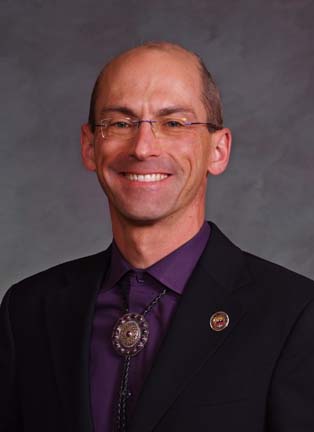
Mike Weissman
DDemocratic
Co
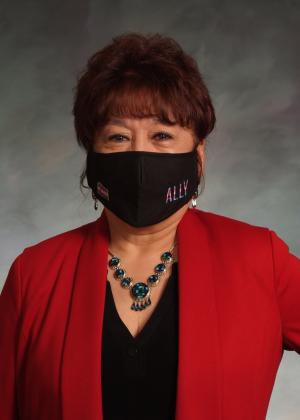
Adrienne Benavidez
DDemocratic
Co
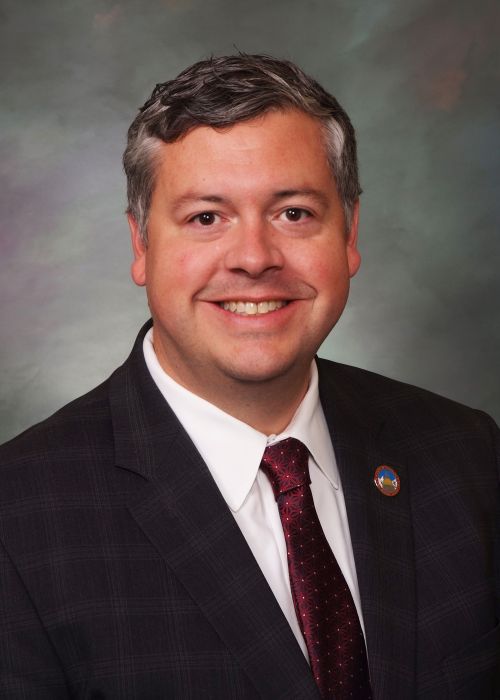
Alex Valdez
DDemocratic
Co

Andy Boesenecker
DDemocratic
Co
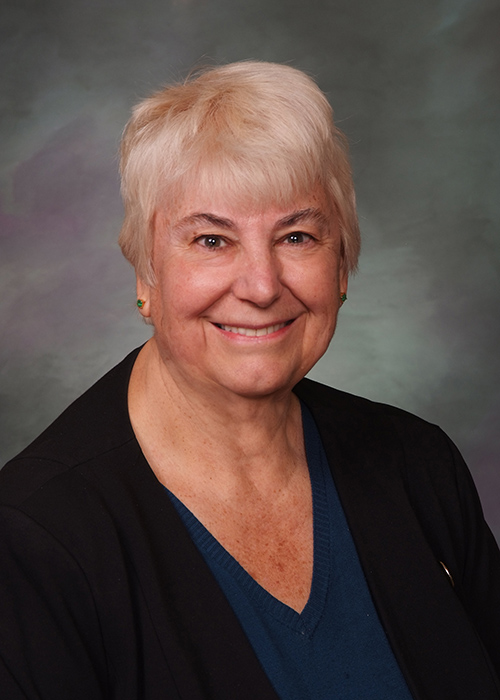
Cathy Kipp
DDemocratic
Co
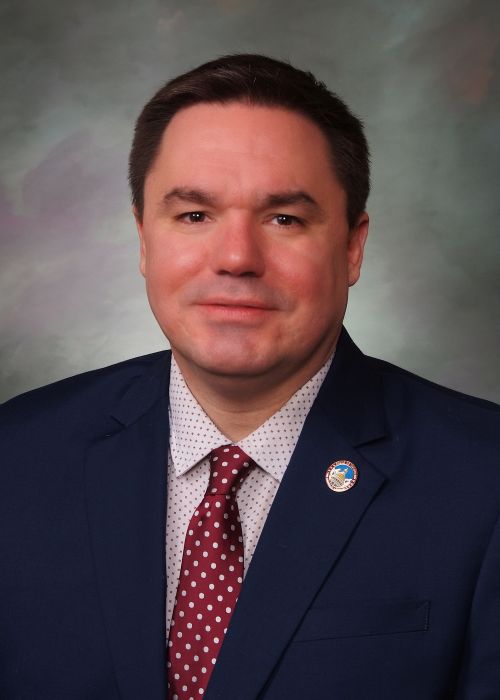
Chad Clifford
DDemocratic
Co
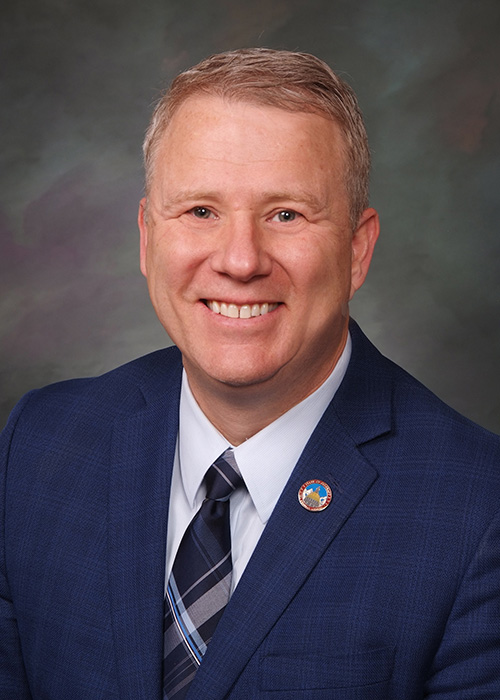
Chris Kolker
DDemocratic
Co

Emily Sirota
DDemocratic
Co
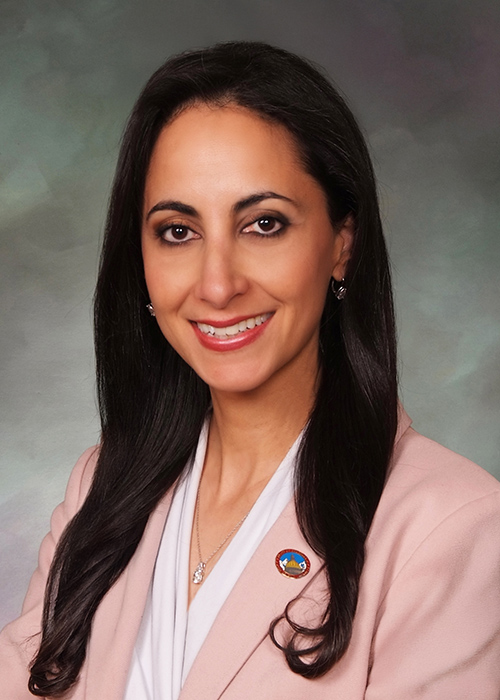
Iman Jodeh
DDemocratic
Co
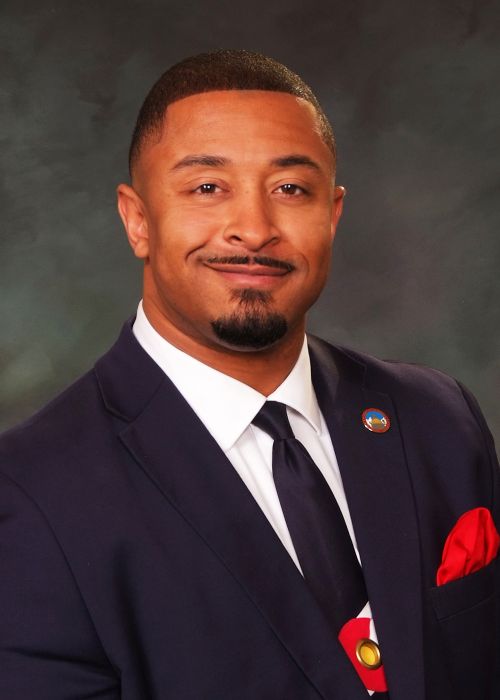
James Coleman
DDemocratic
Co
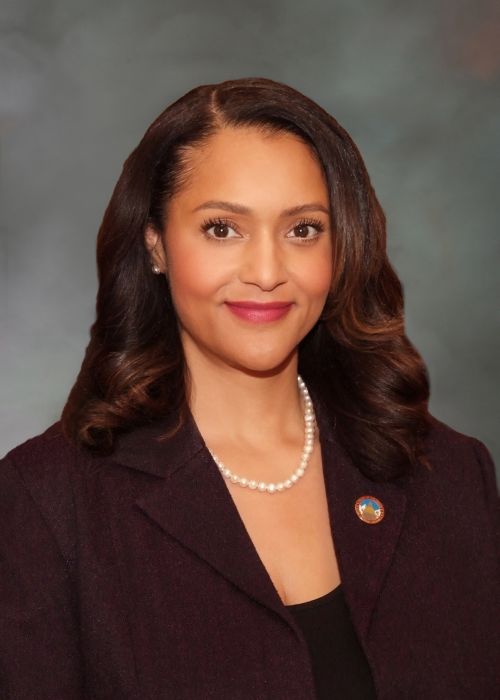
Jamie Jackson
DDemocratic






Ask Maddy
·
AI policy assistant
Ask Maddy about HB 1272
Scope: CO
Hi! I can help you understand HB 1272. What would you like to know?
Try one of these
i
Maddy answers using official bill text and legislative records. Always verify before sharing.
Sources cited inline