HB 1257 Colorado House · 2026 Regular Session

Local Regulation of Massage Facilities

Summary
Current law defines illicit massage businesses as businesses that engage in massage but also engage in human-trafficking-related offenses. The act expands the definition of 'illicit massage business' to include a massage business that engages in crimes other than human-trafficking-related offenses.     Current law states that if a local government adopts a resolution or ordinance to establish business licensure requirements or to prohibit unlawful activities relating to illicit massage businesses, the resolution or ordinance must not be more restrictive than the requirements set forth in state law. The act removes this limitation. The act clarifies that a local government may adopt a resolution or ordinance for the purposes of deterring illicit massage businesses; preventing human trafficking; protecting legitimate massage therapy businesses; and safeguarding public health, safety, and welfare. The act also allows a local government to impose local licensing requirements in addition to those requirements prescribed in state law.     Current law allows a local government to impose an administrative fee not to exceed $150 for issuing or renewing a license. The act removes the $150 cap on such fees. If a local government imposes an administrative fee, the amount of the fee must be reasonably related to the costs of the local government in administering the resolution or ordinance and the licensing of massage facilities. The fee must not exceed $500 unless necessary to cover the local government's costs of administering the resolution or ordinance and licensing the massage facilities in its jurisdiction. The fee may be adjusted yearly for inflation or deflation. Current law exempts businesses that held licenses before August 10, 2022, from the administrative fees. The act removes this exemption.     The act allows a local government to establish additional grounds to deny, revoke, or suspend a license. The act provides that, if a local government establishes business licensure requirements for massage facilities, the resolution or ordinance adopted by the local government must prohibit ownership of massage facilities by the types of persons that are prohibited from ownership in current law.     Current law states that preventing the operation of illicit massage businesses is a matter of statewide concern, and licensing and regulation of massage facilities is a matter of mixed statewide and local concern. The act states that preventing the operation of illicit massage businesses is a matter of mixed statewide and local concern.     The act requires a local government that adopts a resolution or ordinance related to the local regulation of massage facilities on or after August 13, 2026, to consider the impacts of the resolution or ordinance on legitimate massage therapy businesses and conduct outreach to massage therapists and massage therapy businesses in the local government's jurisdiction and statewide organizations of massage therapists.(Note: This summary applies to this bill as enacted.)
Bill status signed all 5 stages cleared
Introduction
Feb 2026
Committee Review
Mar 2026
House Passage
Apr 2026
Senate Passage
Apr 2026
Signed into Law
May 2026
Introduced Feb 18, 2026 Signed May 4, 2026
Maddy AI version diff · 5 comparisons

What changed between versions

Rerevised Final Act · 5 edits · Apr 24, 2026
MODERATE
This bill updates the legal framework for regulating massage facilities in Colorado to better combat human trafficking while protecting legitimate businesses. It clarifies that local governments have broad authority to create licensing requirements and background check mandates without being restricted by previous state caps on fees or exemptions for existing businesses. The changes also mandate that local governments consider the impact on legitimate businesses and conduct outreach before enforcing new regulations.
Scope change
The bill expands the scope of local regulation by removing previous limitations on administrative fees and exemptions for businesses licensed before 2022, while explicitly requiring local governments to protect legitimate massage therapy businesses during enforcement.
REQUIREMENT

Removed the $150 cap on administrative fees that local governments can charge for massage facility licenses.

Added a new requirement for local governments to conduct outreach to legitimate massage therapists and consider the impact of new regulations on them before adopting ordinances.

Added specific findings declaring that illicit massage operations pose dangers to the public, including risks of human trafficking, illegal building improvements, and zoning violations.

ELIGIBILITY

Removed the exemption that allowed businesses holding licenses before August 10, 2022, to avoid paying administrative fees.

DEFINITION

Expanded the legislative declaration to explicitly recognize massage therapy as a legitimate health-care profession and clarify that illicit businesses are those engaging in human trafficking or other offenses.

Floor votes · Senate Apr 2, 2026 · House Mar 12, 2026

How they voted

620
Passed · 2 other
Total votes 64
Apr 2, 2026
D Democratic42
41 Yea 1
97% Yea
R Republican22
21 Yea 1
95% Yea
Vote distribution
All Yea All Nay Mixed No data
Full legislative history

Actions timeline

Total actions
17
Key actions
8
Committee
2
Amendments
2
May 4, 2026
Signed into law
Governor Signed
executive
Apr 28, 2026
Upper · Passed
Signed by the President of the Senate
upper
Apr 28, 2026
Lower · Passed
Signed by the Speaker of the House
lower
Apr 2, 2026
Introduced
House Considered Senate Amendments - Result was to Concur - Repass
lower
Apr 2, 2026
Senate · Passed
Senate Vote: pass (62-0-2)
senate
Apr 1, 2026
Introduced
House Considered Senate Amendments - Result was to Laid Over Daily
lower
Mar 31, 2026
Upper · Passed
Senate Third Reading Passed - No Amendments
upper
Mar 25, 2026
Upper · Passed
Senate Committee on Local Government & Housing Refer Amended - Consent Calendar to Senate Committee of the Whole
upper
Mar 17, 2026
Introduced
Introduced In Senate - Assigned to Local Government & Housing
upper
Mar 12, 2026
Lower · Passed
House Third Reading Passed - No Amendments
lower
Mar 3, 2026
Lower · Passed
House Committee on Transportation, Housing & Local Government Refer Amended to House Committee of the Whole
lower
Feb 18, 2026
Introduced
Introduced In House - Assigned to Transportation, Housing & Local Government
lower
4 primary · 19 co-sponsors

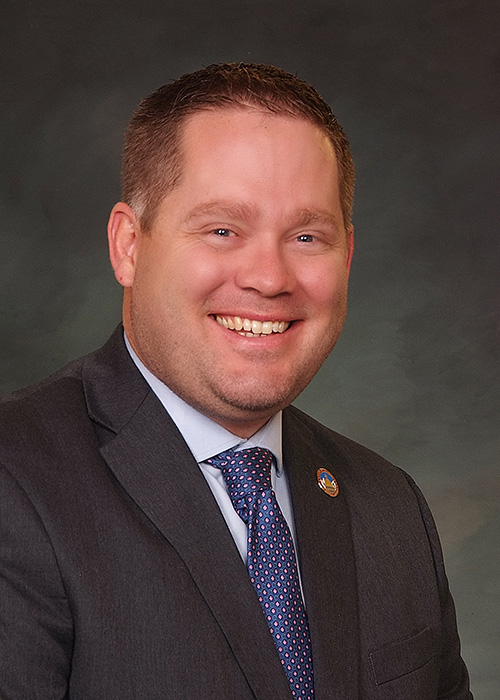
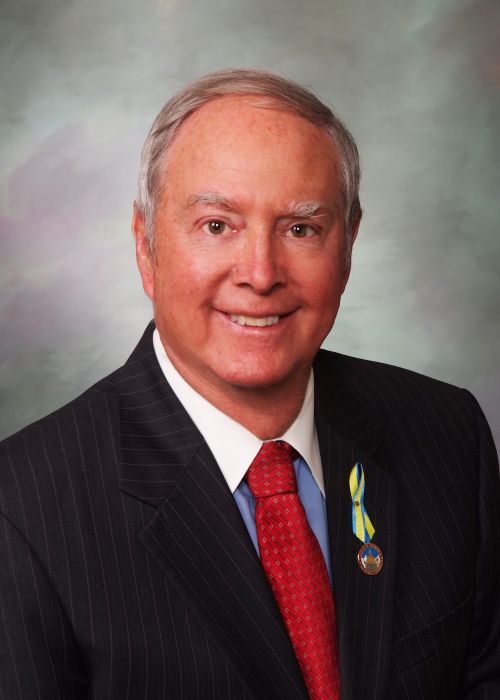
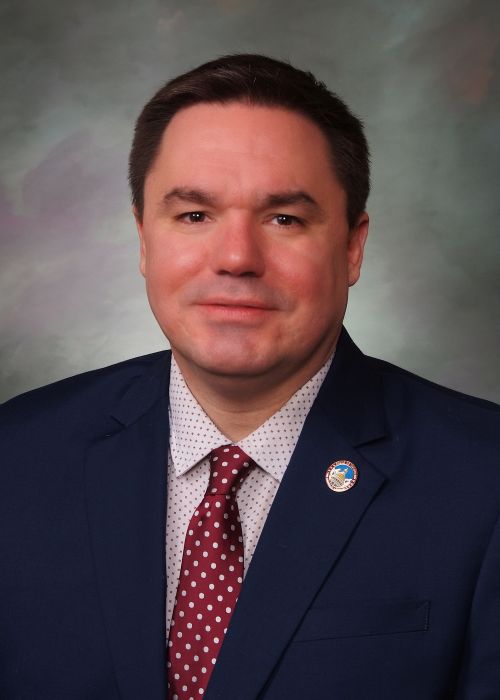
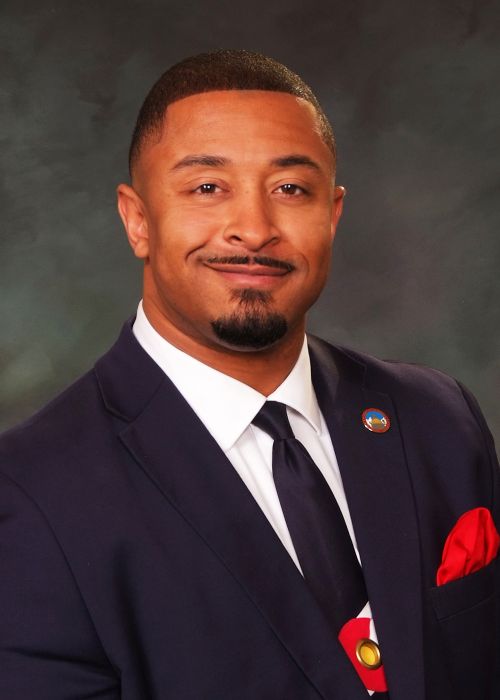
Sponsors