

Retail Theft Prevention Program
Summary
The act creates the retail theft prevention advisory board (advisory board) in the division of criminal justice in the department of public safety (division). The advisory board shall develop procedures related to applying for a grant for the retail theft prevention grant program created in the act; review grant applications and award grants; collect and analyze data related to organized felony-level retail theft and gift card fraud trends, losses, prosecutions, and outcomes in Colorado; and develop policy recommendations in coordination with state and federal partners on how to combat felony-level retail theft and gift card fraud. The act creates the retail theft prevention grant program in the division. A state or local law enforcement agency, district attorney's office, multijurisdictional or regional task force, or tribal law enforcement agency may apply for a grant, which may be used to investigate and prosecute organized felony-level retail theft or gift card fraud; develop or invest in technology, data-sharing systems, and analytics tools to analyze felony-level retail theft and gift card fraud metrics; provide training and technical assistance to retailers or law enforcement agencies; and develop prevention and deterrence initiatives specific to felony-level retail theft and gift card fraud. Beginning January 2028, the act requires the division to annually report during its 'SMART Act' hearing certain information about the retail theft prevention grant program and felony-level retail theft in Colorado. The act extends the crime prevention through safer streets grant program (safer streets grant program) to November 1, 2029, and makes the retail theft prevention grant program an allowable use of the money appropriated for the safer streets grant program. On July 1, 2027, $200,000 of the unexpended and unencumbered money remaining at the end of the 2026-27 state fiscal year from the money appropriated for the safer streets grant program reverts to the general fund.(Note: This summary applies to this bill as enacted.)
Bill status
signed
all 5 stages cleared
Introduction
Feb 2026
Committee Review
May 2026
House Passage
Jun 2026
Senate Passage
Jun 2026
Signed into Law
Jun 2026
Introduced Feb 4, 2026
Signed Jun 3, 2026
Maddy AI version diff · 5 comparisons
What changed between versions
Rerevised
→
Final Act
·
5 edits
·
Jun 2, 2026
MODERATE
The bill was updated from a 'Rerevised' draft to a 'Final Act' version, incorporating specific amendments to establish a Retail Theft Prevention Advisory Board and a grant program within the Division of Criminal Justice. The changes formalize the board's composition by adding specific voting members representing local law enforcement, the public defender, and local government, alongside non-voting industry representatives. The final text also clarifies the board's duties, including setting grant deadlines and awarding funds to investigate organized retail theft and gift card fraud.
Scope change
The bill's scope was expanded to include a broader range of stakeholders in the advisory board, specifically adding voting seats for local law enforcement, the public defender, and local government, while retaining non-voting seats for retailer representatives.
REQUIREMENT
Added specific voting members to the advisory board, including representatives for local law enforcement, the public defender, and local government.
Added non-voting advisory members representing large retailers, small retailers, and nonprofit retailers.
TIMELINE
Set a specific deadline for board appointments by September 1, 2026, and the first meeting by November 1, 2026.
DEFINITION
Formally defined key terms such as 'Eligible Entity' and 'Felony-Level Retail Theft' to clarify who can apply for grants and what crimes are covered.
FISCAL
Established the grant program's funding sources and allowed funds to be used for investigation, technology, training, and prevention initiatives.
Floor votes
How they voted
This bill passed the Senate by voice vote (no roll call recorded).
Full legislative history
Actions timeline
Total actions
14
Key actions
7
Committee
3
Jun 3, 2026
Signed into law
Governor Signed
executive
Jun 2, 2026
Upper · Passed
Signed by the President of the Senate
upper
Jun 2, 2026
Lower · Passed
Signed by the Speaker of the House
lower
May 12, 2026
Upper · Passed
Senate Third Reading Passed - No Amendments
upper
May 11, 2026
Upper · Passed
Senate Committee on Judiciary Refer Unamended to Senate Committee of the Whole
upper
May 11, 2026
Introduced
Introduced In Senate - Assigned to Judiciary
upper
May 11, 2026
Lower · Passed
House Third Reading Passed - No Amendments
lower
May 8, 2026
Lower · Passed
House Committee on Appropriations Refer Amended to House Committee of the Whole
lower
Mar 24, 2026
Committee
House Committee on Judiciary Refer Amended to Appropriations
lower
Feb 4, 2026
Introduced
Introduced In House - Assigned to Judiciary
lower
4 primary · 30 co-sponsors
Sponsors
Role
Legislator
Party
State
District
P

Barbara Kirkmeyer
RRepublican
P
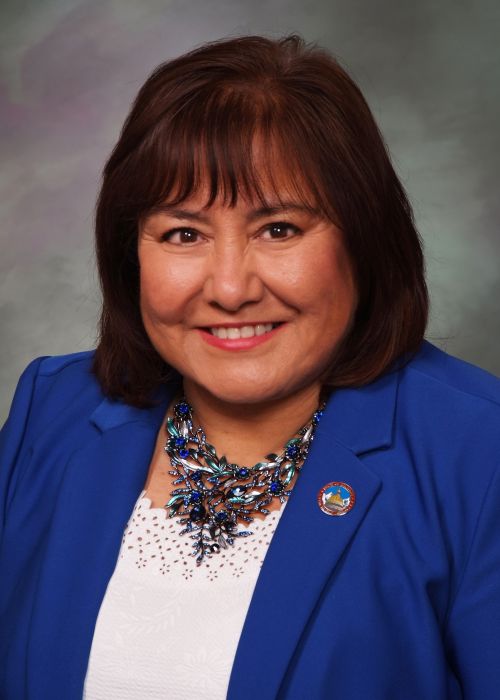
Cecelia Espenoza
DDemocratic
P

Dan Woog
RRepublican
P
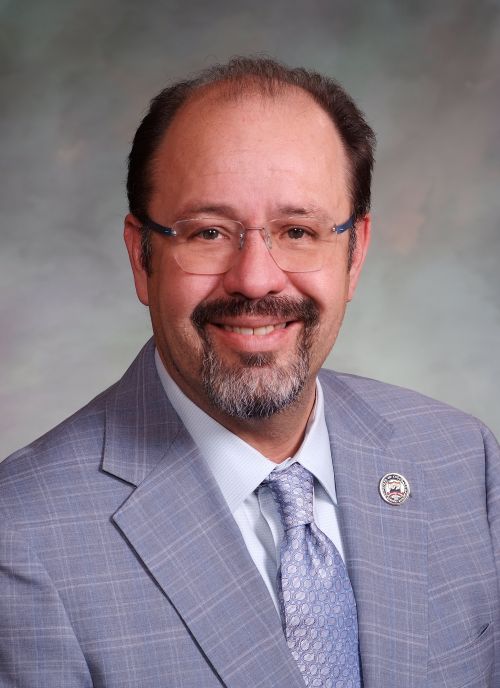
Robert Rodriguez
DDemocratic
Co

Ava Flanell
RRepublican
Co

Byron Pelton
RRepublican
Co
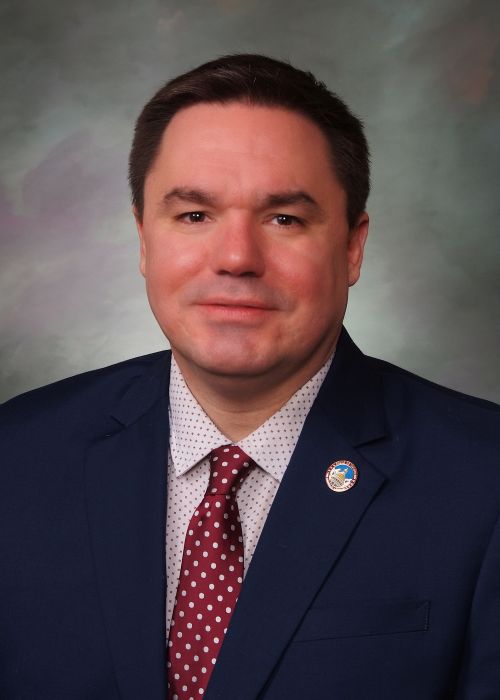
Chad Clifford
DDemocratic
Co
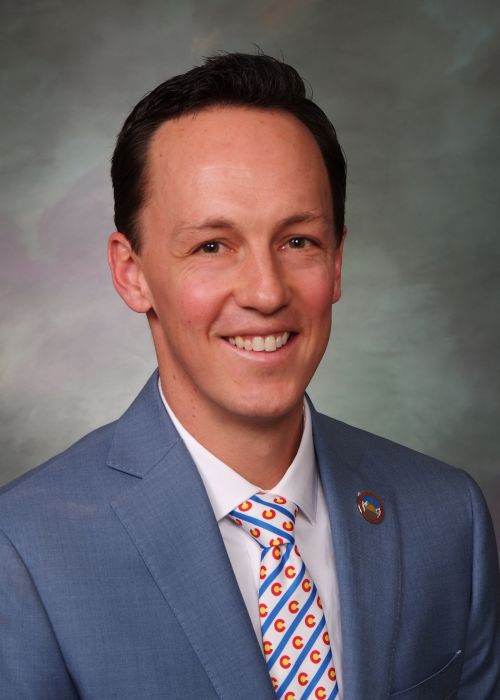
Dylan Roberts
DDemocratic
Co

Gretchen Rydin
DDemocratic
Co
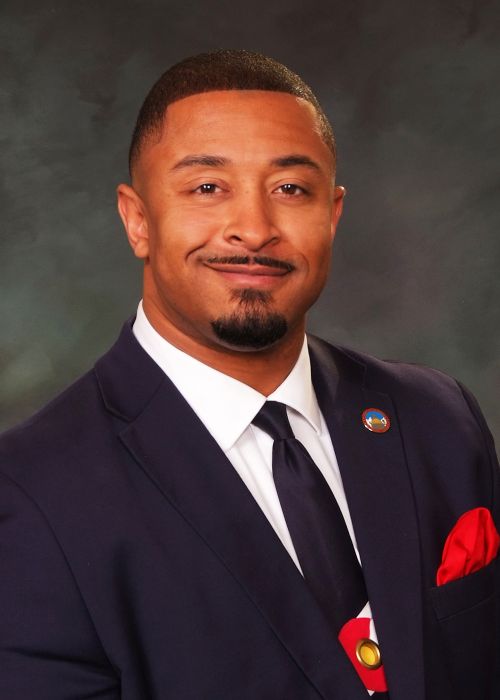
James Coleman
DDemocratic
Co
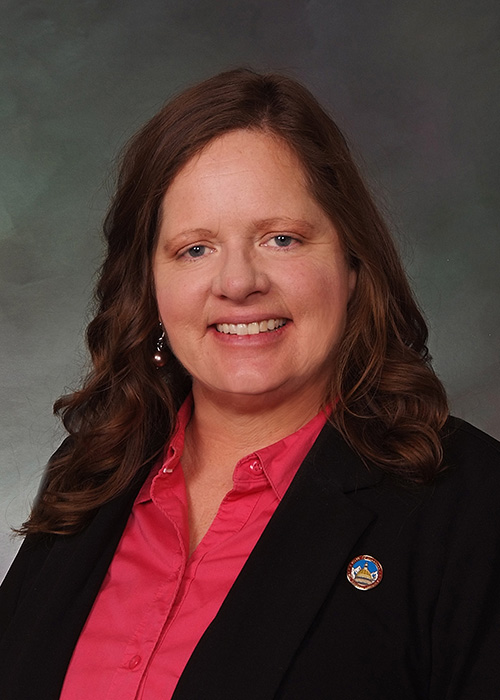
Janice Marchman
DDemocratic
Co
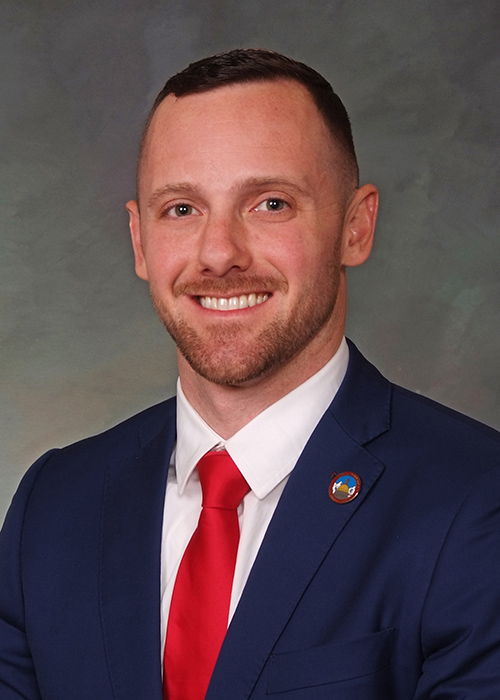
Jarvis Caldwell
RRepublican
Co

Jeff Bridges
DDemocratic
Co

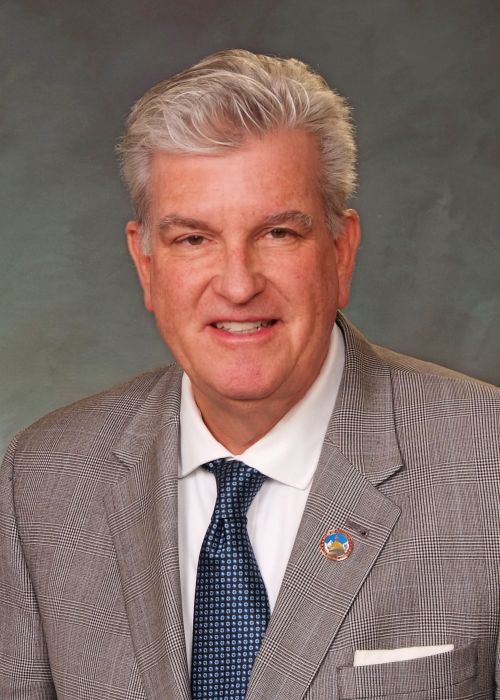
Jessie Danielson
DDemocratic







Ask Maddy
·
AI policy assistant
Ask Maddy about HB 1138
Scope: CO
Hi! I can help you understand HB 1138. What would you like to know?
Try one of these
i
Maddy answers using official bill text and legislative records. Always verify before sharing.
Sources cited inline