HB 1013 Colorado House · 2026 Regular Session

Ratio Utility Billing Systems

Summary
The act authorizes landlords to use a ratio utility billing system to allocate utility charges for a residential premises to individual tenants. The landlord may charge tenants a utility bill using a ratio utility billing system if the landlord meets certain requirements, such as:The aggregate amount billed to all tenants does not exceed the amount charged by the utility provider for service to the entire residential premises;The landlord does not apply a fee or other charge to the tenant in addition to the actual charges from the utility;The utility costs for common areas or shared facilities are excluded from the charges to the tenant; andThe landlord clearly discloses the method of allocation for the dwelling unit in the tenant's rental agreement.     For residential premises constructed with permits applied for on or after July 1, 2027, utility service must be metered directly by the utility provider or by a submeter.(Note: This summary applies to this bill as enacted.)
Bill status signed all 5 stages cleared
Introduction
Jan 2026
Committee Review
Mar 2026
House Passage
Mar 2026
Senate Passage
Mar 2026
Signed into Law
Mar 2026
Introduced Jan 14, 2026 Signed Mar 26, 2026
Maddy AI version diff · 5 comparisons

What changed between versions

Rerevised Final Act · 4 edits · Mar 17, 2026
MODERATE
This bill amends Colorado law to allow landlords to use a ratio utility billing system to allocate utility costs to tenants, provided they meet specific transparency and cost-limit requirements. The changes clarify that landlords cannot charge fees above actual utility costs and must exclude common area costs from tenant allocations. Additionally, the bill introduces a new mandate requiring gas, electric, and water meters for residential units constructed after July 1, 2027.
Scope change
The bill expands the scope of utility billing regulations by explicitly authorizing ratio utility billing systems under strict conditions and adding a new requirement for submetering in newly constructed residential properties.
REQUIREMENT

Landlords are now explicitly permitted to use a ratio utility billing system to allocate utility costs among tenants, provided they do not apply markups, exclude common area costs, and clearly disclose the allocation method in rental agreements.

The prohibition on charging tenants fees above actual utility costs was refined to clarify that exceptions exist only for specific statutory fee structures, ensuring landlords cannot add administrative surcharges.

TIMELINE

A new requirement mandates that gas, electric, and water service in residential premises with permits applied for on or after July 1, 2027, must be metered directly or via a submeter.

TECHNICAL

Minor formatting updates were made to the bill text, including changes to the sponsor list and the header indicating the bill's final passage status.

Floor votes · Senate Mar 12, 2026 · House Feb 18, 2026

How they voted

4022
Passed · 2 other
Total votes 64
Mar 12, 2026
D Democratic42
40 Yea 2
95% Yea
R Republican22
22 Nay
100% Nay
Vote distribution
All Yea All Nay Mixed No data
Full legislative history

Actions timeline

Total actions
16
Key actions
8
Committee
2
Amendments
2
Mar 26, 2026
Signed into law
Governor Signed
executive
Mar 19, 2026
Upper · Passed
Signed by the President of the Senate
upper
Mar 18, 2026
Lower · Passed
Signed by the Speaker of the House
lower
Mar 12, 2026
Introduced
House Considered Senate Amendments - Result was to Concur - Repass
lower
Mar 12, 2026
Senate · Passed
Senate Vote: pass (40-22-2)
senate
Mar 11, 2026
Introduced
House Considered Senate Amendments - Result was to Laid Over Daily
lower
Mar 10, 2026
Upper · Passed
Senate Third Reading Passed - No Amendments
upper
Mar 5, 2026
Upper · Passed
Senate Committee on Business, Labor, & Technology Refer Amended - Consent Calendar to Senate Committee of the Whole
upper
Feb 19, 2026
Introduced
Introduced In Senate - Assigned to Business, Labor, & Technology
upper
Feb 18, 2026
Lower · Passed
House Third Reading Passed - No Amendments
lower
Feb 4, 2026
Lower · Passed
House Committee on Business Affairs & Labor Refer Unamended to House Committee of the Whole
lower
Jan 14, 2026
Introduced
Introduced In House - Assigned to Business Affairs & Labor
lower
5 primary · 24 co-sponsors

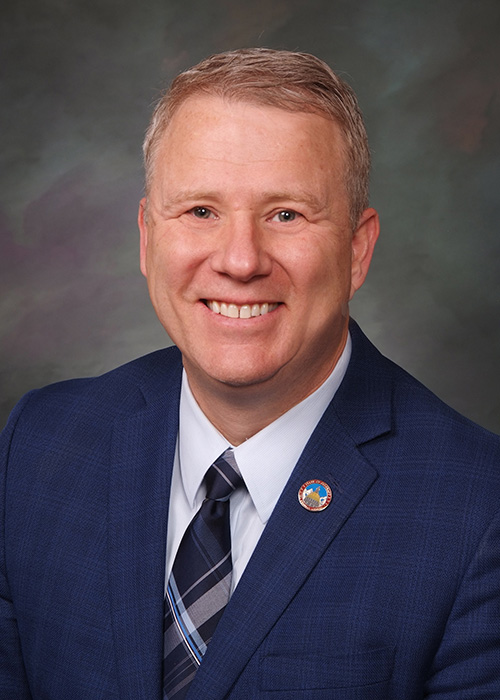
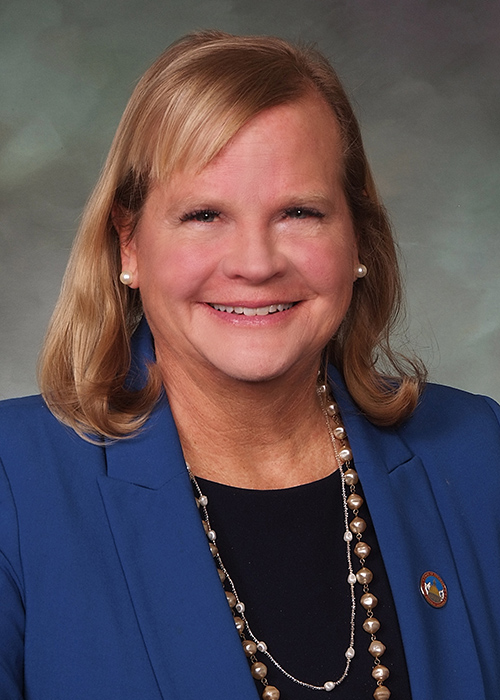
Sponsors