

Postsecondary & Workforce Readiness Programs
Summary
The act creates a postsecondary and workforce readiness funding model that includes 3 types of funding: Start-up funding, innovation grant funding, and sustain funding. The state board of education (state board) is authorized to adopt rules concerning these funding sources. For the 2025-26 budget year through the 2027-28 budget year, the department of education (department) shall use a formula to determine each local education provider's start-up funding, which is used for eligible expenses that are associated with developing and implementing a postsecondary and workforce readiness program. Start-up funding gradually phases out and repeals after the 2027-28 budget year. Beginning in the 2028-29 budget year, innovation grant funding through the John W. Buckner postsecondary and workforce readiness innovation grant program, created in the department, is available to certain local education providers for eligible expenses that are associated with developing and implementing a postsecondary and workforce readiness program that aligns with the state's workforce demands or priorities. Local education providers that are required to adopt a priority improvement plan or a turnaround plan, or that authorize schools that are required to adopt a priority improvement plan or turnaround plan, for the current or prior budget year, or local education providers that demonstrate, or authorize a school that demonstrates, a low level of attainment on the postsecondary workforce readiness indicator for the prior school year are eligible for innovation grant funding. Beginning in the 2026-27 budget year, sustain funding is used to reimburse local education providers' expenses for students who, in the preceding budget year, successfully satisfied postsecondary credit, industry-recognized credential, or work-based learning requirements. For the 2026-27 budget year, of total sustain funding, a certain percentage is available for reimbursing postsecondary credit attainment, reimbursing industry-recognized credentials, and reimbursing work-based learning. For the 2027-28 budget year, and budget years thereafter, the state board may adjust the percentages for these categories. Beginning in January 2028, the department is required to annually report, as a part of its "SMART Act" presentation, findings regarding the effectiveness of consolidating the postsecondary and workforce readiness programs and funding streams. By November 1, 2029, the department is required to report to the joint budget committee findings regarding the effectiveness of consolidating the postsecondary and workforce readiness programs and funding streams. The act repeals the accelerating students through concurrent enrollment program and career development success program after the 2025-26 budget year. Upon passage, the act repeals the: Concurrent enrollment expansion and innovation grant program; and John W. Buckner automatic enrollment in advanced courses grant program. The act requires the department to convene a working group that includes educators to report its findings and recommendations to the joint budget committee concerning the effectiveness of the teacher retention and preparation program (TREP) and the pathways in technology (p-tech) early college high schools. For the 2025-26 state fiscal year, the act: Adjusts appropriations made in the 2025-26 long bill; Appropriates $5,018,715 from the general fund and state education fund to the department for use by student pathways to implement the act; and Appropriates $160,073 from the general fund to the department for use by school quality and support to implement the act.(Note: This summary applies to this bill as enacted.)
Bill status
signed
all 5 stages cleared
Introduction
Apr 2025
Committee Review
May 2025
Senate Passage
Apr 2025
House Passage
May 2025
Signed into Law
May 2025
Introduced Apr 25, 2025
Signed May 23, 2025
Maddy AI version diff · 8 comparisons
What changed between versions
Revised (05/01/2025)
→
PA1 (04/29/2025)
·
3 edits
MINOR
The bill text was updated to reflect a committee version (PREAMENDED) rather than a revised version, indicating that amendments have not yet been adopted on second reading. The substantive content shows additions to Section 101 regarding postsecondary and workforce readiness programs, specifically adding new eligibility criteria for students (earning 12 credits, participating in work-based learning) and including findings from a financial study about equitable access to programs.
Scope change
The bill's scope was expanded to include specific student eligibility criteria and findings from a financial study regarding equitable access to postsecondary and workforce readiness programs.
ELIGIBILITY
Added new eligibility criteria for students, including earning 12 postsecondary credits toward a credential or participating in high-quality work-based learning opportunities.
DEFINITION
Added findings from a postsecondary and workforce readiness financial study, noting that only 54% of the state's 178 school districts participated in funded programs, highlighting inequitable access.
TECHNICAL
Changed document status from 'REVISED' to 'PREAMENDED' and updated dates to reflect committee amendments not yet adopted on second reading.
Floor votes · Senate Apr 30, 2025 · House May 2, 2025
How they voted
32–2
Passed
Total votes 34
Apr 30, 2025
D
Democratic22
100% Yea
R
Republican12
83% Yea
Vote distribution
All Yea
All Nay
Mixed
No data
Full legislative history
Actions timeline
Total actions
13
Key actions
5
Committee
2
Amendments
1
May 23, 2025
Signed into law
Governor Signed
executive
May 5, 2025
Introduced
Senate Considered House Amendments - Result was to Concur - Repass
upper
May 2, 2025
Lower · Passed
House Third Reading Passed - No Amendments
lower
May 1, 2025
Lower · Passed
House Committee on Appropriations Refer Amended to House Committee of the Whole
lower
Apr 30, 2025
Introduced
Introduced In House - Assigned to Appropriations
lower
Apr 30, 2025
Upper · Passed
Senate Third Reading Passed - No Amendments
upper
Apr 29, 2025
Upper · Passed
Senate Committee on Appropriations Refer Amended to Senate Committee of the Whole
upper
Apr 25, 2025
Introduced
Introduced In Senate - Assigned to Appropriations
upper
4 primary · 19 co-sponsors
Sponsors
Role
Legislator
Party
State
District
P

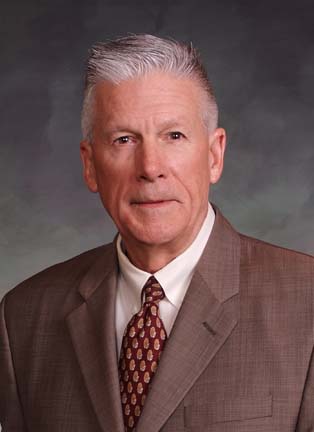
Barbara Kirkmeyer
RRepublican
P

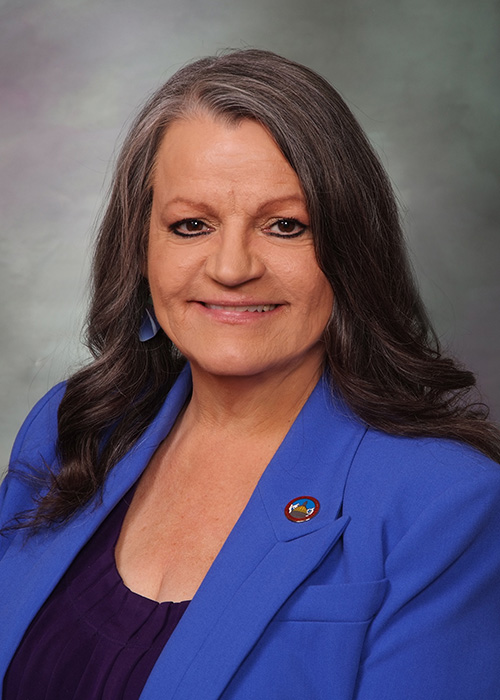
Emily Sirota
DDemocratic
P

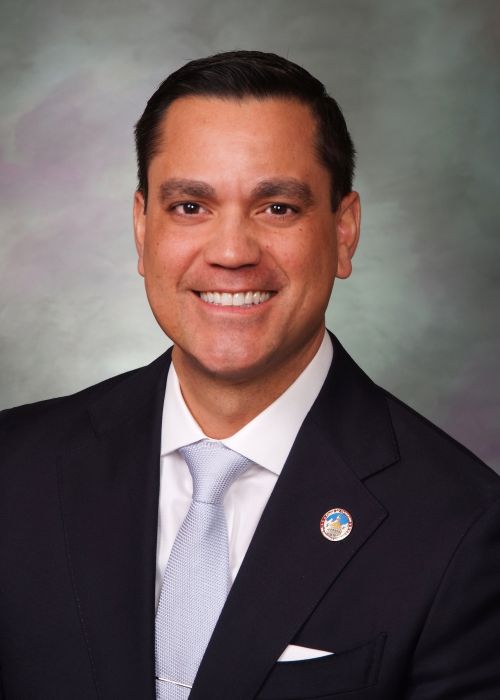
Jeff Bridges
DDemocratic
P
SB
Shannon Bird
DDemocratic
Co
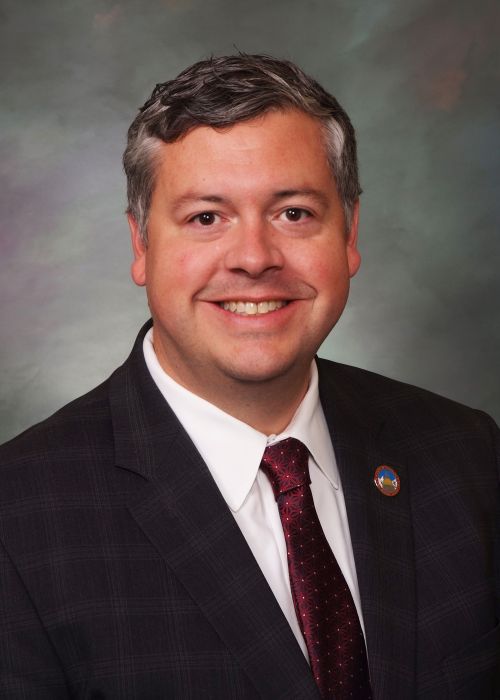
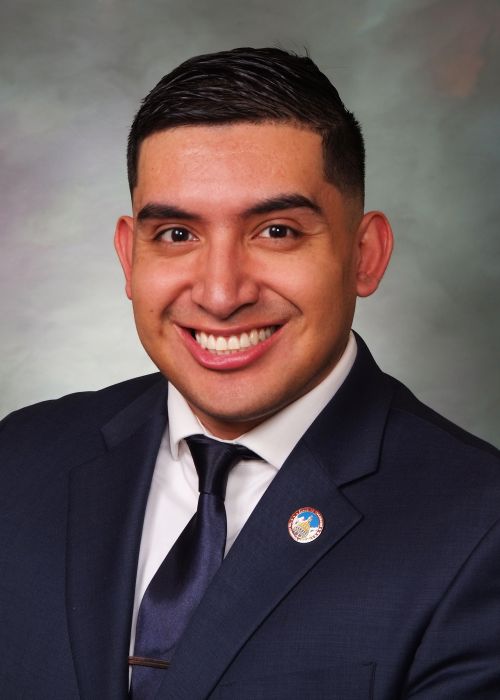
Alex Valdez
DDemocratic
Co

Andy Boesenecker
DDemocratic
Co

Eliza Hamrick
DDemocratic
Co

Jacque Phillips
DDemocratic
Co
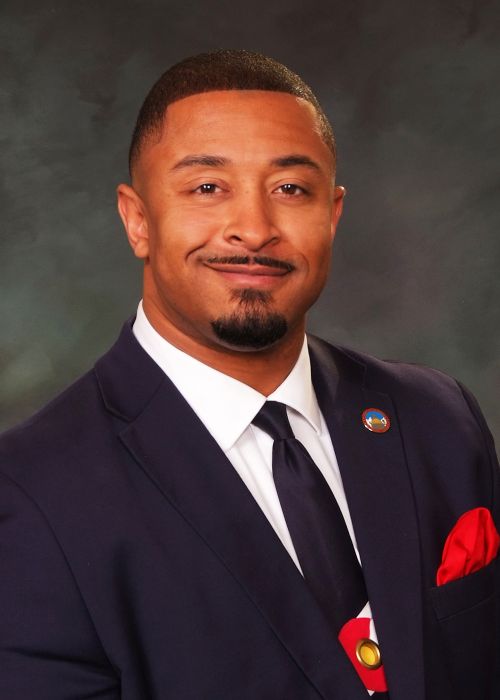
James Coleman
DDemocratic
Co
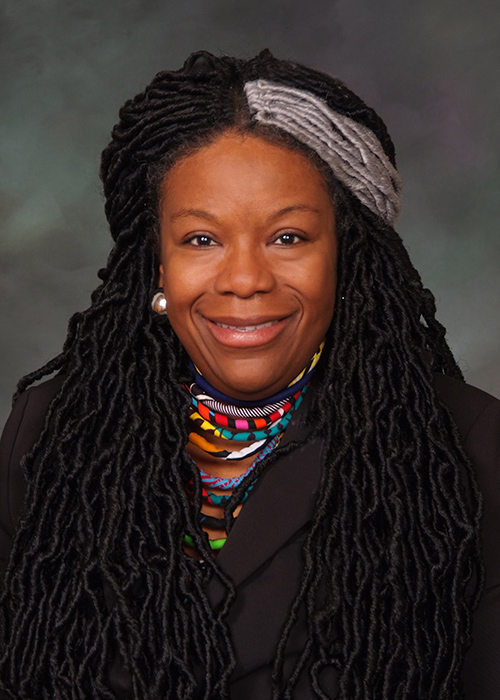
Jennifer Bacon
DDemocratic
Co

Judy Amabile
DDemocratic
Co
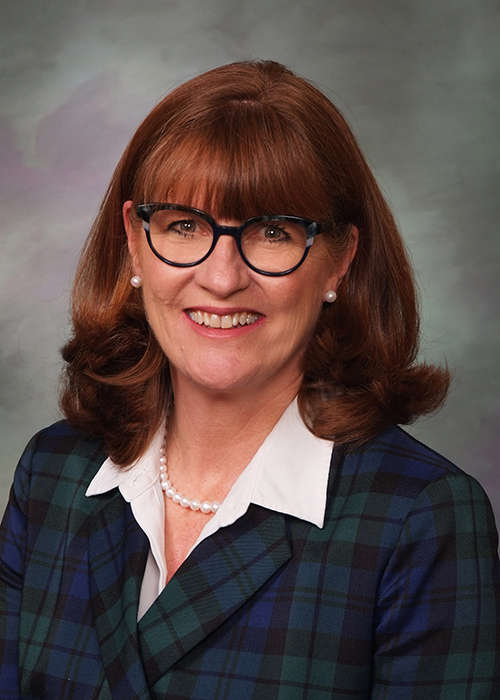
Julie McCluskie
DDemocratic
Co
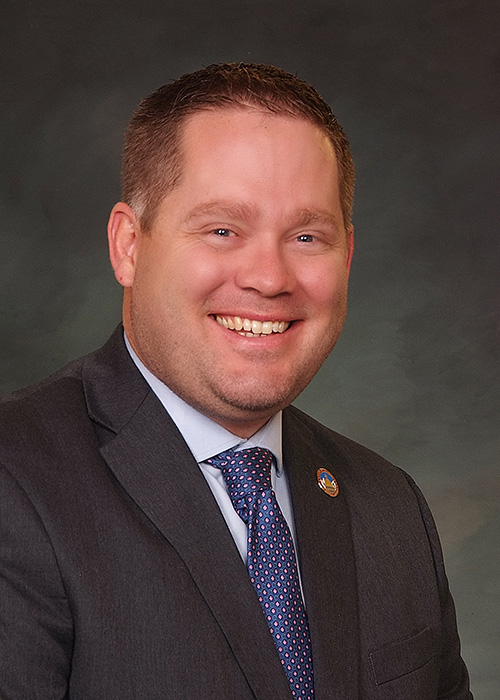
Kyle Mullica
DDemocratic
Co

Lesley Smith
DDemocratic

Ask Maddy
·
AI policy assistant
Ask Maddy about SB 25-315
Scope: CO
Hi! I can help you understand SB 25-315. What would you like to know?
Try one of these
i
Maddy answers using official bill text and legislative records. Always verify before sharing.
Sources cited inline