

Stabilization Payments for Safety Net Providers
Summary
The act creates the provider stabilization fund for use by Colorado department of health care policy and financing (department) to distribute provider stabilization payments to safety net providers who provide services to low-income, uninsured individuals on a sliding-fee schedule or at no cost. Provider stabilization payments will be distributed to eligible safety net providers based on the proportion of low-income, uninsured individuals that an individual provider serves in comparison to the total number of low-income, uninsured individuals served by all eligible safety net providers. The state treasurer is directed to make an interest-free loan of interest earnings on the principal in the unclaimed property trust fund (UPTF) and, if the interest earnings are insufficient, from the principal of the UPTF as well, to the provider stabilization fund as follows: $25 million for the 2025-26 state fiscal year; $20 million for the 2026-27 state fiscal year; and $15 million for each of the 2027-28, 2028-29, and 2029-30 state fiscal years. The act specifies that the loan from the UPTF to the provider stabilization fund is an interfund loan that is not classified as revenue, is booked as an interfund receivable or payable, is not state fiscal year spending or state revenues, and does not count against the state fiscal year spending limit or the excess state revenues cap. The department is directed to repay the loan by January 1, 2045, but in any year in which state revenues do not exceed the limit on state fiscal year spending, the department must present to the joint budget committee a proposal to repay all or a portion of the loan at an earlier time, and to the extent possible, the general assembly must prioritize repaying the loan starting in the 2030-31 state fiscal year or sooner if funds are available. The provider stabilization fund also consists of any money the general assembly appropriates, transfers, or credits to the fund and any gifts, grants, or donations the department may receive for the fund. The act directs the department to leverage money in the provider stabilization fund to obtain federal matching money. The act establishes a provider stabilization fund advisory board (advisory board) to assist the department in implementing and administering the provider stabilization fund. The department, with assistance from the advisory board, is required to submit an annual report on the provider stabilization fund to specified committees, the governor, and the medical services board in the department. The advisory board is scheduled for repeal on September 1, 2031, and is subject to a sunset review by the department of regulatory agencies before the repeal. The act appropriates $25,000,000 from the provider stabilization fund to the department to implement the act, allocated as follows: $138,505 for personal services to administer the act, including 2.0 FTE; $15,900 for operating expenses; and $24,845,595 for provider stabilization payments to eligible safety net providers.(Note: This summary applies to this bill as enacted.)
Bill status
signed
all 5 stages cleared
Introduction
Apr 2025
Committee Review
May 2025
Senate Passage
Apr 2025
House Passage
May 2025
Signed into Law
May 2025
Introduced Apr 14, 2025
Signed May 28, 2025
Maddy AI version diff · 9 comparisons
What changed between versions
PA1 (04/23/2025)
→
PA2 (04/25/2025)
·
2 edits
MINOR
The bill's purpose statement was updated to clarify that maximizing federal funds is a means to stabilize the healthcare safety net, rather than a standalone goal. Additionally, a new provision was added to authorize an appropriation, indicating that funding will be explicitly allocated to support provider stabilization payments.
Scope change
The bill now explicitly includes an appropriation authorization, expanding its scope to include direct funding mechanisms for safety net providers.
SCOPE
The purpose statement was revised to clarify that maximizing federal funds is a tool for stabilizing the healthcare safety net, rather than an independent objective.
FISCAL
A new provision was added to authorize an appropriation, establishing a direct funding mechanism to support provider stabilization payments.
Floor votes · Senate Apr 28, 2025 · House May 7, 2025
How they voted
32–1
Passed · 1 other
Total votes 34
Apr 28, 2025
D
Democratic22
95% Yea
R
Republican12
91% Yea
Vote distribution
All Yea
All Nay
Mixed
No data
Full legislative history
Actions timeline
Total actions
16
Key actions
5
Committee
5
Amendments
1
May 28, 2025
Signed into law
Governor Signed
executive
May 7, 2025
Introduced
Senate Considered House Amendments - Result was to Concur - Repass
upper
May 7, 2025
Lower · Passed
House Third Reading Passed - No Amendments
lower
May 5, 2025
Lower · Passed
House Committee on Appropriations Refer Amended to House Committee of the Whole
lower
Apr 30, 2025
Committee
House Committee on Health & Human Services Refer Amended to Appropriations
lower
Apr 29, 2025
Introduced
Introduced In House - Assigned to Health & Human Services
lower
Apr 28, 2025
Upper · Passed
Senate Third Reading Passed with Amendments - Floor
upper
Apr 25, 2025
Upper · Passed
Senate Committee on Appropriations Refer Amended to Senate Committee of the Whole
upper
Apr 22, 2025
Committee
Senate Committee on Finance Refer Amended to Appropriations
upper
Apr 17, 2025
Committee
Senate Committee on Health & Human Services Refer Unamended to Finance
upper
Apr 14, 2025
Introduced
Introduced In Senate - Assigned to Health & Human Services
upper
4 primary · 52 co-sponsors
Sponsors
Role
Legislator
Party
State
District
P

Barbara Kirkmeyer
RRepublican
P

Kyle Brown
DDemocratic
P
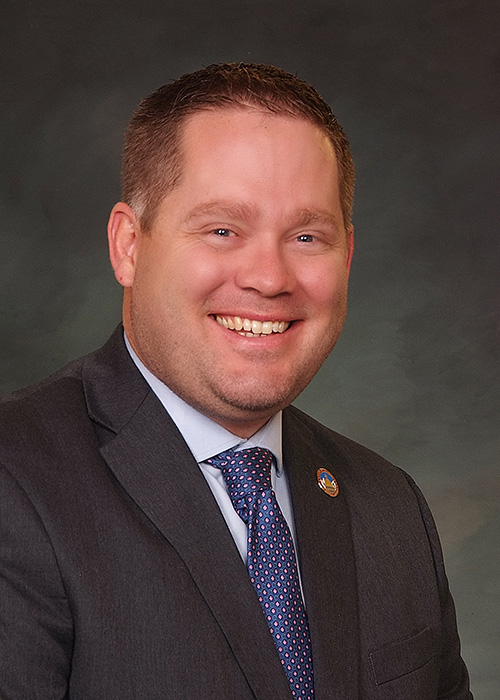
Kyle Mullica
DDemocratic
P
SB
Shannon Bird
DDemocratic
Co
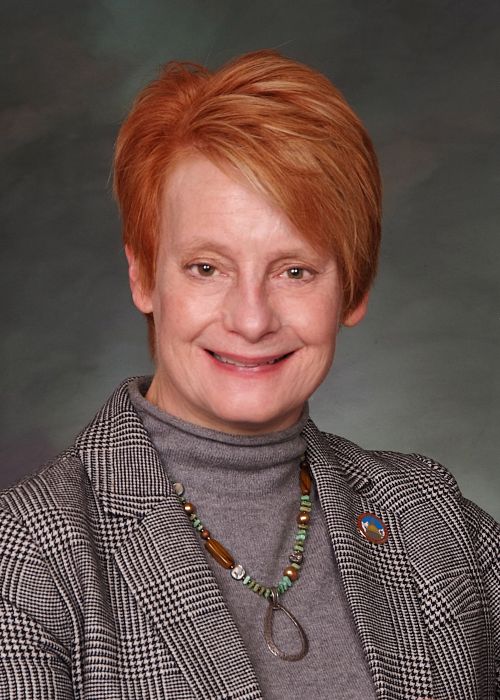
Amy Paschal
DDemocratic
Co

Andy Boesenecker
DDemocratic
Co

Brianna Titone
DDemocratic
Co

Byron Pelton
RRepublican
Co

Cathy Kipp
DDemocratic
Co
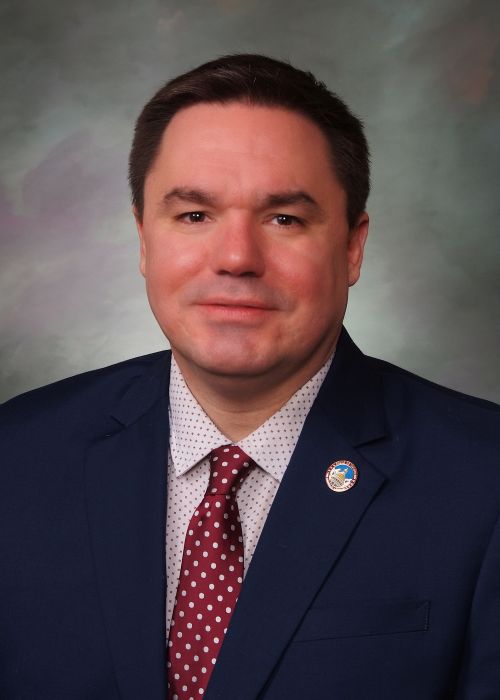
Chad Clifford
DDemocratic
Co
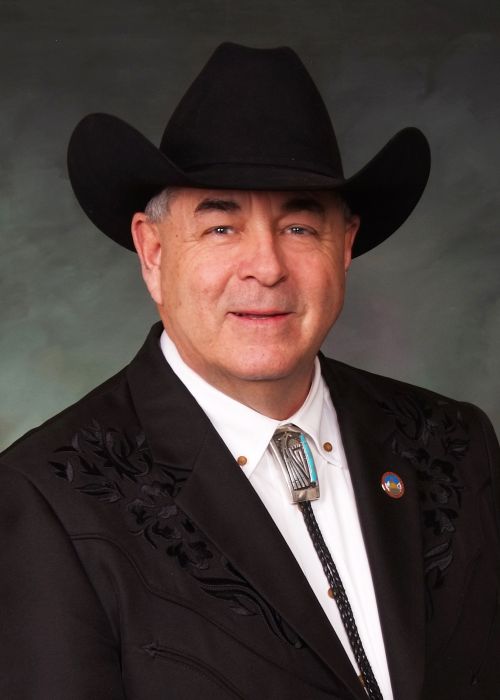
Cleave Simpson
RRepublican
Co

Dafna Michaelson Jenet
DDemocratic
Co
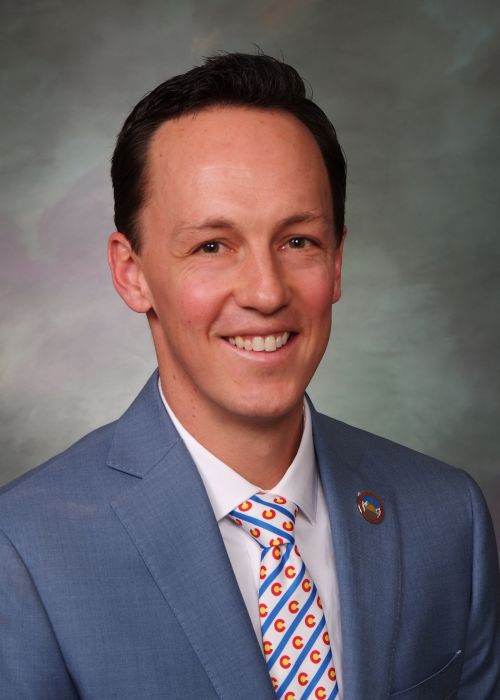
Dylan Roberts
DDemocratic
Co

Emily Sirota
DDemocratic




















Ask Maddy
·
AI policy assistant
Ask Maddy about SB 25-290
Scope: CO
Hi! I can help you understand SB 25-290. What would you like to know?
Try one of these
i
Maddy answers using official bill text and legislative records. Always verify before sharing.
Sources cited inline