

Protect Civil Rights Immigration Status
Summary
Under current law, a person who does not have lawful immigration status must submit an affidavit stating that they have either applied for lawful presence or will apply for lawful presence as soon as they are eligible when the person is applying for: In-state student tuition classification; or An identification document pursuant to the "Colorado Road and Community Safety Act". The act repeals these affidavit requirements. Under current law, a jail custodian is generally required to release a defendant within 6 hours after the defendant has been granted a personal recognizance bond or is prepared to post bond. The act prohibits the jail custodian from delaying a defendant's release for the purpose of an immigration enforcement operation. Under current law, a criminal defendant may petition a court to vacate a guilty plea to a class 1 or class 2 misdemeanor or a municipal offense if the criminal defendant alleges that: They were not adequately advised by defense counsel of adverse immigration consequences of a guilty plea; They did not knowingly, intelligently, or voluntarily waive the right to counsel because they were not advised that the right to counsel includes the right to be advised regarding immigration consequences of a guilty plea; or The guilty plea was constitutionally infirm. The act extends the ability to petition a court to vacate a guilty plea to class 3 misdemeanors as classified at the time of the plea, traffic misdemeanors, and petty offenses. Under current law, state agencies and state agencies' employees are: Required to comply with provisions that limit the disclosure, collection, and access to a person's personal identifying information; Required to annually report certain information concerning requests made for a person's personal identifying information; and Subject to a civil penalty for an intentional violation of the requirements. The act extends these requirements concerning a person's personal identifying information to political subdivisions and their employees, and repeals the annual reporting requirements concerning requests made for a person's personal identifying information. The act creates minimum requirements for a public child care center, public school, local education provider, public institution of higher education, public health-care facility, or publicly supported library concerning information collection and access to its information, facilities, or property, and creates a civil penalty for an intentional violation of certain requirements. Under current law, a peace officer who is employed by the Colorado state patrol, a municipal police department, a town marshal's office, or a county sheriff's office is prohibited from arresting or detaining an individual on the basis of a civil immigration detainer request. The act extends the prohibition to a peace officer designated by the state as a peace officer. Under current law, a probation officer or probation department employee is prohibited from providing personal information about an individual to federal immigration authorities. The act extends this prohibition to a pretrial officer or pretrial services office employee. The act prohibits a military force from another state from entering the state without the governor's permission, unless the military force from another state is acting on federal orders and acting as a part of the United States armed forces. The act adds and amends definitions concerning "precise geolocation data" within the "Colorado Privacy Act". The act prohibits a controller from selling a consumer's sensitive data without obtaining consent. Under current law, a person is not subject to civil arrest while the person is present at a courthouse or on its environs, or while going to, attending, or coming from a court proceeding. The act extends this to while a person is receiving treatment in a related facility, which is a facility where programs and services are provided in relation to a court proceeding. For the 2025-26 state fiscal year, the act decreases an appropriation made in the long bill of: $54,900 from the general fund to the department of labor and employment; and $3,393 from the general fund to the department of personnel.(Note: This summary applies to this bill as enacted.)
Bill status
signed
all 5 stages cleared
Introduction
Apr 2025
Committee Review
Apr 2025
Senate Passage
Apr 2025
House Passage
May 2025
Signed into Law
May 2025
Introduced Apr 4, 2025
Signed May 23, 2025
Maddy AI version diff · 10 comparisons
What changed between versions
PA1 (04/09/2025)
→
PA2 (04/11/2025)
·
4 edits
MODERATE
This bill expands protections against immigration-based civil rights violations by adding an appropriation for enforcement and extending the prohibition on detaining individuals based on civil immigration detainers to include all peace officers designated by the state, not just those employed by specific agencies. The bill also repeals affidavit requirements for undocumented individuals applying for in-state tuition or identification documents.
Scope change
The bill's scope expanded to include all state-designated peace officers in the prohibition against civil immigration detainer enforcement, and added funding provisions for implementation.
FISCAL
Added language regarding an appropriation to fund the measures preventing civil rights violations based on immigration status.
ENFORCEMENT
Extended the prohibition on arresting or detaining individuals based on civil immigration detainer requests to include all peace officers designated by the state, not just those employed by specific agencies.
REQUIREMENT
Repealed affidavit requirements that undocumented individuals had to submit when applying for in-state student tuition classification or identification documents.
SCOPE
Added in-state student tuition classification and identification documents to the list of services requiring affidavits from undocumented individuals, which are now being repealed.
Floor votes · Senate Apr 21, 2025 · House May 3, 2025
How they voted
34–0
Passed
Total votes 34
Apr 21, 2025
D
Democratic22
100% Yea
R
Republican12
100% Yea
Vote distribution
All Yea
All Nay
Mixed
No data
Full legislative history
Actions timeline
Total actions
17
Key actions
5
Committee
4
Amendments
1
May 23, 2025
Signed into law
Governor Signed
executive
May 5, 2025
Introduced
Senate Considered House Amendments - Result was to Concur - Repass
upper
May 3, 2025
Lower · Passed
House Third Reading Passed - No Amendments
lower
Apr 30, 2025
Lower · Passed
House Committee on Appropriations Refer Amended to House Committee of the Whole
lower
Apr 28, 2025
Committee
House Committee on Judiciary Refer Amended to Appropriations
lower
Apr 23, 2025
Introduced
Introduced In House - Assigned to Judiciary
lower
Apr 21, 2025
Upper · Passed
Senate Third Reading Passed with Amendments - Floor
upper
Apr 11, 2025
Upper · Passed
Senate Committee on Appropriations Refer Amended to Senate Committee of the Whole
upper
Apr 8, 2025
Committee
Senate Committee on State, Veterans, & Military Affairs Refer Amended to Appropriations
upper
Apr 4, 2025
Introduced
Introduced In Senate - Assigned to State, Veterans, & Military Affairs
upper
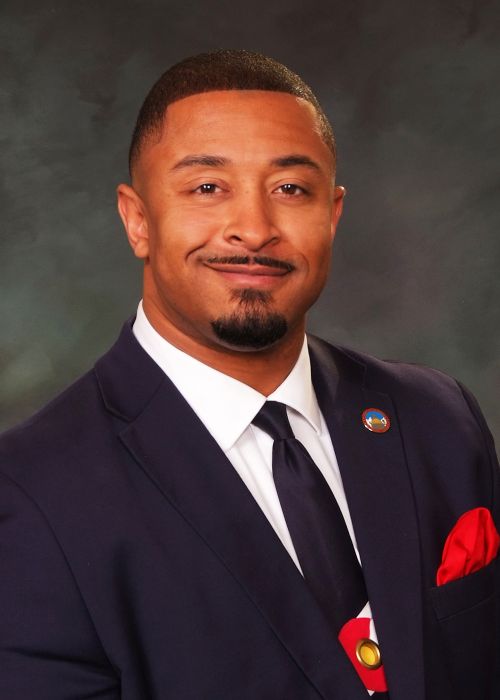
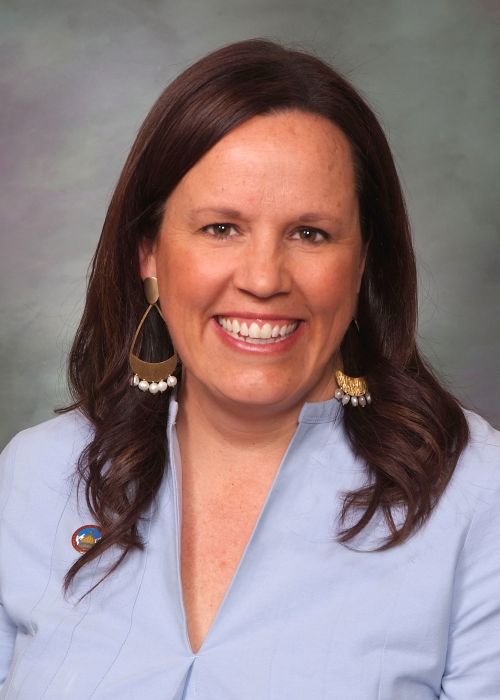
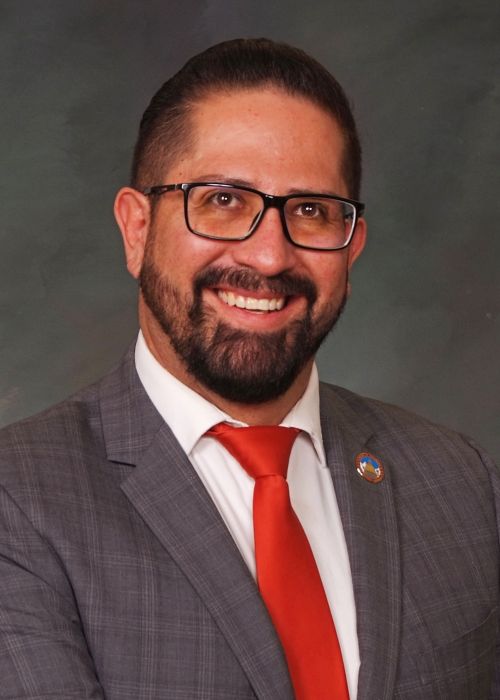
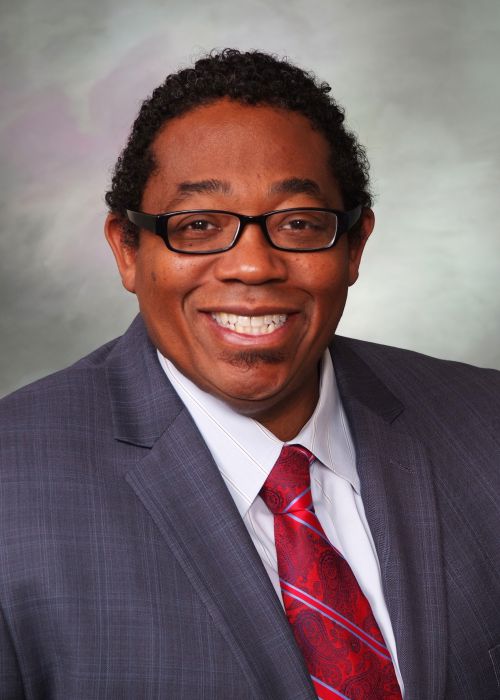
4 primary · 53 co-sponsors
Sponsors
Role
Legislator
Party
State
District
P
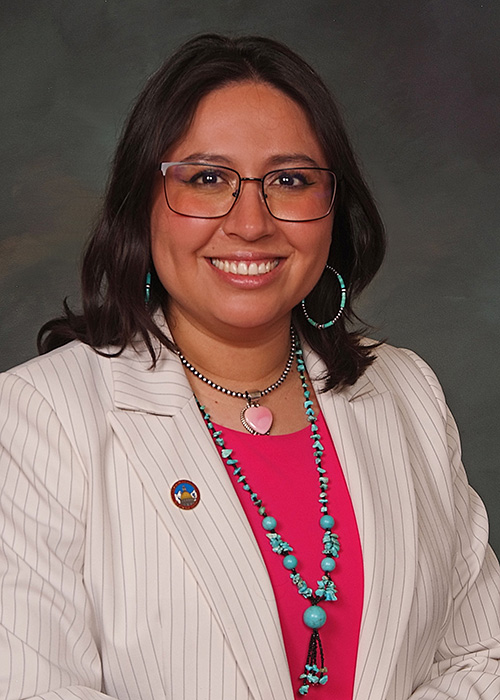
Elizabeth Velasco
DDemocratic
P
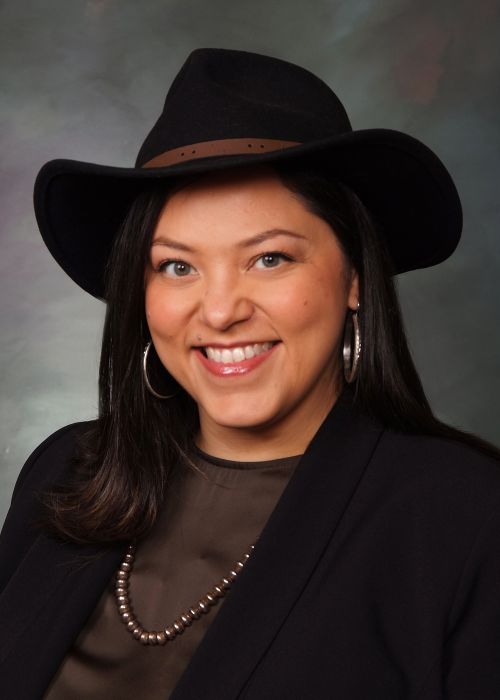
Julie Gonzales
DDemocratic
P
LG
Lorena García
DDemocratic
P

Mike Weissman
DDemocratic
Co

Alex Valdez
DDemocratic
Co

Amy Paschal
DDemocratic
Co

Andy Boesenecker
DDemocratic
Co

Brianna Titone
DDemocratic
Co

Cathy Kipp
DDemocratic
Co
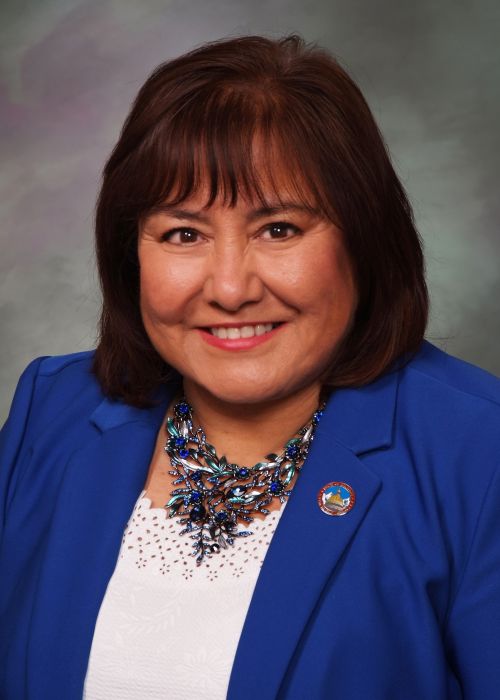
Cecelia Espenoza
DDemocratic
Co

Chad Clifford
DDemocratic
Co
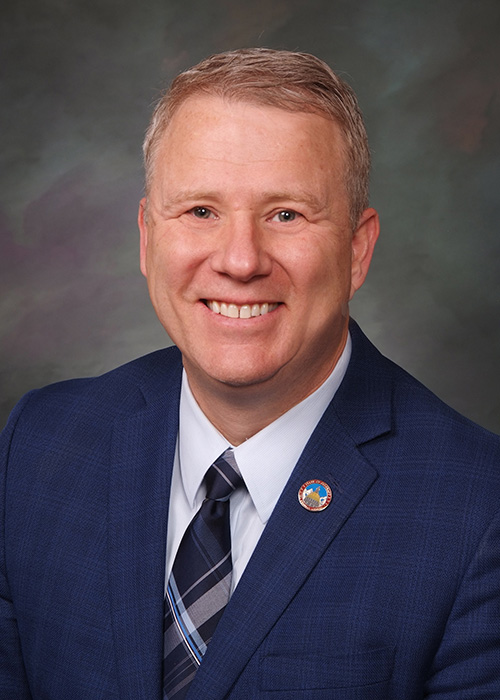
Chris Kolker
DDemocratic
Co

Dafna Michaelson Jenet
DDemocratic
Co

Eliza Hamrick
DDemocratic

































Ask Maddy
·
AI policy assistant
Ask Maddy about SB 25-276
Scope: CO
Hi! I can help you understand SB 25-276. What would you like to know?
Try one of these
i
Maddy answers using official bill text and legislative records. Always verify before sharing.
Sources cited inline