

Population Growth Calculation
Summary
Section 20 of article X of the state constitution (TABOR) requires the maximum annual percentage change in state fiscal year spending to equal inflation plus the percentage change in state population in the prior calendar year adjusted for revenue changes approved by voters. Although TABOR does not specify how the state shall determine the percentage change in state population (population growth), the TABOR implementing statutes do. For years in which there is not a decennial census, the TABOR implementing statutes required the state to calculate population growth by determining the percentage change between: The federal census bureau's estimate of state population (census estimate) for the previous calendar year, as of December in the current calendar year; and The census estimate for the current calendar year, as of December in the current calendar year. This method for calculating population growth can lead to either double-counting or under-counting of population changes in census estimates. If the federal census bureau revises a census estimate upward for a given year, population growth will be understated and the fiscal year spending limit will be lower. The opposite is true if the federal census bureau revises a census estimate downward. In either case, under this method for calculating population growth, population growth would be measured inaccurately. The act adjusts the method of calculating population growth. Under the act, population growth is calculated by determining the percentage change between: The census estimate, as of December in the previous calendar year, for the previous calendar year; and The census estimate, as of December in the current calendar year, for the current calendar year. This approach prevents double-counting or under-counting population changes as a result of revised census estimates and results in a more accurate measurement of population growth. (Note: This summary applies to this bill as enacted.)
Bill status
signed
all 5 stages cleared
Introduction
Feb 2025
Committee Review
Mar 2025
Senate Passage
Mar 2025
House Passage
Mar 2025
Signed into Law
Mar 2025
Introduced Feb 24, 2025
Signed Mar 31, 2025
Maddy AI version diff · 6 comparisons
What changed between versions
Rerevised (03/14/2025)
→
Revised (03/13/2025)
·
4 edits
MODERATE
The bill's title was updated to clarify that population under-counting leads to reduced spending limits, while double-counting increases them. The House sponsorship list was significantly shortened, removing most co-sponsors. The effective date for the House was changed from March 14, 2025 to March 13, 2025. The bill text now explicitly defines how population counting errors impact state fiscal year spending limits.
Scope change
The bill's scope regarding spending limits was clarified to directly link population counting errors (double-counting or under-counting) to increased or reduced spending limits, respectively.
TITLE
The bill title was revised to explicitly state that under-counting population results in reduced spending limits and double-counting results in increased limits.
SPONSORSHIP
Most House co-sponsors (Bird, Bacon, Boesenecker, Clifford, Espenoza, Garcia, Lindsay, Phillips, Ricks, Titone, Zokaie) were removed from the House sponsorship list, leaving only Taggart and Sirota.
TIMELINE
The House 3rd Reading date was changed from March 14, 2025 to March 13, 2025.
DEFINITION
New text was added to Section 20(C) to define how population counting errors affect state fiscal year spending limits, specifying that under-counting reduces limits and double-counting increases them.
Floor votes · Senate Mar 4, 2025 · House Mar 14, 2025
How they voted
33–0
Passed · 1 other
Total votes 34
Mar 4, 2025
D
Democratic22
95% Yea
R
Republican12
100% Yea
Vote distribution
All Yea
All Nay
Mixed
No data
Full legislative history
Actions timeline
Total actions
13
Key actions
5
Committee
2
Mar 31, 2025
Signed into law
Governor Signed
executive
Mar 14, 2025
Lower · Passed
House Third Reading Passed - No Amendments
lower
Mar 7, 2025
Lower · Passed
House Committee on Appropriations Refer Unamended to House Committee of the Whole
lower
Mar 4, 2025
Introduced
Introduced In House - Assigned to Appropriations
lower
Mar 4, 2025
Upper · Passed
Senate Third Reading Passed - No Amendments
upper
Feb 27, 2025
Upper · Passed
Senate Committee on Appropriations Refer Unamended - Consent Calendar to Senate Committee of the Whole
upper
Feb 24, 2025
Introduced
Introduced In Senate - Assigned to Appropriations
upper
4 primary · 22 co-sponsors
Sponsors
Role
Legislator
Party
State
District
P
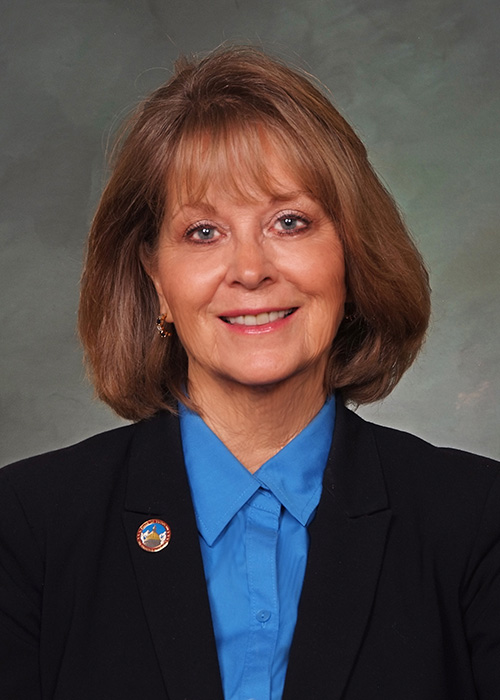
Barbara Kirkmeyer
RRepublican
P
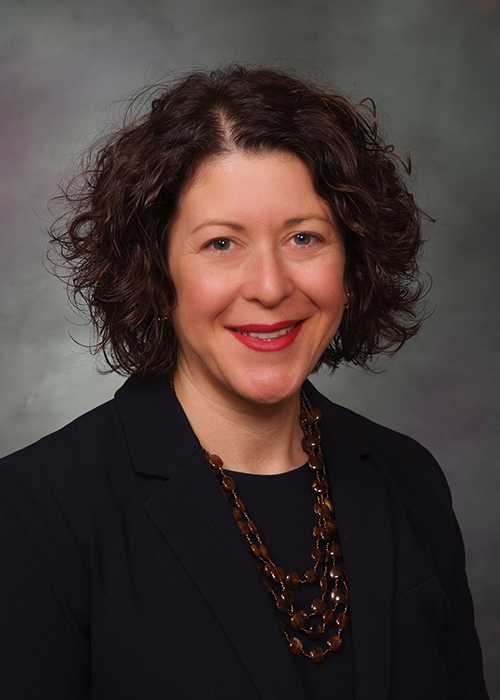
Emily Sirota
DDemocratic
P
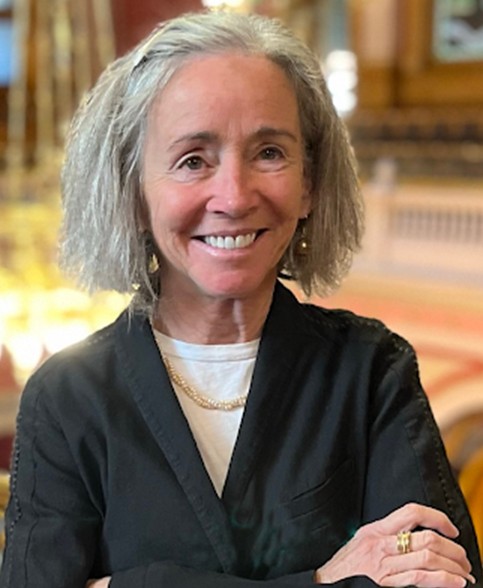
Judy Amabile
DDemocratic
P

Rick Taggart
RRepublican
Co

Andy Boesenecker
DDemocratic
Co
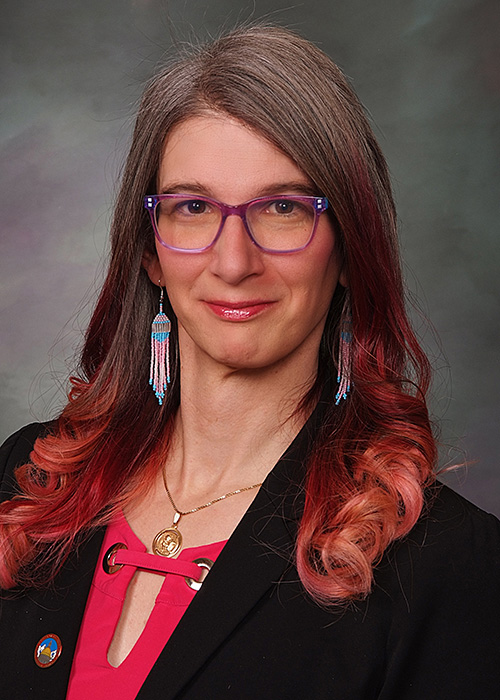
Brianna Titone
DDemocratic
Co

Byron Pelton
RRepublican
Co
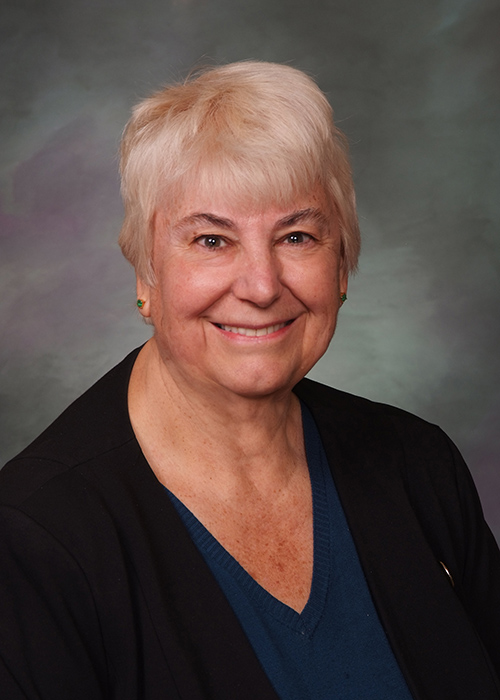
Cathy Kipp
DDemocratic
Co
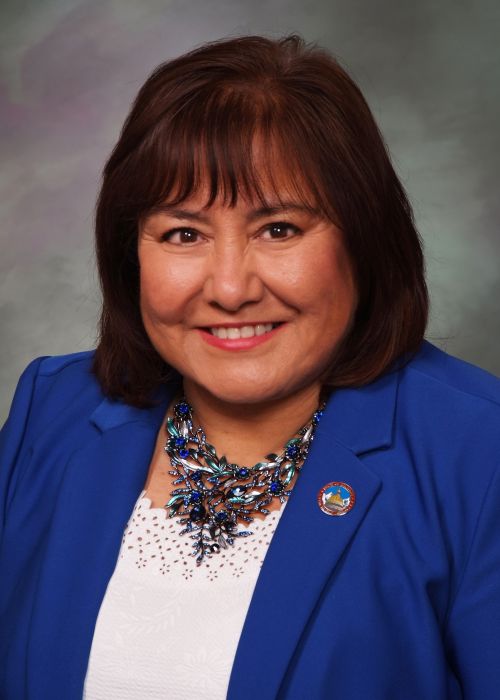
Cecelia Espenoza
DDemocratic
Co
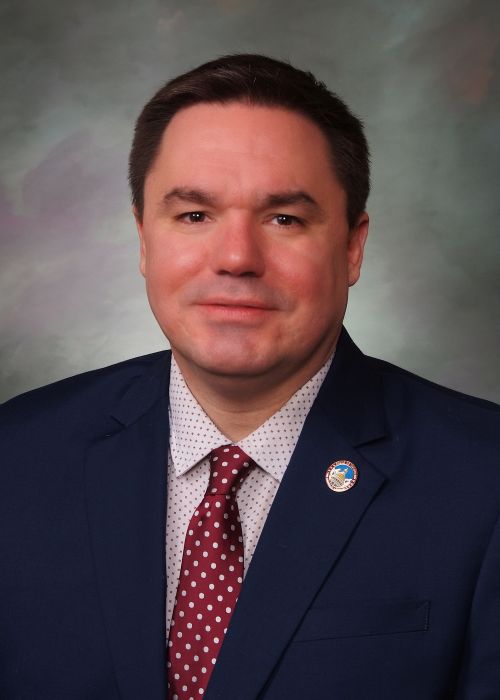
Chad Clifford
DDemocratic
Co
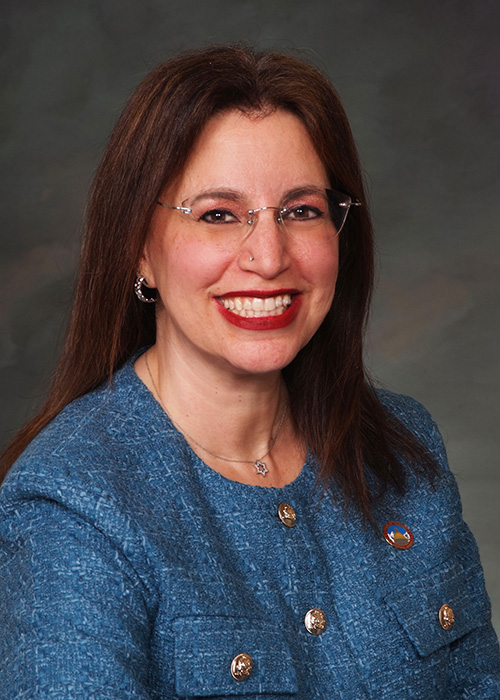
Dafna Michaelson Jenet
DDemocratic
Co
FW
Faith Winter
DDemocratic
Co
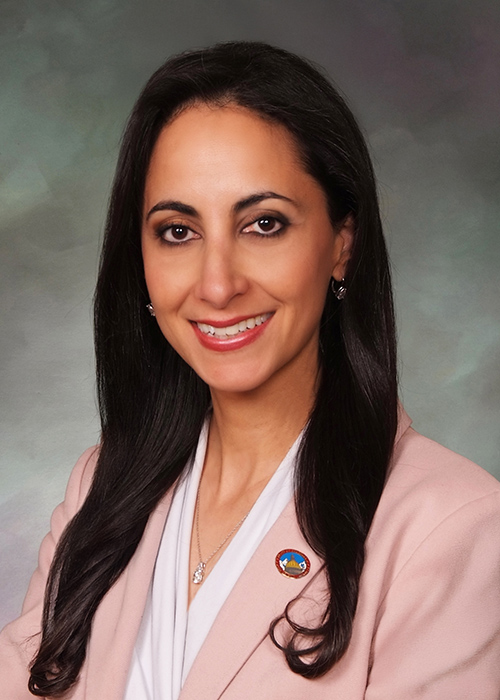
Iman Jodeh
DDemocratic
Co
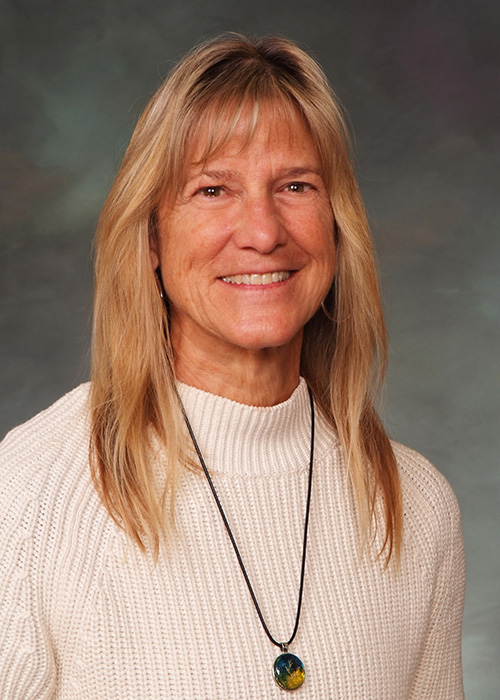
Jacque Phillips
DDemocratic




Ask Maddy
·
AI policy assistant
Ask Maddy about SB 25-180
Scope: CO
Hi! I can help you understand SB 25-180. What would you like to know?
Try one of these
i
Maddy answers using official bill text and legislative records. Always verify before sharing.
Sources cited inline