

Medicaid Reimbursement for Vagus Nerve Stimulation
Summary
Beginning July 1, 2025 No later than January 1, 2026 , the bill requires the department of health care policy and financing (HCPF) to seek federal authorization to reimburse acute care hospitals and ambulatory surgery facilities that provide vagus nerve stimulation therapy to members diagnosed with drug-resistant epilepsy at a rate that is equal to 75% 60% of the cost for acquiring the vagus nerve stimulator device, which reimbursement is in addition to and does not supplant the reimbursement for any necessary surgical procedure associated with implanting the device. Beginning January 1, 2029, the bill requires HCPF to increase the reimbursement to a rate that is equal to 75% of the cost for acquiring the vagus nerve simulator device. (Note: Italicized words indicate new material added to the original summary; dashes through words indicate deletions from the original summary.) (Note: This summary applies to the reengrossed version of this bill as introduced in the second house.)
Bill status
passed
3 of 5 stages cleared
Introduction
Feb 2025
Committee Review
Apr 2025
Senate Passage
Apr 2025
House Passage
Governor
Introduced Feb 4, 2025
Last action Apr 28, 2025
Maddy AI version diff · 4 comparisons
What changed between versions
PA1 (02/21/2025)
→
PA2 (04/22/2025)
·
3 edits
MINOR
This bill amendment adjusts the reimbursement schedule for vagus nerve stimulator devices for drug-resistant epilepsy patients. The most significant change is that reimbursement begins at 60% of device cost instead of 75%, with a scheduled increase to 75% starting January 1, 2029, rather than immediately. The amendment also reorganizes the statutory language by adding subsection letters (a) and (b) for better structure.
Scope change
The bill's scope remains the same - it still applies to acute care hospitals and ambulatory surgery facilities providing vagus nerve stimulation therapy to Colorado members with drug-resistant epilepsy - but the financial terms and implementation timeline have been modified.
FISCAL
Initial reimbursement rate changed from 75% to 60% of device cost, reducing immediate financial impact on healthcare providers and state budget.
TIMELINE
Added a phased implementation schedule with reimbursement increasing from 60% to 75% beginning January 1, 2029, providing a transition period.
TECHNICAL
Reorganized statutory language by adding subsection letters (a) and (b) for improved readability and legal structure.
Floor votes · Senate Apr 23, 2025
How they voted
28–6
Passed
Total votes 34
Apr 23, 2025
D
Democratic22
100% Yea
R
Republican12
50% Nay
Vote distribution
All Yea
All Nay
Mixed
No data
Full legislative history
Actions timeline
Total actions
7
Key actions
3
Committee
3
Apr 28, 2025
Lower · Passed
House Committee on Health & Human Services Postpone Indefinitely
lower
Apr 23, 2025
Introduced
Introduced In House - Assigned to Health & Human Services
lower
Apr 23, 2025
Upper · Passed
Senate Third Reading Passed - No Amendments
upper
Apr 22, 2025
Upper · Passed
Senate Committee on Appropriations Refer Amended - Consent Calendar to Senate Committee of the Whole
upper
Feb 20, 2025
Committee
Senate Committee on Health & Human Services Refer Amended to Appropriations
upper
Feb 4, 2025
Introduced
Introduced In Senate - Assigned to Health & Human Services
upper
3 primary · 14 co-sponsors
Sponsors
Role
Legislator
Party
State
District
P
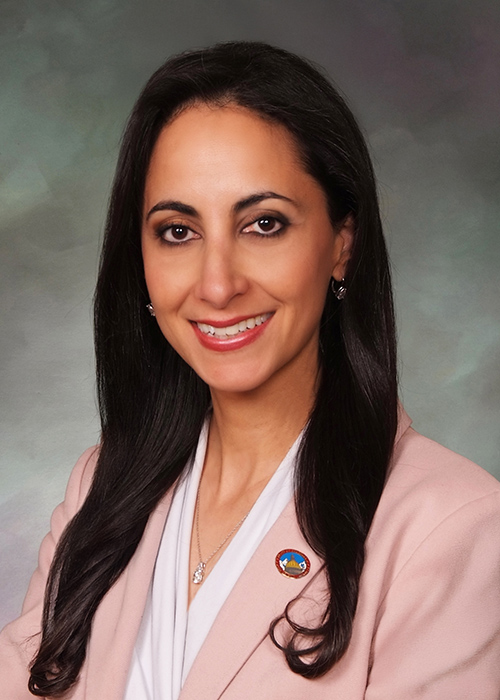
Iman Jodeh
DDemocratic
P
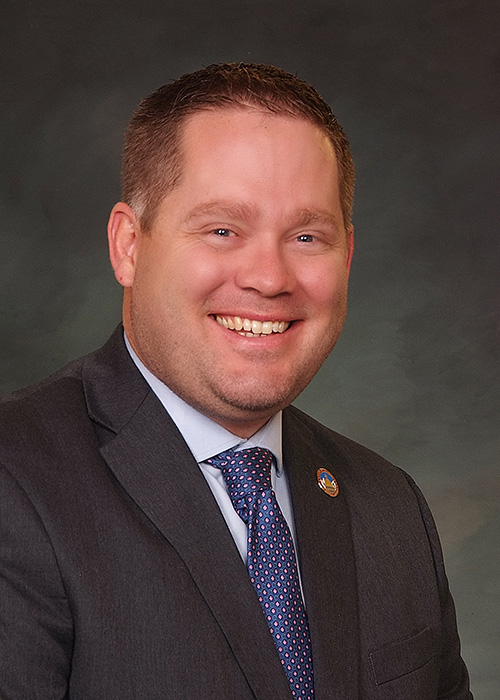
Kyle Mullica
DDemocratic
P
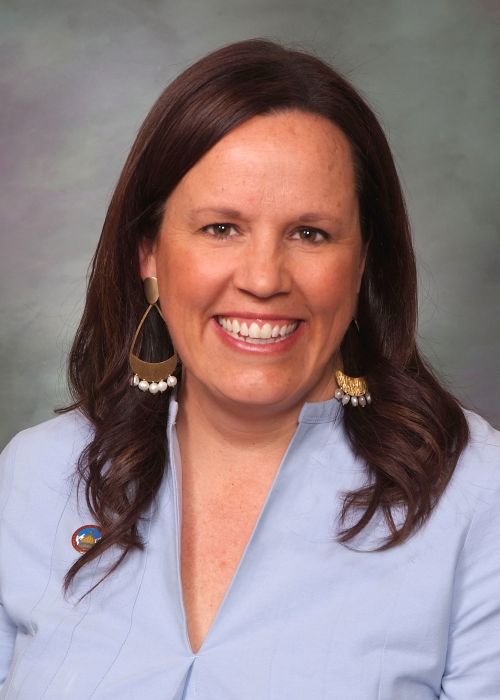
Lindsay Gilchrist
DDemocratic
Co

Cathy Kipp
DDemocratic
Co
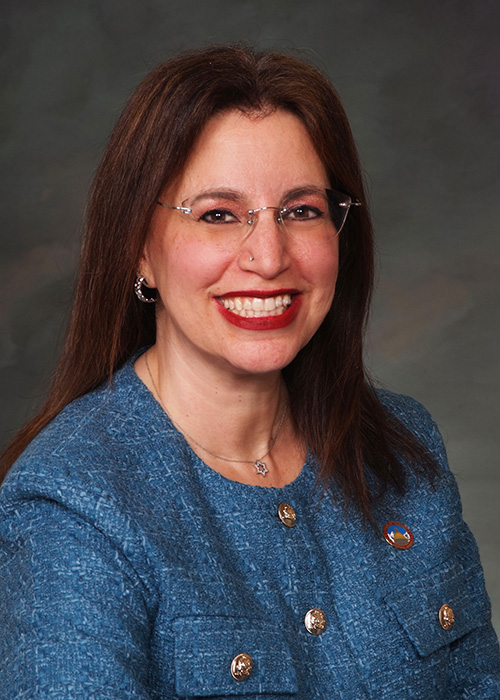
Dafna Michaelson Jenet
DDemocratic
Co
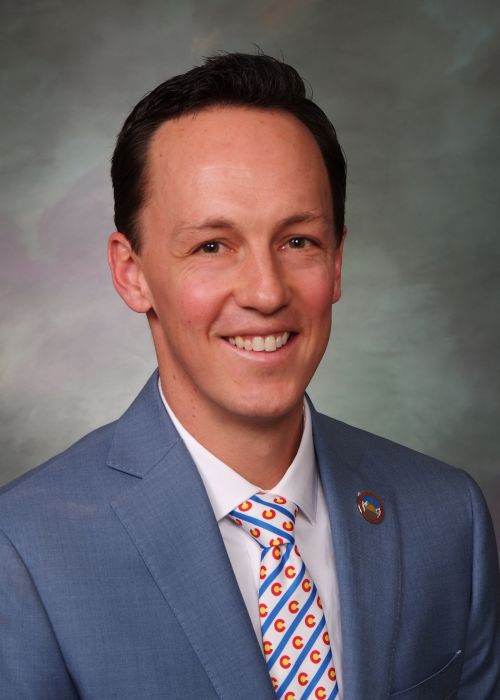
Dylan Roberts
DDemocratic
Co

James Coleman
DDemocratic
Co
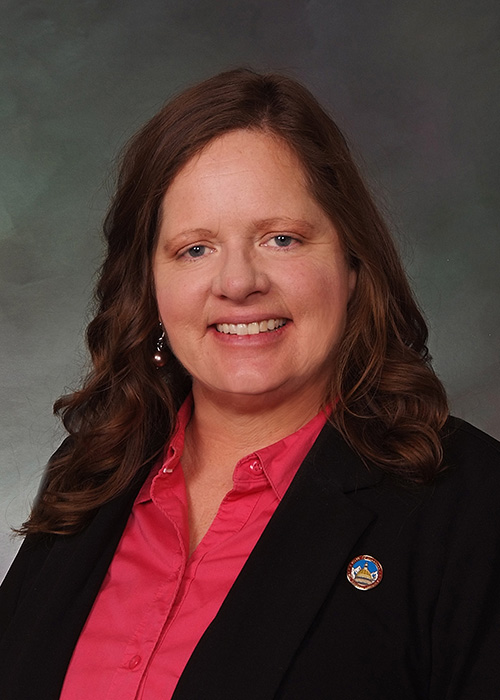
Janice Marchman
DDemocratic
Co

Judy Amabile
DDemocratic
Co

Julie Gonzales
DDemocratic
Co

Katie Wallace
DDemocratic
Co

Lindsey Daugherty
DDemocratic
Co

Lisa Cutter
DDemocratic


Ask Maddy
·
AI policy assistant
Ask Maddy about SB 25-121
Scope: CO
Hi! I can help you understand SB 25-121. What would you like to know?
Try one of these
i
Maddy answers using official bill text and legislative records. Always verify before sharing.
Sources cited inline