

Treasurer's Office
Summary
Section 1 of the act amends the state public financing cash fund (fund) statute in 2 ways. First, the act removes the limit on the amounts included in the issuance or incurrence of certain financial obligations by the state that the state treasurer credits to the fund. Second, the act modifies the fund so that bond counsel approval is no longer needed before money in the fund is used to reimburse the state treasurer for certain verifiable costs. Section 2 allows the state treasurer to use a security token offering for state capital financing and adopt rules as necessary to do so. Section 3 creates a new special purpose authority: The building urgent infrastructure and leveraging dollars authority (authority). The authority's primary purpose is to finance infrastructure projects that are ready for construction or commencement. As used in this context, an infrastructure project includes the development, construction, repair, improvement, operation, maintenance, decommissioning, or ownership of: A transportation infrastructure project, an infrastructure project in a transit-oriented community, a county courthouse facility, a transportation facility; utility infrastructure; renewable energy infrastructure; recycling infrastructure; energy efficiency infrastructure; an education facility; water infrastructure; information technology capital construction; affordable and accessible housing infrastructure; or digital, social, or other infrastructure related to economic development. The powers of the authority are vested in a 13-member board with the following membership: The state treasurer or the state treasurer's designee; The state architect or the state architect's designee; The chair of the capital development committee of the general assembly or any successor committee; A member of the capital development committee of the general assembly or any successor committee who is the longest serving member on the committee and who is a member of the major political party other than the party of the chair of the committee; A representative of a statewide organization representing counties, appointed by the governor; A representative of a statewide organization representing municipalities, appointed by the governor; The executive director of the Colorado education and cultural facilities authority or their designee; A representative of a statewide organization of general and specialty commercial construction contractors, appointed by the governor; A representative of a statewide employee organization representing building and construction trade workers, appointed by the president of the senate; An individual representing service employees, appointed by the state treasurer; An individual with a background in finance who has experience with pension fund management, appointed by the state treasurer; and An individual with a background in commercial lending representing an institution insured by the federal deposit insurance corporation, appointed by the state treasurer. The state treasurer or the state treasurer's designee serves as the chair of the board and is required to call the first meeting of the board no later than January 1, 2026. Among other powers, the authority may: Make and execute agreements, contracts, and other instruments as necessary to achieve the authority's purposes, including contracting with the officers, personnel, and consultants of the state treasurer to achieve its purposes; Charge to and collect from state agencies and persons fees and charges in connection with the authority's loans or other services; Issue and sell building urgent infrastructure and leveraging dollars bonds, payable solely from the building urgent infrastructure and leveraging dollars bonding fund created within the authority; Invest and deposit money; Finance or participate in the financing of eligible projects or any interest in such a project; except for projects that are within the statutory authority of the Colorado housing and finance authority; and Facilitate the funding of infrastructure projects. The infrastructure and long-term development assistance program (program) is created in the authority to allow the authority to provide financing for eligible projects. The act requires the authority to develop policies and procedures necessary to implement the program. At a minimum, the policies and procedures must specify application criteria, an application process, and a selection process for the authority to determine which eligible projects it will finance or assist in financing through the program. The authority must pay for such financing out of the eligible project revolving fund created in the authority. The act also requires that the authority allow the Colorado educational and cultural facilities authority a right of first refusal for the financing of eligible projects. (Note: This summary applies to this bill as enacted.)
Bill status
signed
all 5 stages cleared
Introduction
Jan 2025
Committee Review
Apr 2025
Senate Passage
Mar 2025
House Passage
Apr 2025
Signed into Law
May 2025
Introduced Jan 23, 2025
Signed May 31, 2025
Maddy AI version diff · 6 comparisons
What changed between versions
Revised (04/24/2025)
→
PA1 (02/20/2025)
·
4 edits
MODERATE
This bill version is a pre-amendment draft that includes committee changes not yet adopted by the legislature. The substantive content remains largely the same as the revised version, but the document status changed from 'Revised' (adopted amendments) to 'Preamended' (unofficial version with pending committee amendments).
TECHNICAL
Removed 'Revised' status and 'Second Reading' adoption notice, replaced with 'Preamended' status indicating this is an unofficial version containing committee amendments not yet adopted on second reading.
Modified Senate and House sponsor lists by removing some co-sponsors (Bridges, Amabile, Ball, Kolker, Roberts, Sirota) from the lists, though this may reflect formatting rather than actual sponsor changes.
Added page markers and formatting elements like page numbers (-2-, -3-) and bill number (081) that were not present in the revised version.
Removed 'Amended 2nd Reading' date stamps and related formatting notes that indicated the bill had passed second reading in both chambers.
Floor votes · Senate Mar 12, 2025 · House Apr 25, 2025
How they voted
21–12
Passed
Total votes 33
Mar 12, 2025
D
Democratic21
100% Yea
R
Republican12
100% Nay
Vote distribution
All Yea
All Nay
Mixed
No data
Full legislative history
Actions timeline
Total actions
14
Key actions
5
Committee
3
Amendments
1
May 31, 2025
Signed into law
Governor Signed
executive
Apr 28, 2025
Introduced
Senate Considered House Amendments - Result was to Concur - Repass
upper
Apr 25, 2025
Lower · Passed
House Third Reading Passed - No Amendments
lower
Apr 21, 2025
Lower · Passed
House Committee on Finance Refer Amended to House Committee of the Whole
lower
Mar 12, 2025
Introduced
Introduced In House - Assigned to Finance
lower
Mar 12, 2025
Upper · Passed
Senate Third Reading Passed - No Amendments
upper
Mar 7, 2025
Upper · Passed
Senate Committee on Appropriations Refer Unamended to Senate Committee of the Whole
upper
Feb 18, 2025
Committee
Senate Committee on Finance Refer Amended to Appropriations
upper
Jan 23, 2025
Introduced
Introduced In Senate - Assigned to Finance
upper
4 primary · 16 co-sponsors
Sponsors
Role
Legislator
Party
State
District
P
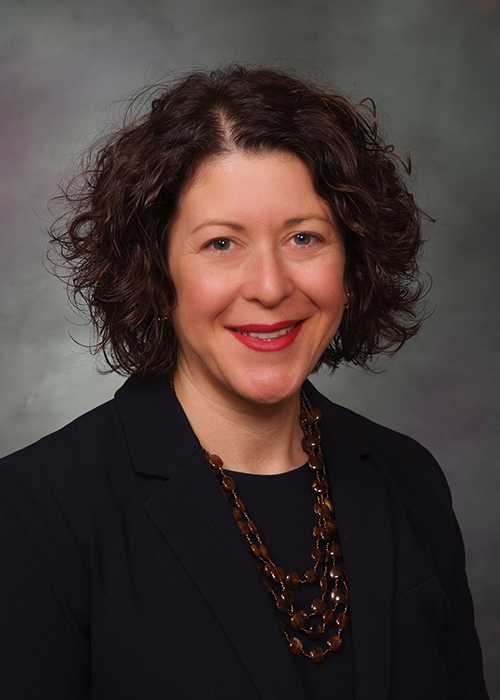
Emily Sirota
DDemocratic
P

Jeff Bridges
DDemocratic
P

Judy Amabile
DDemocratic
P
SB
Shannon Bird
DDemocratic
Co

Andy Boesenecker
DDemocratic
Co
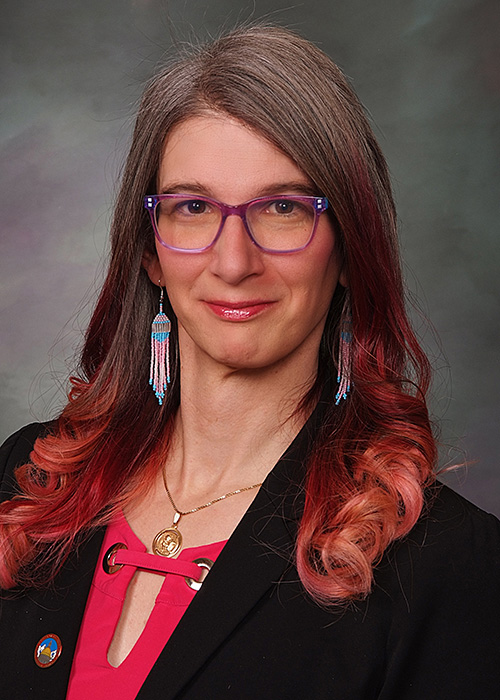
Brianna Titone
DDemocratic
Co
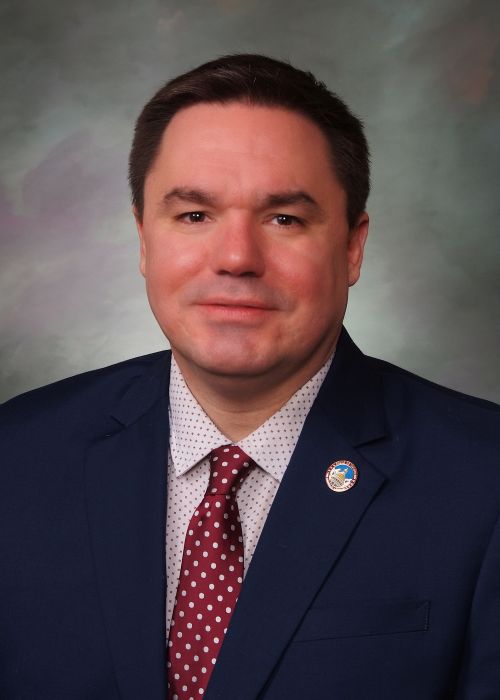
Chad Clifford
DDemocratic
Co
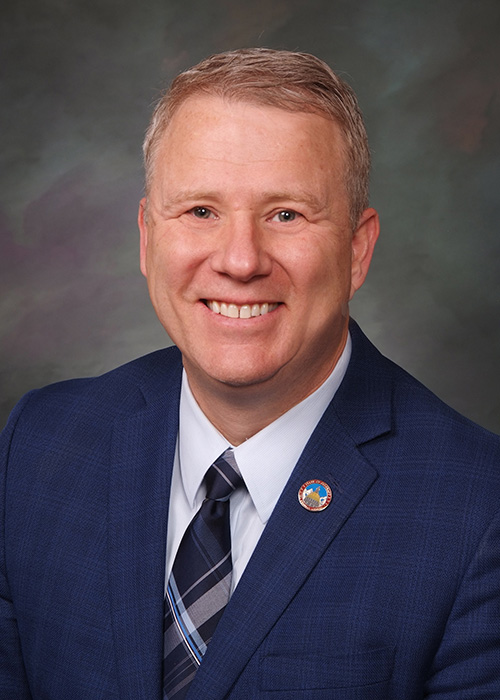
Chris Kolker
DDemocratic
Co
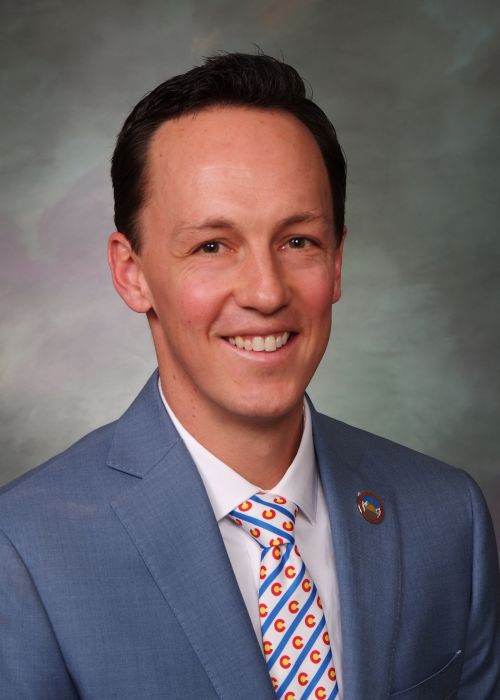
Dylan Roberts
DDemocratic
Co
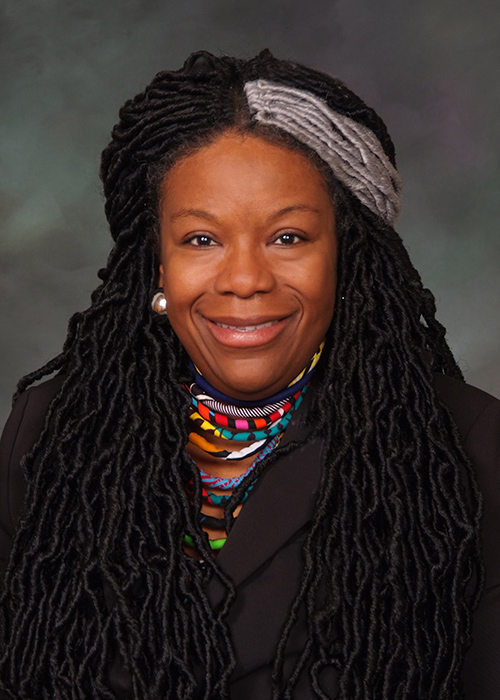
Jennifer Bacon
DDemocratic
Co
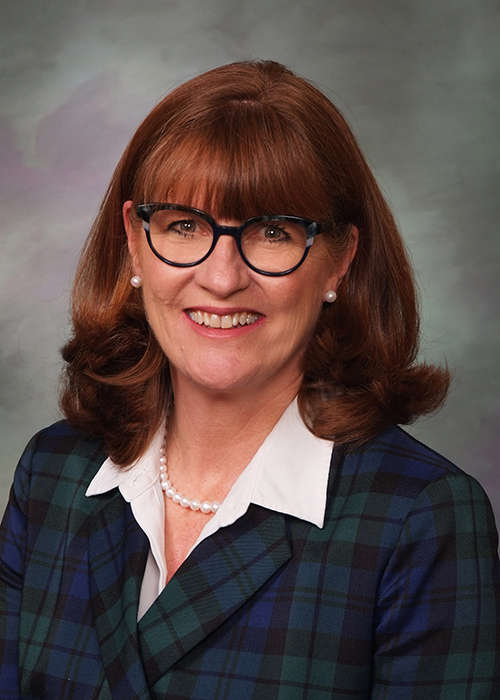
Julie McCluskie
DDemocratic
Co

Junie Joseph
DDemocratic
Co
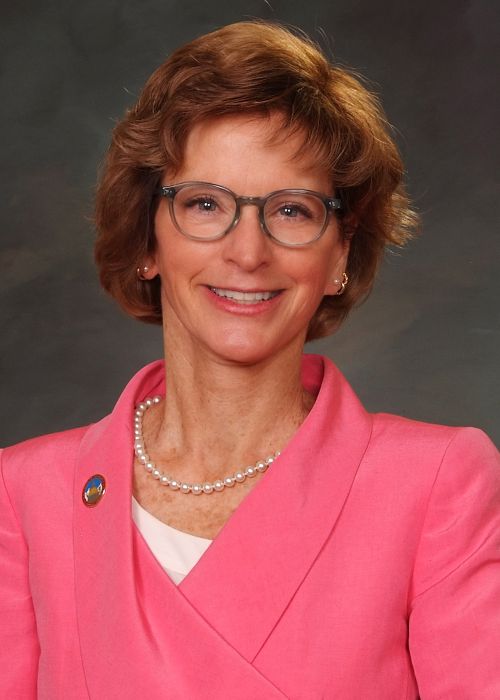
Karen McCormick
DDemocratic
Co

Lesley Smith
DDemocratic



Ask Maddy
·
AI policy assistant
Ask Maddy about SB 25-081
Scope: CO
Hi! I can help you understand SB 25-081. What would you like to know?
Try one of these
i
Maddy answers using official bill text and legislative records. Always verify before sharing.
Sources cited inline