

Increase Transportation Mode Choice Reduce Emissions
Summary
The act requires the department of transportation (department), no later than July 1, 2026, and in coordination with local governments and transit agencies, to create a transit and active transportation project inventory that identifies gaps in transit, bicycle, and pedestrian infrastructure and access on state highways and rights-of-way that are controlled and maintained by the department. No later than July 1, 2026, metropolitan planning organizations must create a transit and active transportation project inventory that identifies gaps in transit, bicycle, and pedestrian infrastructure and access within the network of regionally significant roadways and rights-of-way that are typically subject to planning and programming by the metropolitan planning organization. No later than October 31, 2026, the department and the metropolitan planning organizations must present a report to the transportation legislation review committee on the transit and active transportation project inventories (inventories) created, including an assessment of existing and potential funding sources for the projects listed in the inventories. The department and metropolitan planning organizations must update the inventories as part of the planning processes for the regional and statewide transportation plans and must use the inventories to inform those plans, other transit service plans, and transportation improvement programs. No later than July 1, 2026, the department must develop clear definitions for roadway capacity investments and state-of-good-repair investments. No later than December 31, 2025, a local government with a population of 5,000 or more that is within a metropolitan planning organization must submit to its metropolitan planning organization all planned transit, bicycle, and pedestrian projects included in any transportation, capital, or other plan. The act also allows a local government to: Adopt goals for the share of total trips within a specified geographic area completed using certain transportation methods; Submit local transportation demand management strategies to its metropolitan planning organization; and Collaborate with the department, its metropolitan planning organization, and transit agencies to identify unfinished transit, bicycle, and pedestrian projects in certain transit areas and to prioritize such projects based on each project's potential to increase transportation mode choice, project vulnerable road users, reduce vehicle miles traveled and greenhouse gas emissions, and improve access to nondriving transportation options in disproportionately impacted communities. The act also clarifies that the Moffat tunnel improvement district is controlled and managed by the department of transportation rather than the department of local affairs. (Note: This summary applies to this bill as enacted.)
Bill status
signed
all 5 stages cleared
Introduction
Jan 2025
Committee Review
Apr 2025
Senate Passage
Apr 2025
House Passage
May 2025
Signed into Law
May 2025
Introduced Jan 8, 2025
Signed May 13, 2025
Maddy AI version diff · 7 comparisons
What changed between versions
Revised (04/30/2025)
→
PA1 (03/13/2025)
·
4 edits
MODERATE
The bill was amended to shift focus from identifying gaps in transit, bicycle, and pedestrian infrastructure to specifically identifying projects that would significantly increase these modes by improving connectivity and safety. The amendment also reorganized reporting deadlines, moving the initial inventory creation to July 1, 2026, and adding a second report due October 31, 2026, with expanded requirements for funding assessments.
Scope change
The bill's scope was narrowed from identifying infrastructure gaps generally to specifically identifying projects that improve connectivity and safety for transit, biking, and walking, while also expanding the inventory to include roadways beyond just state highways.
REQUIREMENT
Changed the inventory requirement from identifying gaps in infrastructure to identifying specific projects that would significantly increase transit, biking, and walking by improving connectivity and safety.
Added requirement for the inventory to include cost estimates for identified projects where available.
TIMELINE
Adjusted the deadline for creating the initial inventory from October 31, 2025 to July 1, 2026, and added a new reporting deadline of October 31, 2026.
SCOPE
Expanded the inventory scope to include roadways and rights-of-way within metropolitan planning organization boundaries, not just state highways.
Floor votes · Senate Apr 22, 2025 · House May 1, 2025
How they voted
21–13
Passed
Total votes 34
Apr 22, 2025
D
Democratic22
95% Yea
R
Republican12
100% Nay
Vote distribution
All Yea
All Nay
Mixed
No data
Full legislative history
Actions timeline
Total actions
16
Key actions
5
Committee
3
May 13, 2025
Signed into law
Governor Signed
executive
May 1, 2025
Lower · Passed
House Third Reading Passed - No Amendments
lower
Apr 28, 2025
Lower · Passed
House Committee on Transportation, Housing & Local Government Refer Unamended to House Committee of the Whole
lower
Apr 22, 2025
Introduced
Introduced In House - Assigned to Transportation, Housing & Local Government
lower
Apr 22, 2025
Upper · Passed
Senate Third Reading Passed - No Amendments
upper
Apr 11, 2025
Upper · Passed
Senate Committee on Appropriations Refer Unamended to Senate Committee of the Whole
upper
Mar 12, 2025
Committee
Senate Committee on Transportation & Energy Refer Amended to Appropriations
upper
Jan 8, 2025
Introduced
Introduced In Senate - Assigned to Transportation & Energy
upper
4 primary · 24 co-sponsors
Sponsors
Role
Legislator
Party
State
District
P
FW
Faith Winter
DDemocratic
P
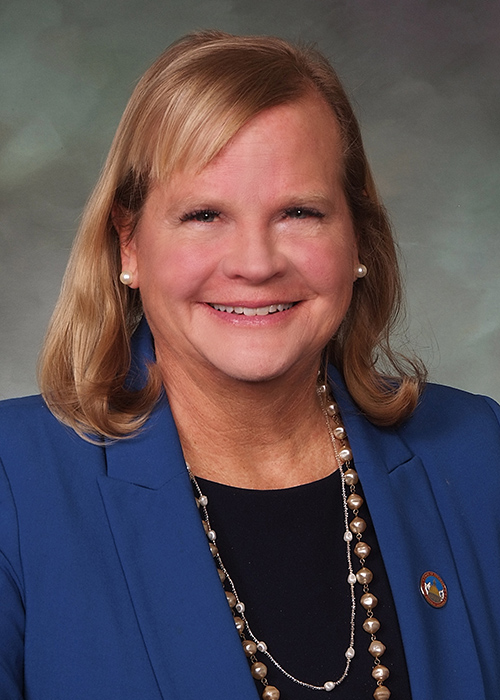
Meg Froelich
DDemocratic
P

Nick Hinrichsen
DDemocratic
P

William Lindstedt
DDemocratic
Co

Alex Valdez
DDemocratic
Co

Andy Boesenecker
DDemocratic
Co

Cathy Kipp
DDemocratic
Co

Chris Kolker
DDemocratic
Co

Dafna Michaelson Jenet
DDemocratic
Co

Elizabeth Velasco
DDemocratic
Co

Emily Sirota
DDemocratic
Co

Iman Jodeh
DDemocratic
Co

Janice Marchman
DDemocratic
Co

Javier Mabrey
DDemocratic












Ask Maddy
·
AI policy assistant
Ask Maddy about SB 25-030
Scope: CO
Hi! I can help you understand SB 25-030. What would you like to know?
Try one of these
i
Maddy answers using official bill text and legislative records. Always verify before sharing.
Sources cited inline