

Tenant and Landlord Law Enforcement
Summary
Section 1 of the act allows a person to access a suppressed court record if that person affirms that they are accessing the record on behalf of the attorney general for the purpose of investigating any violation of state law that the attorney general may enforce. Section 2 clarifies that the attorney general has the power to initiate and bring civil and criminal actions to enforce certain state landlord-tenant laws and that these actions must be initiated and brought within existing appropriations. Sections 4 and 5 grant counties, cities and counties, and municipalities the power to initiate and bring civil actions to enforce certain state landlord-tenant laws. Sections 4 and 5 also create requirements related to a county, city and county, or municipality retaining a private attorney to initiate or bring these civil actions. Section 6 establishes a receivership mechanism that is available as a remedy for violations of applicable laws and regulations by the landlord of multifamily residential property. The attorney general, a county, a city and county, and a municipality may all apply to a district court for the appointment of a receiver to operate a multifamily residential property if there is reasonable cause to believe that the landlord has engaged in a pattern of neglect, as defined in the Act, in connection with the property. The act establishes the process for a district court appointing a receiver, including requiring a hearing and an order of appointment that specifies the duties of a receiver, and the criteria for qualifying as a receiver. No sooner than 90 days after the district court appoints a receiver, the landlord of the relevant property, a lessee of the entire relevant property, the attorney general, or a county, city and county, or municipality may submit an application to the district court to terminate the receivership. As with the appointing of a receiver, section 6 establishes the process by which a district court may terminate a receivership. (Note: This summary applies to this bill as enacted.)
Bill status
signed
all 5 stages cleared
Introduction
Jan 2025
Committee Review
Apr 2025
Senate Passage
Mar 2025
House Passage
Apr 2025
Signed into Law
May 2025
Introduced Jan 8, 2025
Signed May 28, 2025
Maddy AI version diff · 8 comparisons
What changed between versions
Revised (04/24/2025)
→
PA1 (03/11/2025)
·
5 edits
MODERATE
The bill's status changed from a revised version with adopted amendments to a pre-amended version containing unofficial committee amendments not yet adopted. The substantive policy content regarding landlord-tenant enforcement powers appears unchanged, but the legislative stage and official status of the amendments have shifted.
TECHNICAL
Removed 'REVISED' header indicating this was the official version with all amendments adopted on second reading in the second house.
Added 'PREAMENDED' header indicating this is an unofficial version with committee amendments not yet adopted on second reading.
Removed 'Amended 2nd Reading' date stamp and associated formatting indicating the bill had passed second reading with amendments.
Added '3rd Reading Unamended' date stamp and formatting indicating the bill is now in a pre-amended state awaiting second reading adoption.
Modified Senate sponsorship list by removing co-sponsors (Ball, Bridges, Coleman, Cutter, Michaelson, Jenet, Rodriguez, Sullivan, Wallace, Winter F.) leaving only Weissman and Gonzales J.
Floor votes · Senate Mar 31, 2025 · House Apr 25, 2025
How they voted
19–14
Passed · 1 other
Total votes 34
Mar 31, 2025
D
Democratic22
86% Yea
R
Republican12
100% Nay
Vote distribution
All Yea
All Nay
Mixed
No data
Full legislative history
Actions timeline
Total actions
17
Key actions
5
Committee
3
Amendments
1
May 28, 2025
Signed into law
Governor Signed
executive
Apr 28, 2025
Introduced
Senate Considered House Amendments - Result was to Concur - Repass
upper
Apr 25, 2025
Lower · Passed
House Third Reading Passed - No Amendments
lower
Apr 15, 2025
Lower · Passed
House Committee on Judiciary Refer Amended to House Committee of the Whole
lower
Mar 31, 2025
Introduced
Introduced In House - Assigned to Judiciary
lower
Mar 31, 2025
Upper · Passed
Senate Third Reading Passed - No Amendments
upper
Mar 26, 2025
Upper · Passed
Senate Committee on Appropriations Refer Unamended to Senate Committee of the Whole
upper
Mar 10, 2025
Committee
Senate Committee on Judiciary Refer Amended to Appropriations
upper
Jan 8, 2025
Introduced
Introduced In Senate - Assigned to Judiciary
upper
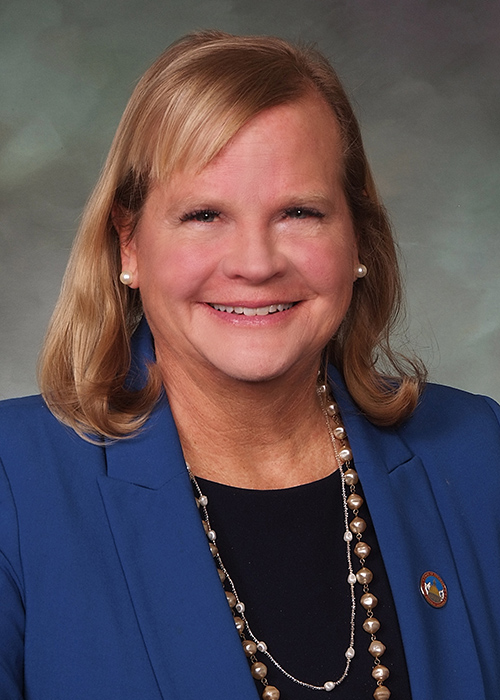
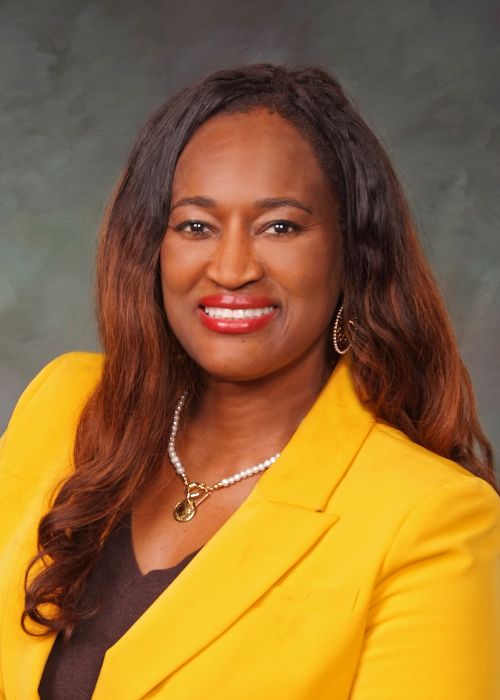
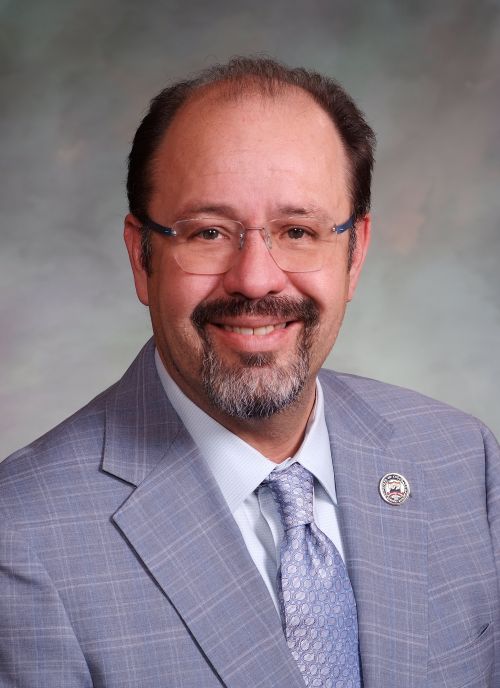
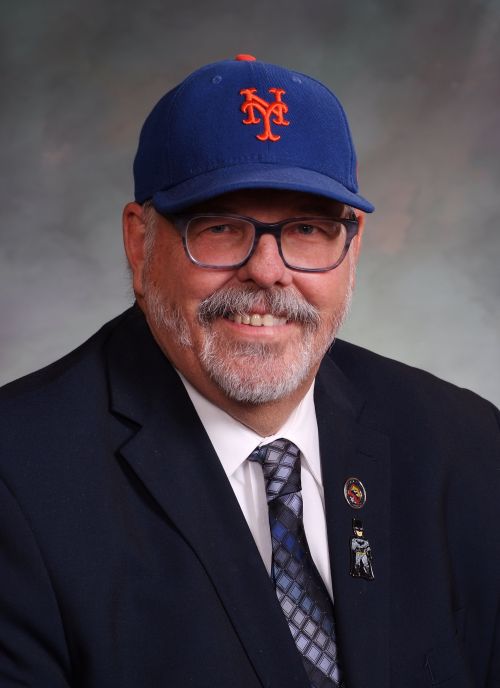
4 primary · 23 co-sponsors
Sponsors
Role
Legislator
Party
State
District
P

Javier Mabrey
DDemocratic
P
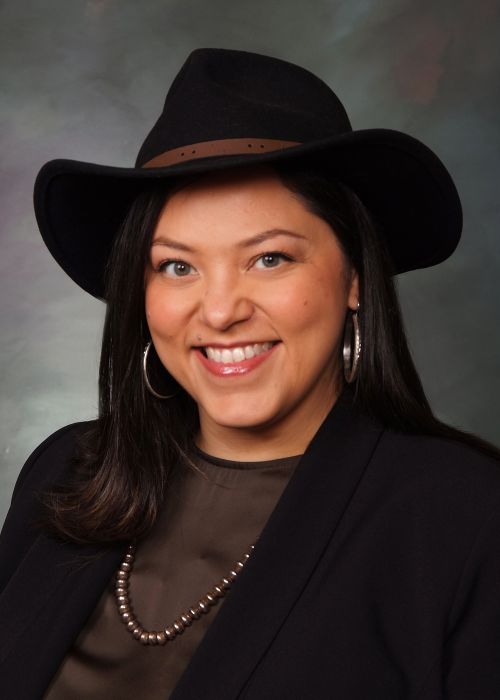
Julie Gonzales
DDemocratic
P

Mandy Lindsay
DDemocratic
P

Mike Weissman
DDemocratic
Co
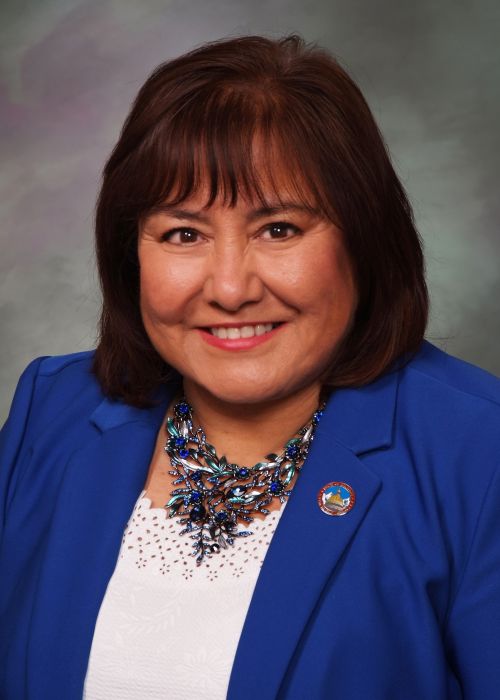
Cecelia Espenoza
DDemocratic
Co
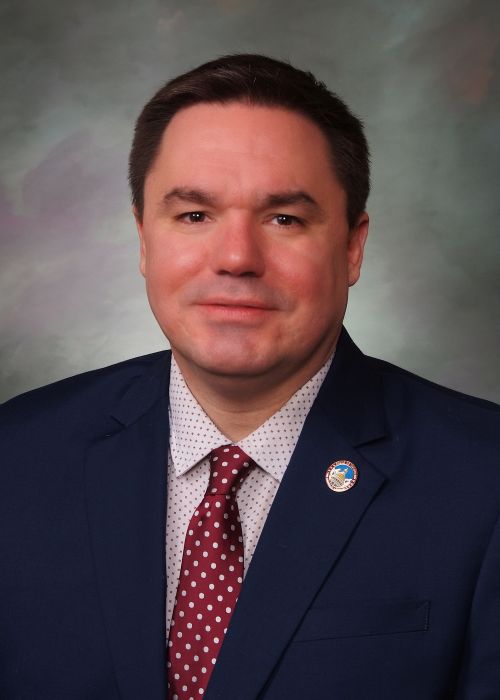
Chad Clifford
DDemocratic
Co

Dafna Michaelson Jenet
DDemocratic
Co

Elizabeth Velasco
DDemocratic
Co

Emily Sirota
DDemocratic
Co
FW
Faith Winter
DDemocratic
Co
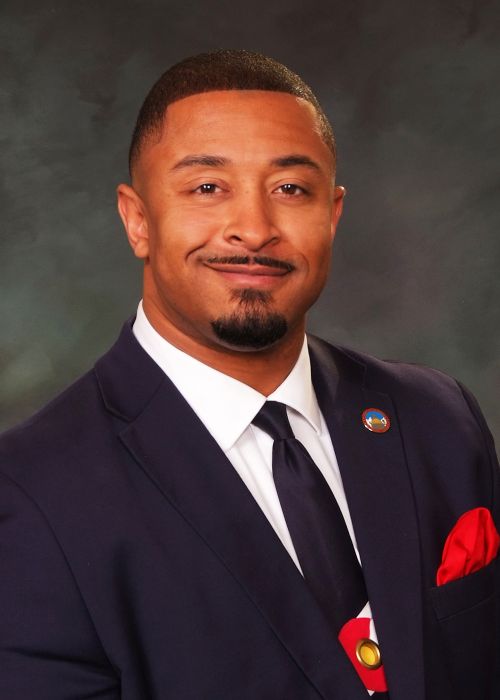
James Coleman
DDemocratic
Co

Jamie Jackson
DDemocratic
Co

Jeff Bridges
DDemocratic
Co

Jennifer Bacon
DDemocratic








Ask Maddy
·
AI policy assistant
Ask Maddy about SB 25-020
Scope: CO
Hi! I can help you understand SB 25-020. What would you like to know?
Try one of these
i
Maddy answers using official bill text and legislative records. Always verify before sharing.
Sources cited inline