

Transmission Lines in State Highway Rights-of-Way
Summary
The act allows a transmission developer to co-locate longitudinally high voltage transmission lines within a state highway right-of-way (right-of-way), according to a process developed by rule by the department of transportation (department). Upon the request of a transmission developer, the department is required to provide to the transmission developer the best available information on potential future state highway development projects that could impact the placement of a high voltage line within a right-of-way. If the department and a transmission developer agree that a site may be suitable for high voltage line development and preconstruction requirements are approved, the transmission developer is required to provide a constructability, access, and maintenance report that includes mitigation strategies for potential impacts of the proposed high voltage line. Beginning on January 1, 2027, a transmission developer is required to make a report with the following information available on a public-facing website within 30 days of filing for a local permit for the construction or development of high voltage lines: A description of the analysis undertaken for route selection; An evaluation of the economic impacts, engineering considerations, and reliability of the electric system; and Information demonstrating that, in assessing potential sites for the placement of high voltage lines, a transmission developer has considered or is considering development sites in the following order of priority: First, existing utility corridors; second, rights-of-way; and last, new utility corridors. A transmission developer is not required to select an existing utility corridor or a right-of-way for development of high voltage lines. A transmission developer seeking to locate a high voltage line within a right-of-way within the exterior boundaries of an Indian reservation is required to obtain the written consent of the applicable tribal government. A transmission developer is required to compensate the department for its co-location of high voltage lines in a right-of-way, either through a public-private initiative or by paying surcharges as established by the department by rule. The act also requires the Colorado electric transmission authority, through a public-private partnership and in collaboration with the department, the Colorado energy office, the Colorado public utilities commission, and other state agencies, including the division of parks and wildlife, to study state highway corridors to identify potential corridors that may be suitable for high voltage transmission line development and to publish and share with specified state agencies a report on the findings of the study. The act also aligns the definition of a real estate appraiser with federal law. (Note: This summary applies to this bill as enacted.)
Bill status
signed
all 5 stages cleared
Introduction
Mar 2025
Committee Review
May 2025
House Passage
Apr 2025
Senate Passage
May 2025
Signed into Law
May 2025
Introduced Mar 3, 2025
Signed May 9, 2025
Maddy AI version diff · 7 comparisons
What changed between versions
Revised (05/05/2025)
→
PA3 (05/05/2025)
·
3 edits
MINOR
The bill's status changed from a revised version to a pre-amended version, indicating it is now an unofficial draft with committee amendments not yet adopted. The substantive content added new definitions for 'Transmission Developer' to include transmission utilities, the Colorado Electric Transmission Authority, and generation/transmission cooperatives or associations, expanding who can apply to locate high voltage transmission lines within state highway rights-of-way.
Scope change
The bill's scope was expanded by adding new entities eligible to apply for transmission line placement in state highway rights-of-way through the addition of new definitions.
DEFINITION
Added a new definition for 'Transmission Developer' that includes transmission utilities, the Colorado Electric Transmission Authority, and generation/transmission cooperatives or associations.
SCOPE
Clarified that 'Public Highway' does not include public highways operated by a public highway authority under the Public Highway Authority Law.
STATUS
Changed the document status from 'Revised' to 'Preamended', indicating this is an unofficial version with committee amendments not yet adopted on second reading.
Floor votes · Senate May 6, 2025 · House Apr 30, 2025
How they voted
22–12
Passed
Total votes 34
May 6, 2025
D
Democratic22
100% Yea
R
Republican12
100% Nay
Vote distribution
All Yea
All Nay
Mixed
No data
Full legislative history
Actions timeline
Total actions
17
Key actions
5
Committee
5
Amendments
2
May 9, 2025
Signed into law
Governor Signed
executive
May 7, 2025
Introduced
House Considered Senate Amendments - Result was to Concur - Repass
lower
May 6, 2025
Upper · Passed
Senate Third Reading Passed - No Amendments
upper
May 6, 2025
Introduced
House Considered Senate Amendments - Result was to Laid Over Daily
lower
May 5, 2025
Upper · Passed
Senate Committee on Appropriations Refer Unamended to Senate Committee of the Whole
upper
May 5, 2025
Committee
Senate Committee on Transportation & Energy Refer Amended to Appropriations
upper
Apr 30, 2025
Introduced
Introduced In Senate - Assigned to Transportation & Energy
upper
Apr 30, 2025
Lower · Passed
House Third Reading Passed - No Amendments
lower
Apr 29, 2025
Lower · Passed
House Committee on Appropriations Refer Unamended to House Committee of the Whole
lower
Apr 7, 2025
Committee
House Committee on Finance Refer Amended to Appropriations
lower
Mar 25, 2025
Committee
House Committee on Transportation, Housing & Local Government Refer Amended to Finance
lower
Mar 3, 2025
Introduced
Introduced In House - Assigned to Transportation, Housing & Local Government
lower
3 primary · 18 co-sponsors
Sponsors
Role
Legislator
Party
State
District
P

Andy Boesenecker
DDemocratic
P
FW
Faith Winter
DDemocratic
P

Junie Joseph
DDemocratic
Co
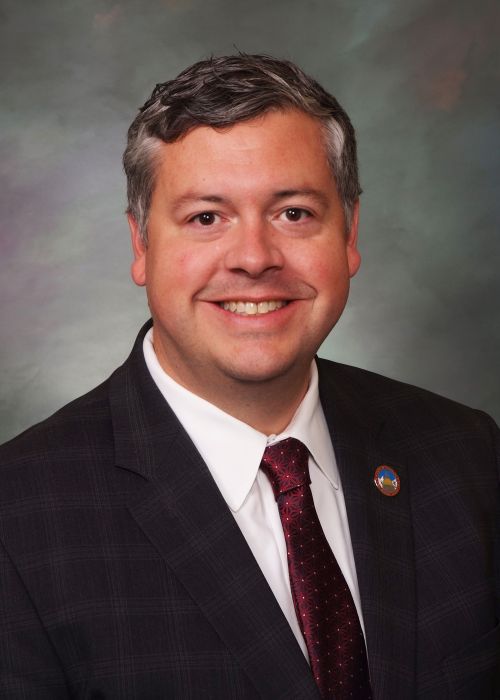
Alex Valdez
DDemocratic
Co

Amy Paschal
DDemocratic
Co

Bob Marshall
DDemocratic
Co

Cathy Kipp
DDemocratic
Co
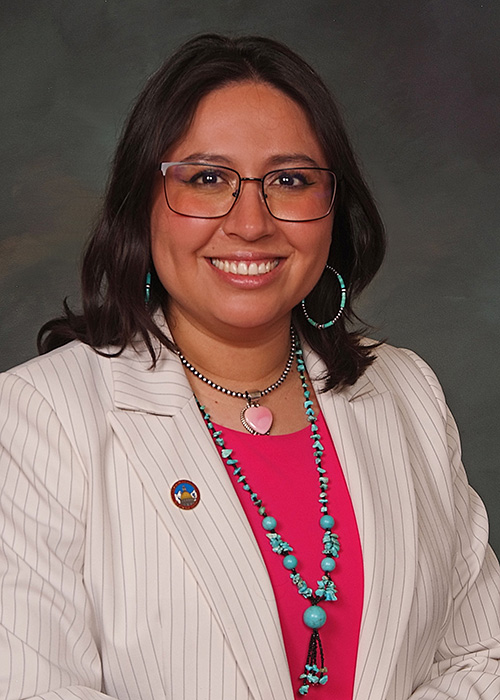
Elizabeth Velasco
DDemocratic
Co

Emily Sirota
DDemocratic
Co

Jeff Bridges
DDemocratic
Co
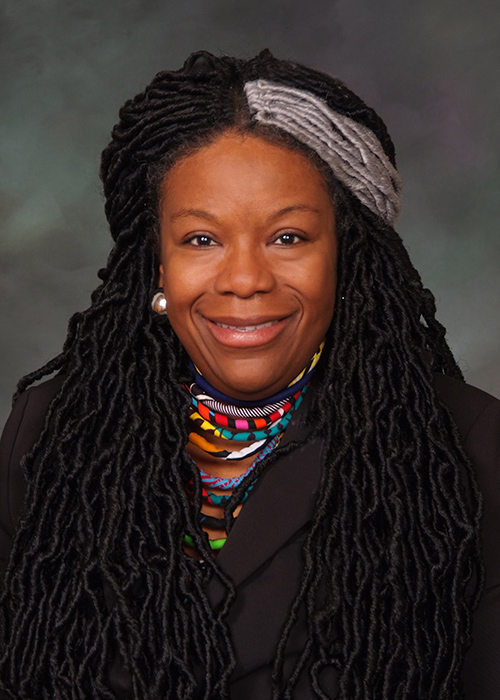
Jennifer Bacon
DDemocratic
Co

Judy Amabile
DDemocratic
Co

Julie McCluskie
DDemocratic





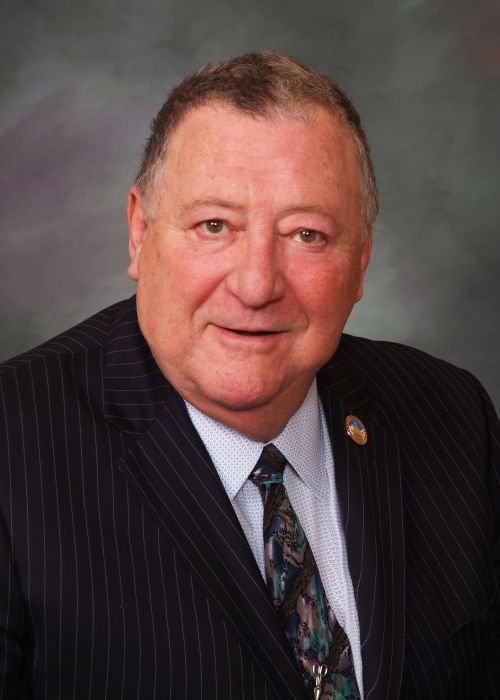

Ask Maddy
·
AI policy assistant
Ask Maddy about HB 25-1292
Scope: CO
Hi! I can help you understand HB 25-1292. What would you like to know?
Try one of these
i
Maddy answers using official bill text and legislative records. Always verify before sharing.
Sources cited inline