

Creating a Drug Donation Program
Summary
The bill creates the Colorado drug donation program (program) to facilitate the safe donation and redispensing of medicine, including prescription and nonprescription or over-the-counter drugs, FDA-approved drugs labeled for investigational use, and medical devices. Under the program, a donor donates medicine to a donation recipient for redispensing to eligible patients. Donated medicine is prioritized first for Colorado residents who are indigent, uninsured, underinsured, or enrolled in a public health benefits program (eligible patient). An eligible patient or the patient's health insurance is not charged for the medicine, other than handling or dispensing charges and other customary charges. Donors may include individual members of the public as well as drug manufacturers and distributors, pharmacies, clinics, health centers, government agencies, and other donors described in the bill (donor). Donors may donate to a donation recipient, including a wholesaler or distributor, hospital, pharmacy, clinic, and health-care provider or prescriber's office, among other entities (donation recipient). The donation recipient may: Transfer donated medicine to another donation recipient; and If the donation recipient is a prescription drug outlet, repackage donated medicine as necessary for storage, redispensing, administration, or transfer or replenish medicine previously dispensed to eligible patients. The bill includes provisions relating to: Record-keeping requirements for donated medicine; The type, condition, and age of medicine that may be donated; The segregation of medicine and inspection by a licensed pharmacist before medicine is accepted into inventory; The disposal of medicine that does not meet donation standards; and The repackaging, labeling, and redispensing of medicine to eligible patients. The state board of pharmacy is required to promulgate rules necessary to implement the program. When acting in good faith, without willful or wanton misconduct, the state board of pharmacy, donors, donation recipients, and other individuals and entities involved in the program are not subject to civil or criminal liability or professional disciplinary action relating to their participation in the program. The bill makes conforming amendments to existing law relating to the reuse of unused medications by other patients in correctional facilities and in certain licensed facilities, such as hospitals, hospices, and assisted living facilities. (Note: This summary applies to this bill as introduced.)
Bill status
in committee
1 of 4 stages cleared
Introduction
Jan 2024
Committee Review
Floor Vote
Governor
Introduced Jan 19, 2024
Last action Apr 10, 2024
Floor votes
How they voted
No floor votes recorded yet.
Full legislative history
Actions timeline
Total actions
2
Key actions
0
Committee
1
Apr 10, 2024
Committee
Senate Committee on Health & Human Services Refer Amended to Appropriations
upper
Jan 19, 2024
Introduced
Introduced In Senate - Assigned to Health & Human Services
upper
1 primary · 0 co-sponsors
Sponsors
Role
Legislator
Party
State
District
P
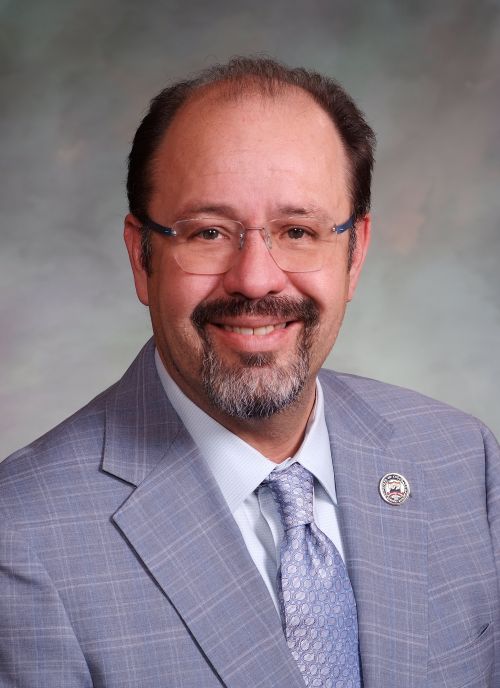
Robert Rodriguez
DDemocratic
Ask Maddy
·
AI policy assistant
Ask Maddy about SB 24-061
Scope: CO
Hi! I can help you understand SB 24-061. What would you like to know?
Try one of these
i
Maddy answers using official bill text and legislative records. Always verify before sharing.
Sources cited inline