

TABOR Refund Mechanism For FY 2021-22 Only
Summary
If the state exceeds its constitutional spending limit, then it is required by the Taxpayer's Bill of Rights (TABOR) to refund the excess state revenues (TABOR refunds). There are currently 3 TABOR refund mechanisms: Reimbursement to counties for the senior homestead exemption, a temporary income tax rate reduction, and a sales tax refund. The act establishes a temporary fourth TABOR refund mechanism for excess state revenues from all sources for state fiscal year 2021-22. Under this mechanism, if the amount of excess state revenues exceeds the projected total amount of TABOR refunds issued as reimbursement to counties for the senior homestead exemption and, if applicable, through the temporary income tax rate reduction, then on or before September 30, 2022, the department of revenue is required to issue refund checks to every qualified individual in an identical amount; except that, for qualified individuals who were granted an extension to file a state income tax return and timely file the state income tax return, the refund checks must be issued on or before January 31, 2023. The refund amount is $400 for every qualified individual who files a single income tax return or who applies for a property tax, rent, or heat credit rebate and $800 for each pair of qualified individuals who file a joint income tax return or who apply for a property tax, rent, or heat credit rebate; except that: If the anticipated aggregate amount of the refund plus the estimated amounts to be refunded through reimbursement to counties for the senior homestead exemption and the temporary income tax rate reduction is estimated to refund less than 85% of the total amount of excess state revenues, then the executive director of the department of revenue must increase the refund amount so that the aggregate amount refunded is approximately equal to 85% of the total excess state revenues inclusive of amounts to be refunded through reimbursement to counties for the senior homestead exemption and the temporary income tax rate reduction; and If the anticipated aggregate amount of the refund, plus the estimated amounts to be refunded through reimbursement to counties for the senior homestead exemption and the temporary income tax rate reduction, is estimated to refund more than 87% of the total excess state revenues, then the executive director of the department of revenue may decrease the refund, to avoid an over-refund, to an amount less than $400 for every qualified individual who files a single income tax return or who receives a property tax, rent, or heat credit rebate and $800 for each pair of qualified individuals who file a joint income tax return or who receive a property tax, rent, or heat credit rebate. Any increase or decrease to the refund amount must be rounded to the nearest fifty dollar increment and must maintain an equal temporary refund for every qualified individual that is doubled for each pair of qualified individuals filing a joint return or applying jointly for a property tax, rent, or heat credit rebate. "Qualified individual" is defined for purposes of the act as a natural person who is at least 18 years of age on or before December 31, 2021, is a Colorado resident for the entire 2021income tax year, and files a state income tax return for the 2021 income tax year or applies for a property tax, rent, or heat credit rebate. $2,578,995 is appropriated from the general fund to the department of revenue to implement the temporary TABOR refund mechanism and $1,715,635 of that appropriation is reappropriated to the department of personnel to provide related document management services for the department of revenue. (Note: This summary applies to this bill as enacted.)
Bill status
signed
all 5 stages cleared
Introduction
Apr 2022
Committee Review
May 2022
Senate Passage
May 2022
House Passage
May 2022
Signed into Law
May 2022
Introduced Apr 27, 2022
Signed May 23, 2022
Floor votes · Senate May 3, 2022 · House May 10, 2022
How they voted
23–11
Passed
Total votes 34
May 3, 2022
D
Democratic20
95% Yea
R
Republican14
71% Nay
Vote distribution
All Yea
All Nay
Mixed
No data
Full legislative history
Actions timeline
Total actions
17
Key actions
5
Committee
4
Amendments
2
May 23, 2022
Signed into law
Governor Signed
executive
May 10, 2022
Introduced
Senate Considered House Amendments - Result was to Reconsider
upper
May 10, 2022
Introduced
Senate Considered House Amendments - Result was to Concur - Repass
upper
May 10, 2022
Lower · Passed
House Third Reading Passed with Amendments - Floor
lower
May 5, 2022
Lower · Passed
House Committee on Appropriations Refer Amended to House Committee of the Whole
lower
May 5, 2022
Committee
House Committee on Finance Refer Unamended to Appropriations
lower
May 3, 2022
Introduced
Introduced In House - Assigned to Finance
lower
May 3, 2022
Upper · Passed
Senate Third Reading Passed - No Amendments
upper
May 2, 2022
Upper · Passed
Senate Committee on Appropriations Refer Amended to Senate Committee of the Whole
upper
Apr 29, 2022
Committee
Senate Committee on Finance Refer Amended to Appropriations
upper
Apr 27, 2022
Introduced
Introduced In Senate - Assigned to Finance
upper
4 primary · 0 co-sponsors
Sponsors
Role
Legislator
Party
State
District
P

Lindsey Daugherty
DDemocratic
P

Nick Hinrichsen
DDemocratic
P
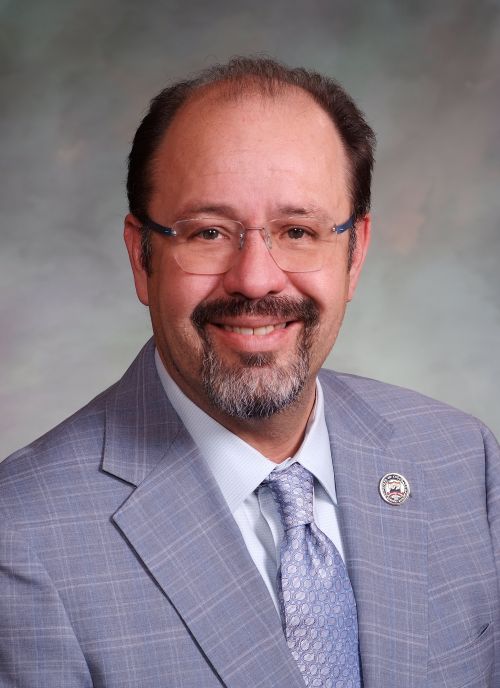
Robert Rodriguez
DDemocratic
P
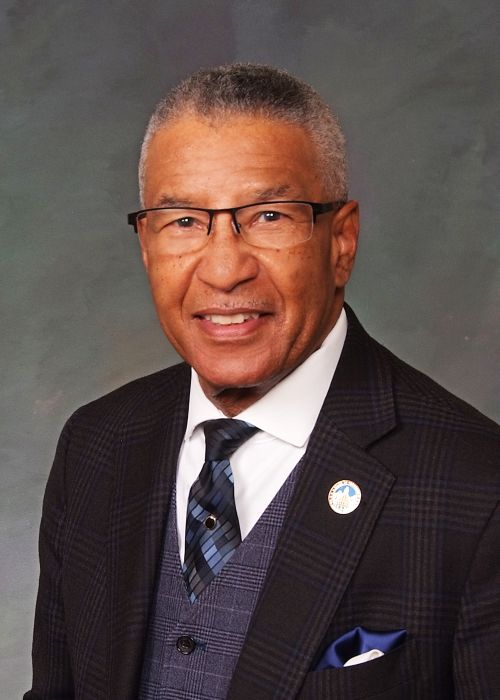
Tony Exum, Sr.
DDemocratic
Ask Maddy
·
AI policy assistant
Ask Maddy about SB 22-233
Scope: CO
Hi! I can help you understand SB 22-233. What would you like to know?
Try one of these
i
Maddy answers using official bill text and legislative records. Always verify before sharing.
Sources cited inline