

Expand Court Reminder Program
Summary
Under existing law, the court reminder program (program) provides reminders to criminal defendants and juveniles who have been alleged to have committed a delinquent act (collectively, "defendants") to appear at each of their scheduled court appearances. The act requires every defendant to be automatically enrolled in the program and allows a defendant to opt out of the program. The act clarifies that defendants alleged to have committed traffic offenses are enrolled in the program. The program must use the best contact information available to the courts and provide at least 3 reminders, including one reminder the day before the court appearance. For court appearances that can be attended virtually, the final reminder must include a link to the virtual court appearance. The program must send reminders by text message, but may use another method if a defendant is unable to receive text messages. The program is required to track the number of defendants that opt out of the program and to implement or recommend changes to improve participation. The judicial department is required to report information regarding reminders sent by methods other than text message. The act requires the state court administrator to convene a working group to study best practices in court reminders, assess the effectiveness of the program, and recommend appropriate changes to the program to the state court administrator. In its annual State Measurement for Accountable, Responsive, and Transparent (SMART) Government Act hearing, the judicial department is required to present the recommendations made by the working group, whether the recommendations were implemented, and the rationale for implementing or rejecting any recommendation. Because defendants are automatically enrolled in the program, the act repeals provisions related to notifying defendants of the opportunity to enroll in the program. The act appropriates $74,713 to the judicial department from the general fund to implement the act. (Note: This summary applies to this bill as enacted.)
Bill status
signed
all 5 stages cleared
Introduction
Jan 2022
Committee Review
Apr 2022
Senate Passage
Mar 2022
House Passage
May 2022
Signed into Law
May 2022
Introduced Jan 12, 2022
Signed May 19, 2022
Floor votes · Senate Mar 21, 2022 · House May 2, 2022
How they voted
29–3
Passed · 2 other
Total votes 34
Mar 21, 2022
D
Democratic20
95% Yea
R
Republican14
71% Yea
Vote distribution
All Yea
All Nay
Mixed
No data
Full legislative history
Actions timeline
Total actions
14
Key actions
5
Committee
4
May 19, 2022
Signed into law
Governor Signed
executive
May 2, 2022
Lower · Passed
House Third Reading Passed - No Amendments
lower
Apr 29, 2022
Lower · Passed
House Committee on Appropriations Refer Unamended to House Committee of the Whole
lower
Apr 6, 2022
Committee
House Committee on Judiciary Refer Unamended to Appropriations
lower
Mar 21, 2022
Introduced
Introduced In House - Assigned to Judiciary
lower
Mar 21, 2022
Upper · Passed
Senate Third Reading Passed - No Amendments
upper
Mar 18, 2022
Upper · Passed
Senate Committee on Appropriations Refer Amended - Consent Calendar to Senate Committee of the Whole
upper
Feb 3, 2022
Committee
Senate Committee on Judiciary Refer Amended to Appropriations
upper
Jan 12, 2022
Introduced
Introduced In Senate - Assigned to Judiciary
upper
4 primary · 0 co-sponsors
Sponsors
Role
Legislator
Party
State
District
P
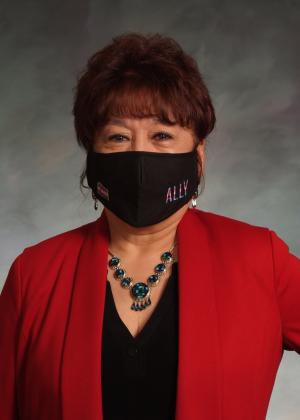
Adrienne Benavidez
DDemocratic
P

John Cooke
RRepublican
P

Matt Soper
RRepublican
P

Pete Lee
DDemocratic
Ask Maddy
·
AI policy assistant
Ask Maddy about SB 22-018
Scope: CO
Hi! I can help you understand SB 22-018. What would you like to know?
Try one of these
i
Maddy answers using official bill text and legislative records. Always verify before sharing.
Sources cited inline