

Whistleblower Protection Public Health Emergencies
Summary
The act prohibits a principal, which includes an employer, certain labor contractors, public employers, and entities that contract with 5 or more independent contractors, from discriminating, retaliating, or taking adverse action against any worker who: In good faith, raises any concern about workplace health and safety practices or hazards related to a public health emergency to the principal, the principal's agent, other workers, a government agency, or the public if the workplace health and safety practices fail to meet guidelines established by a federal, state, or local public health agency with jurisdiction over the workplace; Voluntarily wears at the worker's workplace the worker's own personal protective equipment, such as a mask, faceguard, or gloves, under specified circumstances; or Opposes a practice the worker reasonably believes is unlawful or makes a charge, testifies, assists, or participates in an investigation, proceeding, or hearing of alleged unlawful acts. Additionally, a principal is prohibited from requiring or attempting to require a worker to sign a contract or other agreement that limits or prevents the worker from disclosing information about workplace health and safety practices or hazards related to a public health emergency. A worker who knowingly discloses false information or discloses information with reckless disregard for the truth or falsity of the information is not protected under the act. A person may seek relief by: Filing a complaint with the division of labor standards and statistics (division) in the department of labor and employment; Bringing an action in district court, after exhausting administrative remedies; or Bringing a whistleblower action in the name of the state in district court, after exhausting administrative remedies. The division is authorized to adopt rules necessary to implement the act. $270,153 is appropriated to the department of labor and employment from the employment support fund, of which $206,193 is allocated for use by the division for enforcement of worker's rights related to a public health emergency, based on the assumption that the division will require an additional 2.5 FTE, and $63,960 is reappropriated to the department of law for legal services. (Note: This summary applies to this bill as enacted.)
Bill status
signed
all 5 stages cleared
Introduction
Jun 2020
Committee Review
Jun 2020
House Passage
Jun 2020
Senate Passage
Jun 2020
Signed into Law
Jul 2020
Introduced Jun 4, 2020
Signed Jul 11, 2020
Floor votes · House Jun 15, 2020
How they voted
24–10
Passed
Total votes 34
Jun 15, 2020
D
Democratic21
95% Yea
R
Republican13
69% Nay
Vote distribution
All Yea
All Nay
Mixed
No data
Full legislative history
Actions timeline
Total actions
16
Key actions
4
Committee
4
Amendments
1
Jul 11, 2020
Signed into law
Governor Signed
executive
Jun 15, 2020
House · Passed
House Vote: pass (24-10)
house
Jun 15, 2020
Introduced
House Considered Senate Amendments - Result was to Concur - Repass
lower
Jun 11, 2020
Upper · Passed
Senate Committee on Appropriations Refer Unamended to Senate Committee of the Whole
upper
Jun 10, 2020
Committee
Senate Committee on Finance Refer Amended to Appropriations
upper
Jun 9, 2020
Introduced
Introduced In Senate - Assigned to Finance
upper
Jun 8, 2020
Lower · Passed
House Committee on Appropriations Refer Amended to House Committee of the Whole
lower
Jun 6, 2020
Committee
House Committee on Finance Refer Amended to Appropriations
lower
Jun 4, 2020
Introduced
Introduced In House - Assigned to Finance
lower
4 primary · 0 co-sponsors
Sponsors
Role
Legislator
Party
State
District
P
BP
Brittany Pettersen
DDemocratic
P
LH
Leslie Herod
DDemocratic
P
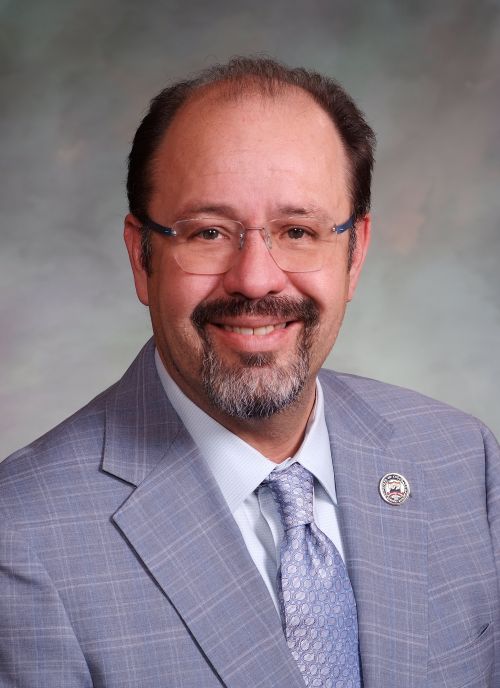
Robert Rodriguez
DDemocratic
P
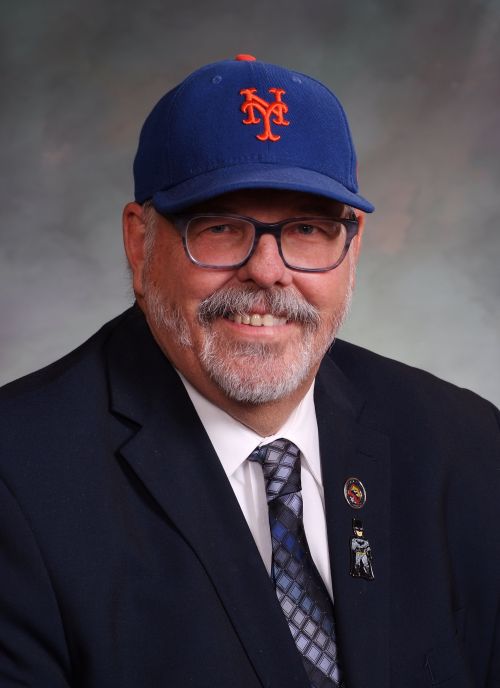
Tom Sullivan
DDemocratic
Ask Maddy
·
AI policy assistant
Ask Maddy about HB 20-1415
Scope: CO
Hi! I can help you understand HB 20-1415. What would you like to know?
Try one of these
i
Maddy answers using official bill text and legislative records. Always verify before sharing.
Sources cited inline