

Emergency Telephone Service Charges
Summary
The act amends the requirements for the imposition, collection, and uses of the emergency telephone charge imposed by local 911 governing bodies. Current law imposes a statutory cap on the amount of the emergency telephone charge that may be imposed by local governing bodies. The act allows the public utilities commission (commission) to establish the authorized threshold amount for the charge on an annual basis. A local governing body may impose the charge in an amount up to the authorized threshold. If a governing body determines it needs to impose a higher charge to fund 911 operations in its jurisdiction, it must seek the approval of the commission. The procedures for the collection and remittance of the emergency telephone charge by telecommunication service suppliers are amended. The act provides procedures for local bodies to assess overdue or unpaid remittances, imposes a time limitation for local governing bodies to do so, and creates a process for the service supplier and local governing body to extend that time period. Local governing bodies may audit the collections of service suppliers, and may impose interest and penalties on late remittances. A new 911 surcharge (surcharge) is established as a collection for local governing bodies. The amount of the surcharge is established each year by the commission based on the needs of the local governing bodies. Service suppliers must collect the surcharge from service users and remit the money to the commission. The commission is required to transmit the money collected to local governing bodies within 60 days, using a formula based on the number of concurrent sessions maintained in the governing bodies' jurisdictions. The existing "prepaid wireless E911 charge" is renamed the "prepaid wireless 911". Under current law, the amount of the charge is set in statute. The act requires the commission to establish the amount of the charge based on the average amount of the emergency telephone charges imposed by local governing bodies and the amount of the surcharge. Governing bodies may use the money collected from the 3 charges for costs associated with the lease, purchase, installation, and planning for equipment, facilities, hardware, and software used to receive and dispatch 911 calls, charges of basic emergency service providers, costs related to the provision and operation of emergency telephone service and emergency notification service, membership fees for state or national industry organizations supporting 911, and other costs directly related to the continued operation of the emergency telephone service ad emergency notification service. (Note: This summary applies to this bill as enacted.)
Bill status
signed
all 5 stages cleared
Introduction
Feb 2020
Committee Review
Jun 2020
House Passage
Jun 2020
Senate Passage
Jun 2020
Signed into Law
Jul 2020
Introduced Feb 11, 2020
Signed Jul 10, 2020
Floor votes · Senate Jun 10, 2020 · House Jun 5, 2020
How they voted
22–11
Passed · 1 other
Total votes 34
Jun 10, 2020
D
Democratic19
100% Yea
R
Republican15
73% Nay
Vote distribution
All Yea
All Nay
Mixed
No data
Full legislative history
Actions timeline
Total actions
17
Key actions
5
Committee
5
Jul 10, 2020
Signed into law
Governor Signed
executive
Jun 10, 2020
Senate · Passed
Senate Vote: pass (22-11-1)
senate
Jun 9, 2020
Upper · Passed
Senate Committee on Appropriations Refer Unamended to Senate Committee of the Whole
upper
Jun 8, 2020
Committee
Senate Committee on Finance Refer Unamended to Appropriations
upper
Jun 6, 2020
Introduced
Introduced In Senate - Assigned to Finance
upper
Jun 5, 2020
House · Passed
House Vote: pass (50-14-1)
house
Jun 3, 2020
Lower · Passed
House Committee on Appropriations Refer Amended to House Committee of the Whole
lower
Mar 12, 2020
Committee
House Committee on Finance Refer Amended to Appropriations
lower
Mar 4, 2020
Committee
House Committee on Business Affairs & Labor Refer Amended to Finance
lower
Feb 11, 2020
Introduced
Introduced In House - Assigned to Business Affairs & Labor + Finance + Appropriations
lower
4 primary · 0 co-sponsors
Sponsors
Role
Legislator
Party
State
District
P
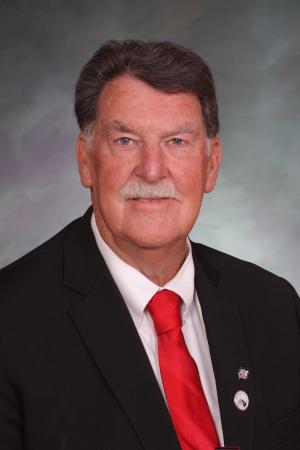
Don Coram
RRepublican
P
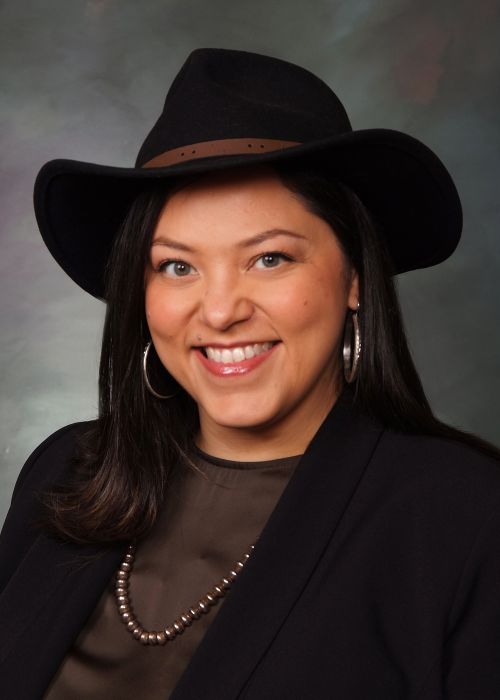
Julie Gonzales
DDemocratic
P
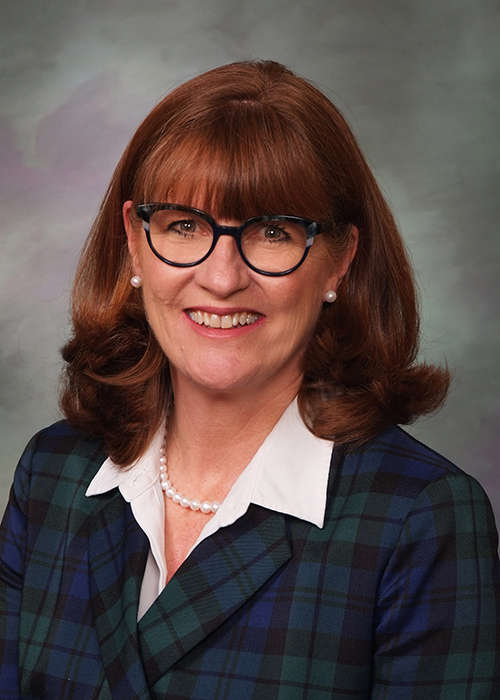
Julie McCluskie
DDemocratic
P
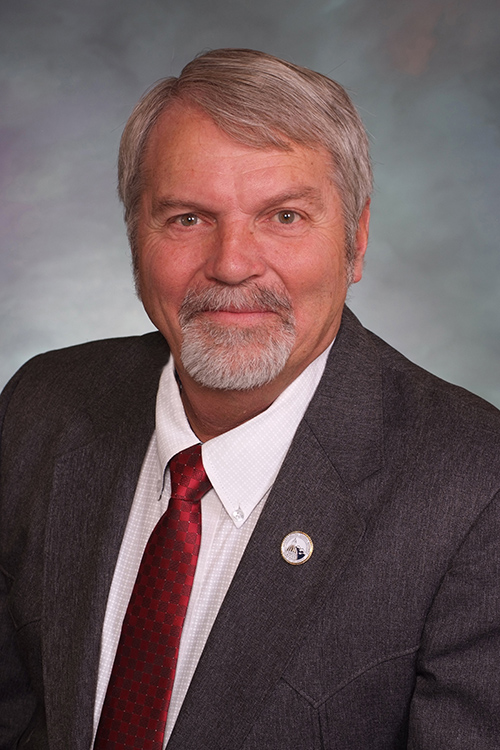
Rod Pelton
RRepublican
Ask Maddy
·
AI policy assistant
Ask Maddy about HB 20-1293
Scope: CO
Hi! I can help you understand HB 20-1293. What would you like to know?
Try one of these
i
Maddy answers using official bill text and legislative records. Always verify before sharing.
Sources cited inline