

Harm Reduction Substance Use Disorders
Summary
Substance use disorders - school districts, nonpublic schools, and specified public persons may obtain and administer opiate antagonists - definition of drug paraphernalia - hospitals as clean syringe exchange sites - opiate antagonist bulk purchase fund - household medication take-back program - identity verification for individuals initiating into treatment - appropriation. The act: Allows school districts and nonpublic schools to develop policies by which schools are authorized to obtain a supply of opiate antagonists and school employees are trained to administer opiate antagonists to individuals at risk of experiencing a drug overdose; Allows a prescriber to prescribe or dispense and a pharmacist to dispense an opiate antagonist to law enforcement agencies, schools, or specified public persons; Removes from the definition of "drug paraphernalia" equipment, products, and materials used in testing or analyzing a controlled substance; Specifies that a licensed or certified hospital may be used as a clean syringe exchange site; Creates the opiate antagonist bulk purchase fund to facilitate bulk purchasing of opiate antagonists at a discounted price; Expands the household medication take-back program in the department of public health and environment (department) for the purpose of allowing the safe collection and disposal of needles, syringes, and other devices used to inject medication; Authorizes a public person or entity that makes an automated external defibrilator available to the public to also make an opiate antagonist available to the public; and Requires the department of health care policy and financing to establish a policy on how a substance use disorder treatment program must verify the identity of individuals initiating into detoxification, withdrawal, or maintenance treatment for a substance use disorder. $659,472 is appropriated to the department to implement the act. Specified provisions of the act are contingent upon House Bill 19-1172 becoming law. (Note: This summary applies to this bill as enacted.) Read More
Bill status
signed
all 5 stages cleared
Introduction
Apr 2019
Committee Review
Apr 2019
Senate Passage
Apr 2019
House Passage
Apr 2019
Signed into Law
May 2019
Introduced Apr 1, 2019
Signed May 23, 2019
Floor votes · Senate Apr 30, 2019 · House Apr 30, 2019
How they voted
27–7
Passed
Total votes 34
Apr 30, 2019
D
Democratic19
100% Yea
R
Republican15
53% Yea
Vote distribution
All Yea
All Nay
Mixed
No data
Full legislative history
Actions timeline
Total actions
16
Key actions
5
Committee
5
May 23, 2019
Signed into law
Governor Signed
executive
Apr 30, 2019
Senate · Passed
Senate Vote: pass (27-7)
senate
Apr 30, 2019
Lower · Passed
House Third Reading Passed - No Amendments
lower
Apr 29, 2019
Committee
House Committee on Appropriations Refer Unamended to House Committee of the Whole
lower
Apr 26, 2019
Committee
House Committee on Finance Refer Unamended to Appropriations
lower
Apr 24, 2019
Introduced
Introduced In House - Assigned to Finance
lower
Apr 24, 2019
Upper · Passed
Senate Third Reading Passed - No Amendments
upper
Apr 19, 2019
Upper · Passed
Senate Committee on Appropriations Refer Amended - Consent Calendar to Senate Committee of the Whole
upper
Apr 16, 2019
Committee
Senate Committee on Finance Refer Unamended to Appropriations
upper
Apr 11, 2019
Committee
Senate Committee on Health & Human Services Refer Amended to Finance
upper
Apr 1, 2019
Introduced
Introduced In Senate - Assigned to Health & Human Services
upper
4 primary · 0 co-sponsors
Sponsors
Role
Legislator
Party
State
District
P
BP
Brittany Pettersen
DDemocratic
P
CK
Chris Kennedy
DDemocratic
P
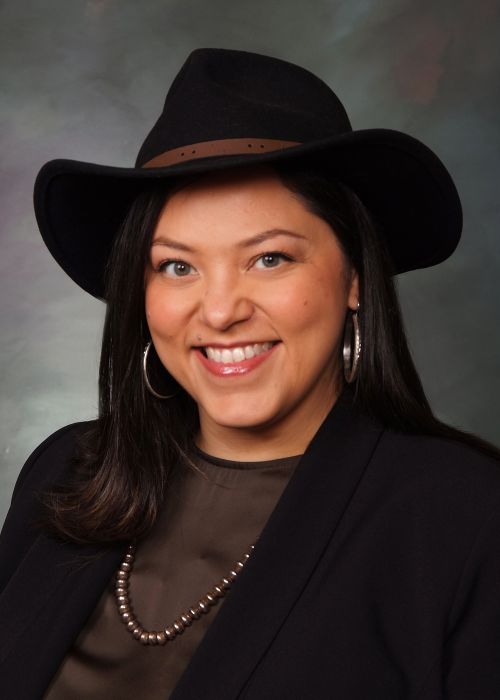
Julie Gonzales
DDemocratic
P
LH
Leslie Herod
DDemocratic
Ask Maddy
·
AI policy assistant
Ask Maddy about SB 19-227
Scope: CO
Hi! I can help you understand SB 19-227. What would you like to know?
Try one of these
i
Maddy answers using official bill text and legislative records. Always verify before sharing.
Sources cited inline