

Census Outreach Grant Program
Summary
Census outreach grant program - department of local affairs - division of local government - appropriation. The 2020 census outreach grant program (grant program) is created in the division of local government (division) in the department of local affairs (department) to provide grants to local governments, intergovernmental agencies, councils of government, housing authorities, school districts, nonprofit organizations, the Southern Ute Indian Tribe, and the Ute Mountain Ute Tribe (eligible recipients) to support the accurate counting of the population of the state for the 2020 census. The department, in coordination with the grant program committee (committee), which is also created in the division, is required to implement and administer the grant program and to develop policies and procedures necessary for such implementation and administration. The committee consists of 5 members, one of whom is appointed by the secretary of state and 4 of whom are appointed, one each, by the speaker of the house of representatives, the president of the senate, and the minority leaders of the house of representatives and the senate, although such appointees may not be members of the general assembly. Eligible recipients may use grant money to conduct 2020 census outreach, promotion, and education to focus on hard-to-count communities in the state and to increase the self-response rate and accuracy of the 2020 census. Eligible recipients may also use grant money to further award grants to other local governments, intergovernmental agencies, councils of government, housing authorities, school districts, or nonprofit organizations. To receive a grant, an eligible recipient must submit an application to the department in accordance with the policies and procedures developed by the department. The committee is required to review the applications received and to make recommendations to the department regarding which grant applications to approve. In developing its recommendations, the committee is required to consider whether the eligible recipient will be conducting outreach in hard-to-count communities and the size and geographic and demographic diversity of the hard-to-count communities in which outreach, education, and promotion of the 2020 census will occur as provided by all eligible recipients that receive grant money. The department is required to award grants for the purposes of the grant program on or before November 1, 2019, and to distribute the grant money to eligible recipients that were awarded grants within 30 days after the grants are awarded. In addition to money appropriated by the general assembly, the department may solicit, accept, and expend gifts, grants, or donations from private or public sources for the purposes of the grant program. Each eligible recipient that received a grant through the grant program is required to submit 2 reports to the department including information to be determined by the department. The department is required to submit 2 reports to the local government committees of the senate and the house of representatives, or any successor committees, and to the governor regarding the census outreach conducted through the grant program. On or before May 1, 2026, and on or before May 1 every 10 years thereafter, the department and the office of the governor are required to develop a strategic action plan, including a discussion of necessary funding for the plan, for outreach and promotion for a successful count of the population in Colorado during the upcoming decennial census. For the 2019-20 state fiscal year, $6 million from the general fund is appropriated to the department for use by the division for the direct and indirect costs of administering the grant program. (Note: This summary applies to this bill as enacted.) Read More
Bill status
signed
all 5 stages cleared
Introduction
Mar 2019
Committee Review
Apr 2019
House Passage
Apr 2019
Senate Passage
Apr 2019
Signed into Law
May 2019
Introduced Mar 12, 2019
Signed May 23, 2019
Floor votes · Senate Apr 29, 2019 · House Apr 29, 2019
How they voted
19–14
Passed · 1 other
Total votes 34
Apr 29, 2019
D
Democratic19
100% Yea
R
Republican15
93% Nay
Vote distribution
All Yea
All Nay
Mixed
No data
Full legislative history
Actions timeline
Total actions
17
Key actions
5
Committee
4
Amendments
1
May 23, 2019
Signed into law
Governor Signed
executive
Apr 29, 2019
Senate · Passed
Senate Vote: pass (19-14-1)
senate
Apr 29, 2019
House · Passed
House Vote: pass (63-0-2)
house
Apr 29, 2019
Introduced
House Considered Senate Amendments - Result was to Concur - Repass
lower
Apr 27, 2019
Upper · Passed
Senate Third Reading Passed - No Amendments
upper
Apr 24, 2019
Committee
Senate Committee on Appropriations Refer Unamended to Senate Committee of the Whole
upper
Apr 22, 2019
Committee
Senate Committee on State, Veterans, & Military Affairs Refer Unamended to Appropriations
upper
Apr 12, 2019
Introduced
Introduced In Senate - Assigned to State, Veterans, & Military Affairs
upper
Apr 11, 2019
Lower · Passed
House Third Reading Passed - No Amendments
lower
Apr 9, 2019
Committee
House Committee on Appropriations Refer Amended to House Committee of the Whole
lower
Mar 26, 2019
Committee
House Committee on State, Veterans, & Military Affairs Refer Amended to Appropriations
lower
Mar 12, 2019
Introduced
Introduced In House - Assigned to State, Veterans, & Military Affairs
lower
4 primary · 0 co-sponsors
Sponsors
Role
Legislator
Party
State
District
P
FW
Faith Winter
DDemocratic
P
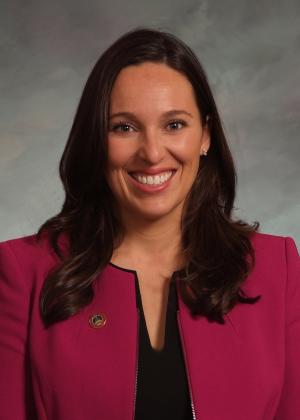
Kerry Tipper
DDemocratic
P
KP
Kevin Priola
DDemocratic
P
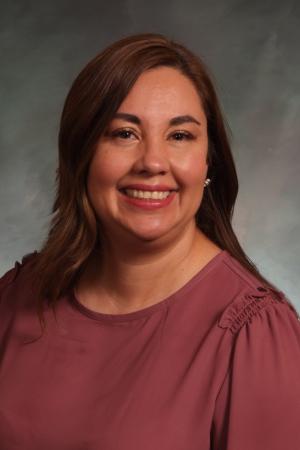
Yadira Caraveo
DDemocratic
Ask Maddy
·
AI policy assistant
Ask Maddy about HB 19-1239
Scope: CO
Hi! I can help you understand HB 19-1239. What would you like to know?
Try one of these
i
Maddy answers using official bill text and legislative records. Always verify before sharing.
Sources cited inline