

Early Childhood Development Special District
Summary
Early childhood development service districts - creation - powers and duties. The act authorizes the creation of early childhood development service districts (districts) to provide services for children from birth through 8 years of age. Early childhood development services are defined to include early care and educational, health, mental health, and developmental services, including prevention and intervention. Districts are authorized to seek voter approval to levy property taxes and sales and use taxes in the district to generate revenues to provide early childhood development services. The district must be organized pursuant to the "Special District Act" as modified by the act. All eligible electors in the proposed district, rather than only property owners, are able to vote on the organization of the district and related ballot issues. The service plan for a proposed district is not required to be submitted to the planning commission for each county in which the special district is proposed to be located, and instead is submitted directly to the board of county commissioners (board) for such counties. In addition, the board is not allowed accept or act upon the request of a person owning property in the proposed service area to have his or her property excluded from the special district. The court conducting a hearing for the petition is also directed to not accept or act upon such a petition to exclude property from the district. The districts are governed by the "Special District Act"; except that they are not subject to provisions concerning the inclusion or exclusion of property, procedures for the levy and collection of taxes, the certification and notice of special district taxes for general obligation indebtedness, property tax reduction agreements, and public improvement contracts. A district is authorized to contract with or work with another district or other provider of early childhood development services to provide services throughout the district. (Note: This summary applies to this bill as enacted.) Read More
Bill status
signed
all 5 stages cleared
Introduction
Jan 2019
Committee Review
Mar 2019
House Passage
Feb 2019
Senate Passage
Mar 2019
Signed into Law
Apr 2019
Introduced Jan 4, 2019
Signed Apr 3, 2019
Floor votes · Senate Mar 20, 2019
How they voted
25–8
Passed
Total votes 33
Mar 20, 2019
D
Democratic21
100% Yea
R
Republican12
66% Nay
Vote distribution
All Yea
All Nay
Mixed
No data
Full legislative history
Actions timeline
Total actions
13
Key actions
4
Committee
2
Apr 3, 2019
Signed into law
Governor Signed
executive
Mar 20, 2019
Upper · Passed
Senate Third Reading Passed - No Amendments
upper
Mar 14, 2019
Upper · Passed
Senate Committee on Local Government Refer Unamended - Consent Calendar to Senate Committee of the Whole
upper
Feb 27, 2019
Introduced
Introduced In Senate - Assigned to Local Government
upper
Feb 26, 2019
Lower · Passed
House Third Reading Passed - No Amendments
lower
Feb 19, 2019
Committee
House Committee on Transportation & Local Government Refer Amended to House Committee of the Whole
lower
Jan 4, 2019
Introduced
Introduced In House - Assigned to Transportation & Local Government
lower
4 primary · 0 co-sponsors
Sponsors
Role
Legislator
Party
State
District
P

Bob Rankin
RRepublican
P
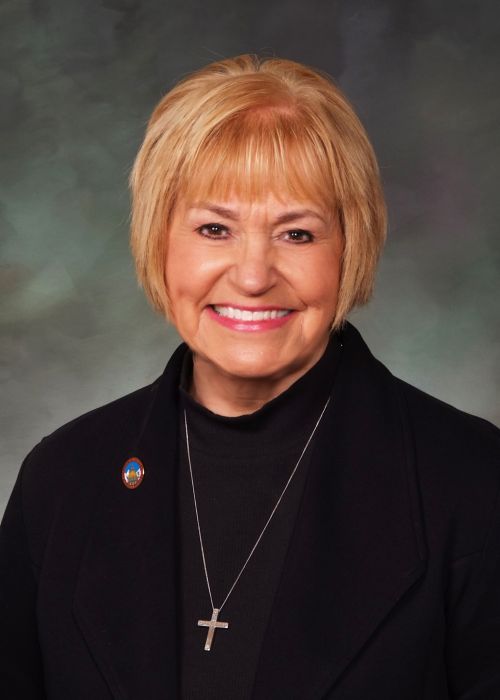
Janice Rich
RRepublican
P

Jeff Bridges
DDemocratic
P

Julie McCluskie
DDemocratic
Ask Maddy
·
AI policy assistant
Ask Maddy about HB 19-1052
Scope: CO
Hi! I can help you understand HB 19-1052. What would you like to know?
Try one of these
i
Maddy answers using official bill text and legislative records. Always verify before sharing.
Sources cited inline