

Permissive Medical Marijuana Vertical Integration
Summary
Under current law, a medical marijuana center must source 70% of the medical marijuana it sells from its associated optional premises cultivation facility. Similarly, an optional premises cultivation facility must have 70% of the medical marijuana it cultivates sold through its associated medical marijuana center. The bill eliminates that requirement and allows medical marijuana centers to source medical marijuana from any optional premises cultivation facility. The bill creates a transition period between the current limited sourcing model that begins July 1, 2018. For one year from that date, medical marijuana centers and optional premises cultivation facilities can purchase and sell 50% of their inventory as a wholesale transaction, and medical marijuana trim is not included in the calculation of the percentage. Then, on or after July 1, 2019, an optional premises cultivation facility may sell any amount of the medical marijuana it cultivates to any medical marijuana center. Similarly, a medical marijuana center may source its medical marijuana from any optional premises cultivation facility without restriction. Additionally, the state licensing authority shall adopt a production management system similar to the system in the retail marijuana code. The bill allows a medical marijuana center to sell medical marijuana acquired from an optional premises cultivation facility licensee or medical marijuana-infused products manufacturer licensee. A medical marijuana center can sell more than 2 ounces to a patient if that patient has a recommended extended ounce count from his or her physician and registers with the medical marijuana center as his or her primary center. The patient also has to sign an affidavit that he or she does not have a primary caregiver cultivating medical marijuana on his or her behalf. The bill makes conforming amendments. (Note: This summary applies to the reengrossed version of this bill as introduced in the second house.) , Read More
Bill status
signed
all 5 stages cleared
Introduction
Apr 2018
Committee Review
Apr 2018
House Passage
Apr 2018
Senate Passage
Apr 2018
Signed into Law
May 2018
Introduced Apr 11, 2018
Signed May 29, 2018
Floor votes · Senate Apr 27, 2018
How they voted
35–15
Passed · 3 other
Total votes 53
Apr 27, 2018
D
Democratic29
86% Yea
R
Republican24
54% Nay
Vote distribution
All Yea
All Nay
Mixed
No data
Full legislative history
Actions timeline
Total actions
13
Key actions
3
Committee
2
May 29, 2018
Signed into law
Governor Signed
executive
Apr 27, 2018
Senate · Passed
Senate Vote: pass (35-15-3)
senate
Apr 24, 2018
Upper · Passed
Senate Committee on Finance Refer Unamended - Consent Calendar to Senate Committee of the Whole
upper
Apr 23, 2018
Introduced
Introduced In Senate - Assigned to Finance
upper
Apr 16, 2018
Committee
House Committee on Finance Refer Unamended to House Committee of the Whole
lower
Apr 11, 2018
Introduced
Introduced In House - Assigned to Finance
lower
3 primary · 0 co-sponsors
Sponsors
Role
Legislator
Party
State
District
P
KV
Kevin Van Winkle
RRepublican
P

Matt Gray
DDemocratic
P
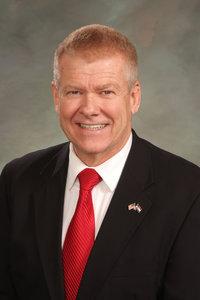
Tim Neville
RRepublican
Ask Maddy
·
AI policy assistant
Ask Maddy about HB 18-1381
Scope: CO
Hi! I can help you understand HB 18-1381. What would you like to know?
Try one of these
i
Maddy answers using official bill text and legislative records. Always verify before sharing.
Sources cited inline