

Strengthen Colorado Behavioral Health Crisis System
Summary
The bill clarifies the intent of the general assembly for establishing a coordinated behavioral health crisis response system (crisis system). The crisis system is intended to be a comprehensive, appropriate, and preferred response to behavioral health crises in Colorado. By clarifying the role of the crisis system and making necessary enhancements, the bill puts systems in place to help Colorado end the use of jails and correctional facilities as placement options for individuals placed on emergency mental health holds if they have not also been charged with a crime and enhances the ability of emergency departments to serve individuals who are experiencing a behavioral health crisis. The crisis system is intended to provide an appropriate first line of response to individuals in need of an emergency 72-hour mental health hold. The statewide framework created by the crisis system strengthens community partnerships and ensures that first responders are equipped with a variety of options for addressing behavioral health crises that meet the needs of the individual in a clinically appropriate setting. The bill expands and strengthens the current crisis system in the following ways: Encourages crisis system contractors in each region to develop partnerships with the broad array of crisis intervention services in the region; Requires crisis system contractors to be responsible for community engagement, coordination, and system navigation for key partners in the crisis system. The goals of community coordination are to formalize key relationships within contractually defined regions, pursue collaborative programming for behavioral health services, and coordinate interventions as necessary with behavioral health crises in the region. Increases the ability of all crisis services facilities, including walk-in centers, acute treatment units, and crisis stabilization units within the crisis system, regardless of facility licensure, to adequately care for an individual brought to the facility in need of an emergency 72-hour mental health hold; Expands the ability of mobile response units to be available within 2 hours, either face-to-face or using telehealth operations for mobile crisis evaluations; Recognizes the obligations of hospitals and hospital-based emergency departments under federal law to screen and stabilize every patient who comes to the hospital-based emergency department, including those patients experiencing a behavioral health crisis; and Requires that, on or before January 1, 2018, all walk-in centers throughout the state be appropriately designated, adequately prepared, and properly staffed to accept an individual in need of an emergency 72-hour mental health hold. The department of human services (department) shall ensure consistent training for professionals who have regular contact with individuals who are experiencing a behavioral health crisis. The department shall conduct a needs and capacity assessment of the crisis system. The office of behavioral health is required to submit a report on or before November 1, 2017, and on or before May 1, 2018, concerning the status of funding, the use of new and existing resources, and the implementation of additional behavioral health crisis services. This report is separate and in addition to the information the department is required to provide concerning the crisis system in its annual SMART report to the general assembly. The bill removes language from statute that allows, at any time for any reason, an individual who is being held on an emergency 72-hour mental health hold to be detained or housed in a jail, lockup, or other place used for the confinement of persons charged with or convicted of criminal offenses. The effective date of this component of the bill is May 1, 2018. The bill requires annual reports to the department by each emergency services facility that has treated a person pursuant to an emergency 72-hour mental health hold. The reports must only include aggregate and nonidentifying information. The reports must include information on the names and counties of involved facilities; the total number of persons treated at the facility; a summary regarding the different reasons for which persons were treated at the facility; and a summary of the disposition of the persons transferred to a designated mental health facility. An appropriation from the marijuana tax cash fund is authorized. (Note: This summary applies to the reengrossed version of this bill as introduced in the second house.)
Bill status
signed
all 5 stages cleared
Introduction
Mar 2017
Committee Review
May 2017
Senate Passage
May 2017
House Passage
May 2017
Signed into Law
May 2017
Introduced Mar 3, 2017
Signed May 18, 2017
Floor votes
How they voted
No floor votes recorded yet.
Full legislative history
Actions timeline
Total actions
15
Key actions
2
Committee
4
Amendments
1
May 18, 2017
Signed into law
Governor Signed
executive
May 9, 2017
Introduced
Senate Considered House Amendments - Result was to Concur - Repass
legislature
May 5, 2017
Committee
House Committee on Appropriations Refer Unamended to House Committee of the Whole
legislature
May 4, 2017
Committee
House Committee on Judiciary Refer Amended to Appropriations
legislature
May 3, 2017
Introduced
Introduced In House - Assigned to Judiciary + Appropriations
legislature
May 2, 2017
Legislature · Passed
Senate Committee on Appropriations Refer Amended - Consent Calendar to Senate Committee of the Whole
legislature
Mar 22, 2017
Committee
Senate Committee on Judiciary Refer Amended to Appropriations
legislature
Mar 3, 2017
Introduced
Introduced In Senate - Assigned to Judiciary
legislature
4 primary · 0 co-sponsors
Sponsors
Role
Legislator
Party
State
District
P
DK
Daniel Kagan
DDemocratic
P

John Cooke
RRepublican
P
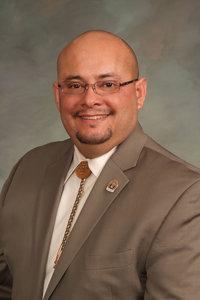
Joseph Salazar
DDemocratic
P

Lang Sias
RRepublican
Ask Maddy
·
AI policy assistant
Ask Maddy about SB 17-207
Scope: CO
Hi! I can help you understand SB 17-207. What would you like to know?
Try one of these
i
Maddy answers using official bill text and legislative records. Always verify before sharing.
Sources cited inline