

computer-generated pictorial representations; unlawful disclosure
Arizona's SB 1462 amends state law to clarify that computer-generated images (like AI-created photos or videos that appear realistic) are excluded from the "unlawful disclosure" provisions. This means distributing AI-generated images depicting nudity or sexual activity generally does not violate the law, unless the image was created for public interest purposes like news, science, or education. The bill specifically defines "computer-generated pictorial representation" to cover AI-made images that reasonably appear real, while maintaining penalties for disclosing real images without consent. It directly affects creators, distributors, and platforms handling AI-generated visual content.
Bill status
signed
all 5 stages cleared
Introduction
Feb 2025
Committee Review
Mar 2025
Senate Passage
Apr 2025
House Passage
Apr 2025
Signed into Law
May 2025
Introduced Feb 4, 2025
Signed May 2, 2025
Maddy AI version diff · 3 comparisons
What changed between versions
Senate Engrossed Version
→
Chaptered Version
·
5 edits
MODERATE
The bill was finalized and approved by the Governor, changing the status from a Senate draft to an enacted Chapter. Substantive changes include redefining 'realistic pictorial representation' to explicitly cover images created to look like actual nudity or sexual acts that did not occur, and clarifying that privacy rights apply even if an image is sent electronically unless the person created the fake image themselves.
Scope change
The bill's scope was expanded to explicitly include 'realistic pictorial representations' (deepfakes) as images protected under the privacy statute, whereas the previous version focused primarily on computer-generated images.
DEFINITION
The definition of 'image' was updated to include 'realistic pictorial representation' alongside traditional photos and videos.
A new definition for 'realistic pictorial representation' was added, specifically covering images created to reasonably appear to be actual nudity or sexual activities that did not actually occur.
New definitions were added for 'disclose' and 'disclosed by electronic means' to clarify distribution methods.
ELIGIBILITY
The privacy exception was modified to state that sending an image electronically does not remove privacy rights unless the depicted person created or modified the realistic pictorial representation.
TIMELINE
The bill was formally enacted with an approval date of May 2, 2025, and filed with the Secretary of State.
Floor votes · Senate Mar 13, 2025 · House Apr 17, 2025
How they voted
28–0
Passed · 2 other
Total votes 30
Mar 13, 2025
D
Democratic13
84% Yea
R
Republican17
100% Yea
Vote distribution
All Yea
All Nay
Mixed
No data
Full legislative history
Actions timeline
Total actions
16
Key actions
8
Committee
1
Amendments
3
May 2, 2025
Signed into law
Signed by Governor
executive
Apr 29, 2025
Upper · Passed
PASSED
upper
Apr 17, 2025
Lower · Passed
PASSED
lower
Apr 15, 2025
Lower · Passed
DPA
lower
Mar 26, 2025
Lower · Passed
DP
lower
Mar 13, 2025
Upper · Passed
PASSED
upper
Mar 6, 2025
Upper · Passed
DPA
upper
Feb 12, 2025
Upper · Passed
DPA
upper
1 primary · 0 co-sponsors
Sponsors
Role
Legislator
Party
State
District
P
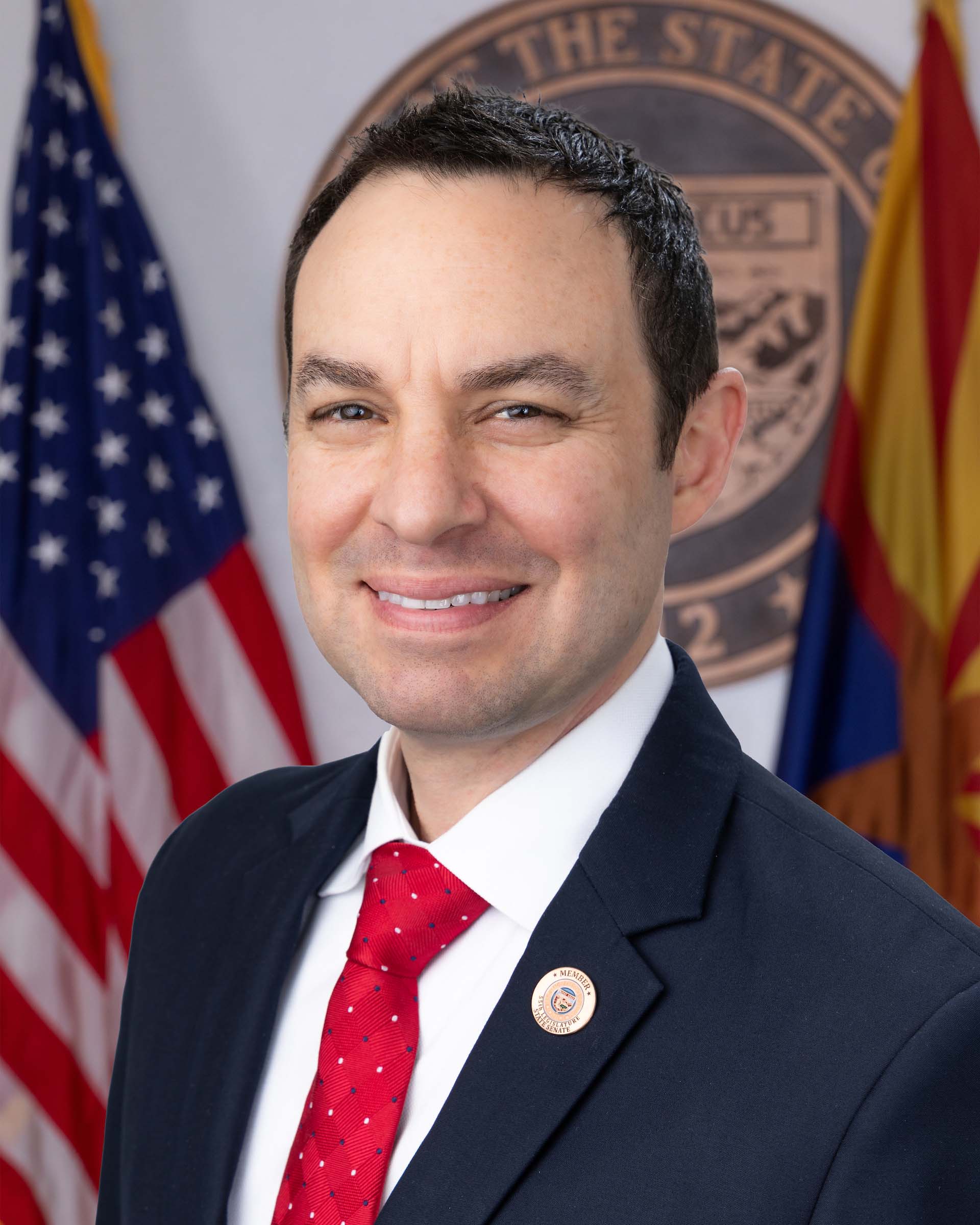
J.D. Mesnard
RRepublican
Ask Maddy
·
AI policy assistant
Ask Maddy about SB 1462
Scope: AZ
Hi! I can help you understand SB 1462. What would you like to know?
Try one of these
i
Maddy answers using official bill text and legislative records. Always verify before sharing.
Sources cited inline