

Maddy summaryHB 173 implements Alaska’s participation in the Occupational Therapy Licensure Compact, allowing licensed occupational therapists and assistants to practice across state lines without obtaining separate licenses in each state. The bill amends Alaska law to adopt the compact, which requires states to recognize licenses from other participating states while maintaining local regulatory authority. This directly affects licensed occupational therapists, assistants, and patients seeking services in multiple states, particularly those living near state borders. The compact aims to improve public access to occupational therapy services by simplifying cross-state practice under existing licensure standards.

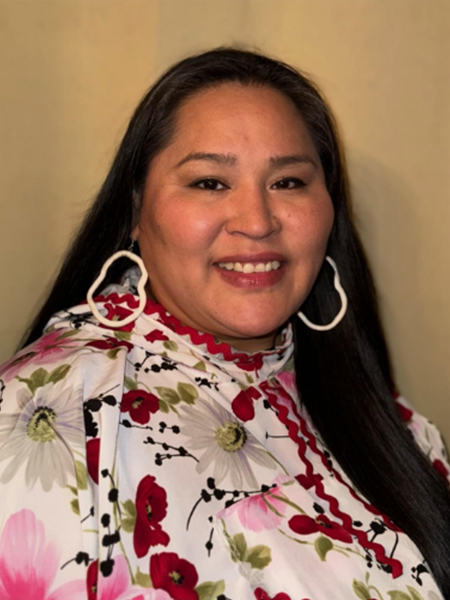
Rep. Nellie Jimmie
Sponsored bills
Maddy summaryHB 36 amends Alaska law to allow minors aged 16 or older in foster care to consent to up to five outpatient mental health sessions without parental permission. After five sessions, mental health providers must obtain parental consent for medication or continued treatment. The bill also establishes documentation standards for homeless minors (16+ years) to self-certify eligibility for consent, requiring verification from specific officials or professionals. It directly affects youth in Alaska’s child welfare system receiving mental health services, particularly those in foster care or experiencing homelessness.
Maddy summaryHB 25 bans polystyrene foam (Styrofoam) containers for prepared food in restaurants and prohibits state agencies from purchasing such items. It requires restaurants to use biodegradable or compostable alternatives instead, with exemptions available if affordable alternatives are unavailable or if compliance would cause undue hardship. Exceptions include food prepared outside Alaska, reusable coolers, and disaster emergencies. The law takes effect January 1, 2026, and defines key terms like "disposable food service ware" and "biodegradable" to clarify coverage. This directly affects restaurants, food vendors, and state purchasing decisions.
Maddy summaryHB 39 requires Alaska public school districts to provide parents of deaf or hard of hearing students with unbiased information about hearing technology, communication methods (like sign language or spoken language), and support services. It mandates that districts allow parents to choose the communication method for their child and deliver services using that method through trained professionals. The bill also requires the state to support programs for deaf students, including residential options, and sets procedures for school districts operating these programs while maintaining special education responsibilities.
Maddy summaryHB 126 allows Native village corporations that were involuntarily dissolved under Alaska law to apply for reinstatement by December 31, 2026, if they missed the original reinstatement deadline. Once reinstated, these corporations and their shareholders regain all legal rights, obligations, and privileges as if dissolution never occurred, with actions taken during dissolution treated as valid. The bill also permits a corporation's board of directors to change its name (if the previous name is unavailable) without following standard corporate amendment procedures. This applies only to Native village corporations, not religious or nonprofit entities as referenced in the title but not detailed in the bill text.
Maddy summaryHB 96 establishes a Home Care Employment Standards Advisory Board within Alaska's Department of Health. The board, composed of 10 members representing home care providers, direct care workers, home care recipients, rate reviewers, seniors, and disability advocates, will advise on payment rates for home care services and investigate workforce conditions like wages and benefits. It requires the board to meet at least three times yearly, include public testimony, and focus on ensuring payment rates meet federal requirements and support a stable workforce. The bill directly affects home care workers, providers, and recipients of home care services in Alaska by creating a structured process to address payment adequacy and working conditions.
Maddy summaryHB 133 requires Alaska state agencies to pay contractors within 30 days of receiving a compliant payment request for contracts under the State Procurement Code. For grants and reimbursement agreements to nonprofits, municipalities, and Alaska Native organizations, it sets a 30-day payment deadline (21 days if federal funds are used) after a compliant request is submitted. If payments are delayed, agencies must pay interest starting on the 31st day for contracts or the 21st/30th day for grants. Agencies must also provide written notice within eight working days if withholding payment, detailing the reason and required corrections to resolve the issue.
Maddy summaryHB 52 ensures minors receiving inpatient mental health treatment at psychiatric hospitals in Alaska have the right to weekly confidential communication (via phone or video) with parents, legal guardians, or an approved adult, unless prohibited by law or deemed unadvisable by a physician. The bill requires psychiatric hospitals to report all uses of seclusion or restraint to the Department of Health and parents within one business day, and mandates biannual unannounced inspections of hospitals treating minors, including interviews with at least 50% of minor patients. It also requires the Department of Health to publish an annual report detailing seclusion/restraint usage, inspection findings, and data on minors in care, with the report due by November 1 each year. These provisions take effect on July 1, 2025.
Maddy summaryHB 48 updates funding rules for Alaska's civil legal services fund, which provides legal aid to low-income residents. The bill limits annual appropriations to funds from the general state budget and up to 10% of court filing fees collected in the previous fiscal year (reducing the prior cap from 25%). It specifies that funds must support organizations serving individuals with incomes at or below 125% of the federal poverty level. The bill clarifies the fund remains part of the general state budget, not a dedicated account, and does not create new funding sources.
Maddy summaryHB 138 creates a $0.98 monthly surcharge on all wireless phone numbers and landline telephone access lines in Alaska. Phone companies must collect this fee separately from regular bills and send the funds to a new "behavioral health crisis services fund" within 60 days. The money in this fund will be used to support Alaska's 988 mental health crisis hotline system, including staffing, technology, and infrastructure improvements. This surcharge applies to every residential and business phone service in the state, with specific rules to prevent double-charging for multiple lines.